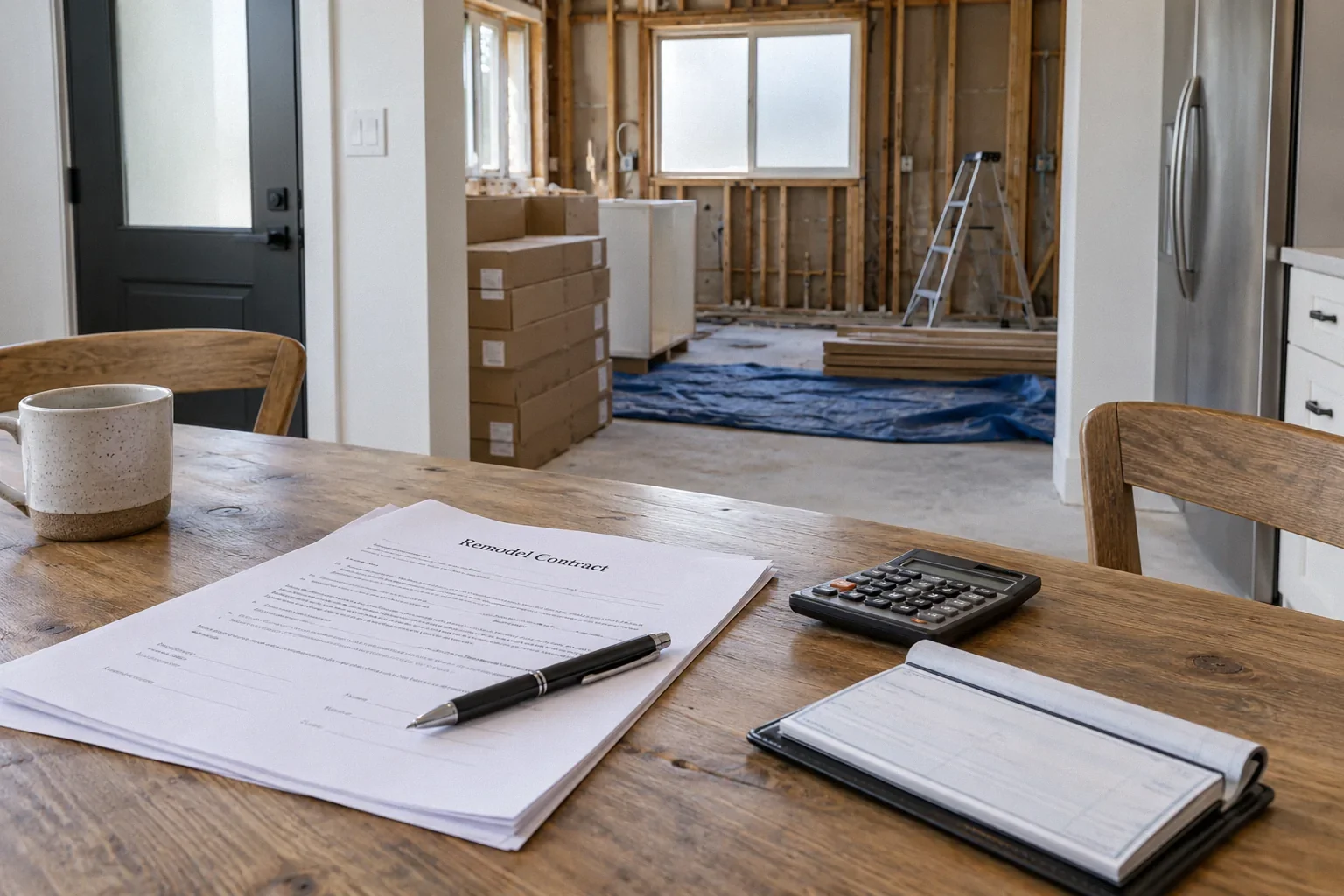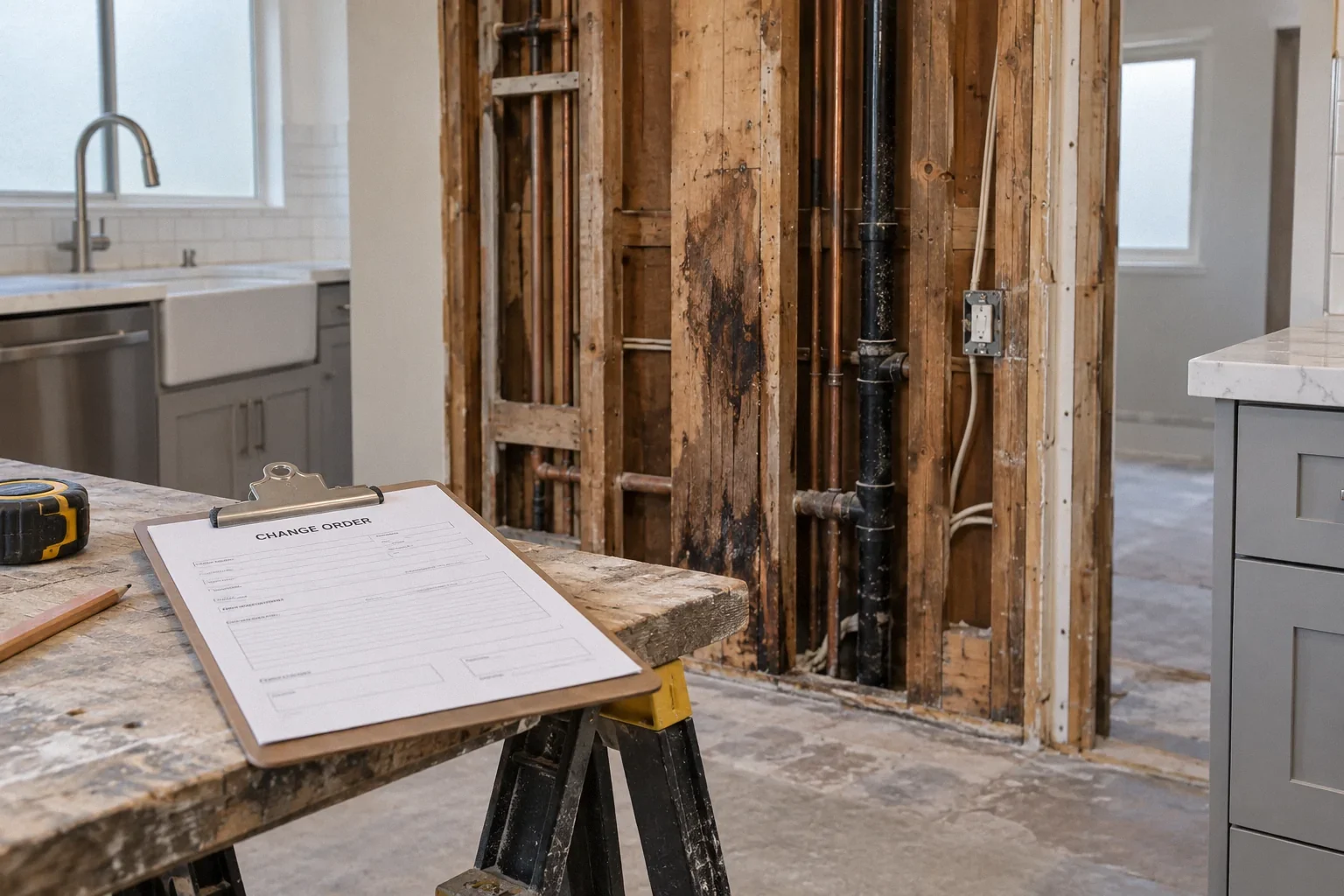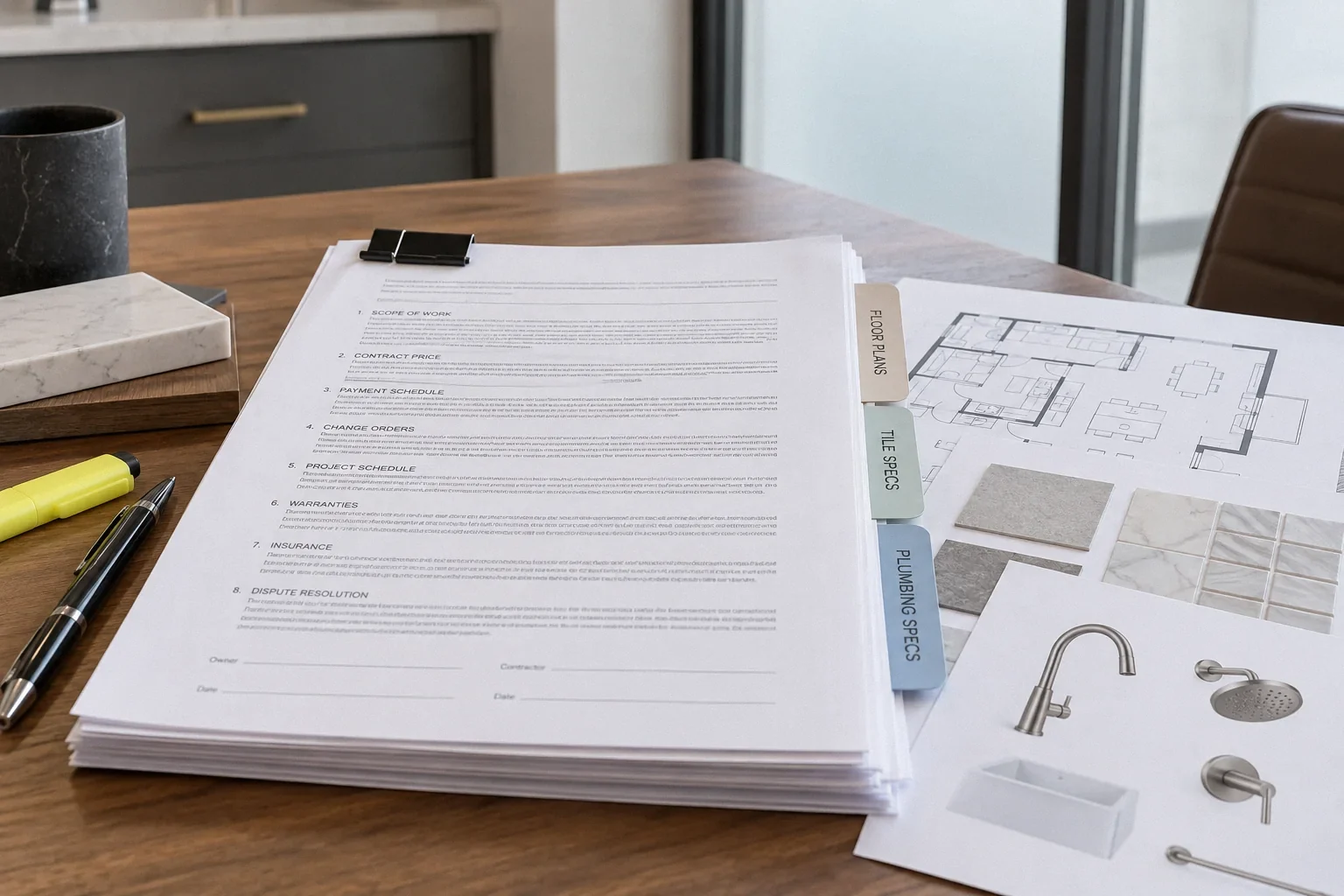
Short answer: California homeowners have two separate routes for seeking help. A CSLB complaint asks the Contractors State License Board to look at possible violations of the contractor license law. CSLB may mediate, refer the dispute to arbitration, or discipline the license, but CSLB says plainly that its investigations are not designed to obtain restitution. A bond claim goes to the surety company that wrote the contractor's $25,000 license bond. You file it with the surety, not with CSLB. You can pursue both, and either can sit alongside small claims or a lawsuit. The table below shows which route fits which goal.
This is general information current to 3 October 2026, not legal advice.
A real-world tangle
An owner in the Sacramento area described buying a house with recently completed work that the contractor would not fix under its 'warranty'. They filed a CSLB complaint, but said the investigator told them that because they did not hold the contract, CSLB might not be able to help, and encouraged a claim against the contractor's bond instead. Another commenter summed up an owner's practical options as reviews, a bond claim, a state complaint and small claims. This is one anecdotal account, not a statement of CSLB policy. It shows why it helps to understand how the routes differ before you start.
The routes side by side
| Route | Run by | What it can do | Limits |
|---|---|---|---|
| CSLB complaint | Contractors State License Board | Intake and possible mediation; arbitration referral; investigation; citations with civil penalties of up to $30,000 and orders to correct or pay; other discipline | CSLB states it cannot guarantee you will get money back; jurisdiction generally up to four years from the violation, and up to 10 years for some hidden (latent) structural defects |
| License bond claim | The surety that wrote the bond | Payment to eligible claimants for damages from license-law violations | $25,000, available for all of the contractor's jobs during the bond's life; time frames apply; surety investigates |
| Small claims court | Superior court | A judgment up to $12,500 for individuals ($6,250 for businesses); no lawyers at the hearing | You must collect; limits on the number of larger claims per year |
| Civil lawsuit | Superior court | Damages beyond small claims limits | Cost, time; usually needs an attorney |
Filing a CSLB complaint
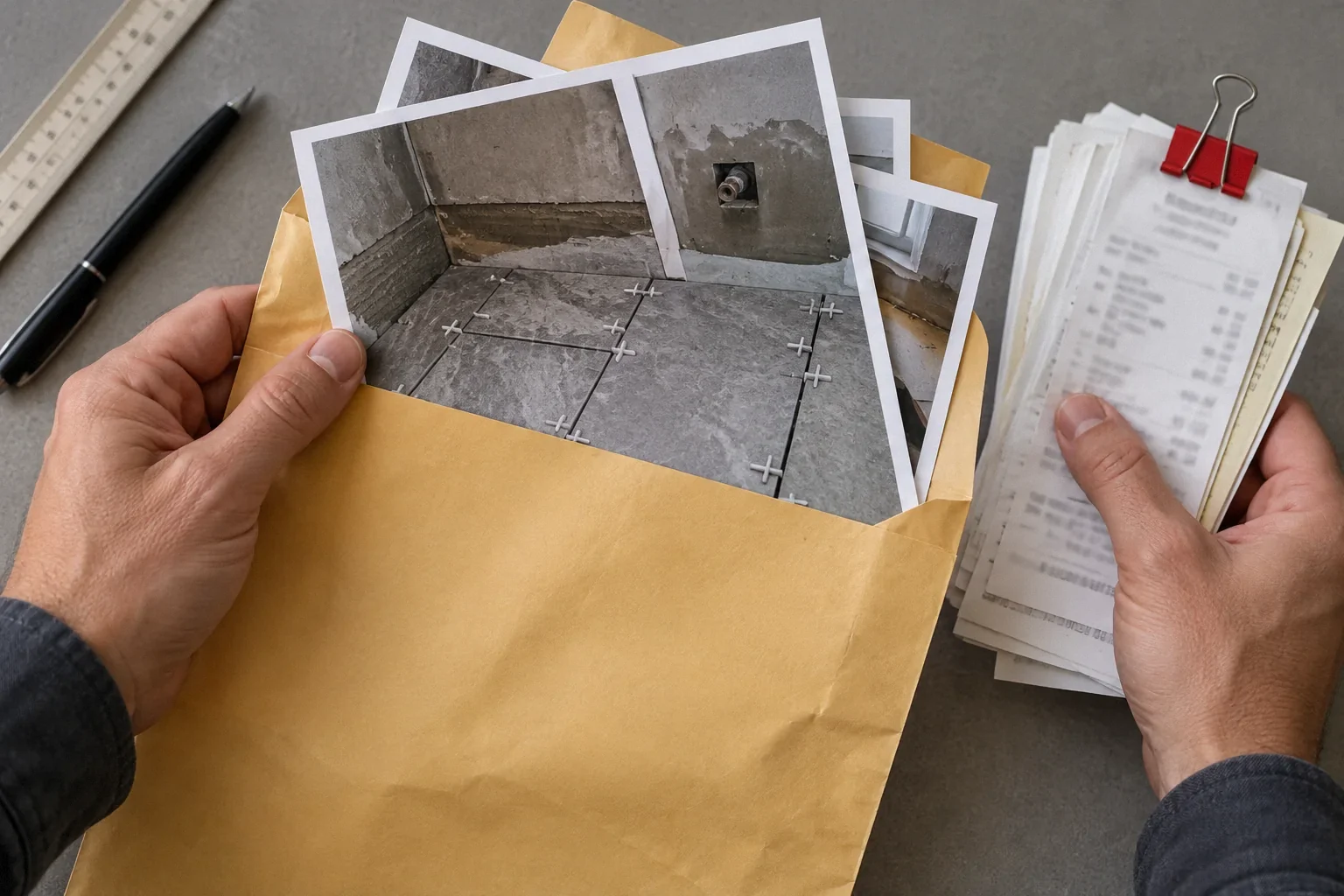
CSLB accepts complaints from homeowners, other contractors, subcontractors, employees and public agencies, against both licensed and unlicensed contractors. Complaints involving threats to public health and safety get the highest priority (CSLB, how the complaint process works). You can file online, by mail, or by calling 800-321-CSLB to request a form. Include copies, not originals, of the contract, change orders, cancelled checks and other records.
For licensed contractors, CSLB describes these stages in its complaint process:
- Intake: CSLB says its intake and mediation center sends letters to both parties, typically within 2–3 weeks, urging the contractor to resolve the matter.
- Mediation: staff may request documents and try to resolve the dispute.
- Arbitration: CSLB runs mandatory arbitration for qualifying disputes of $25,000 or less and voluntary arbitration for $25,000–$50,000.
- Investigation: serious matters go to investigators, who look for clear and convincing evidence of a violation.
- Outcome: possible citation, accusation or other discipline. For smaller claims without repeated violations, CSLB may direct you to small claims or the bond.
What makes a complaint useful
- A short timeline with dates: signing, payments, work stages, last contact
- The specific problem: for example, abandonment, defective work, payments taken ahead of work, a missing permit
- Evidence: photos, inspection reports, an independent contractor's written assessment and repair estimate
- What you want: completion, correction or reimbursement
Making a bond claim
Every active license must carry a $25,000 bond (effective 1 January 2023). CSLB's bond guide lists who may claim: homeowners who contracted for home improvements or construction of a single-family dwelling and were damaged by the licensee's violation of the license law; anyone damaged by a willful and deliberate violation or by fraud in performing a construction contract; and other eligible claimants under the governing law. It also notes the bond amount is not per job.
- Find the surety. Open the contractor's license detail on the CSLB lookup and use the 'Contractor's Bond History' link to identify the bond history for the relevant contract and alleged violation dates (CSLB bond basics).
- Write to the surety with a detailed description of the problem, a copy of the contract, and supporting documents, as CSLB's guide recommends.
- Respond to the surety's investigation. The surety and CSLB investigate independently.
- Watch time frames. CSLB says claims must be filed within specified time frames. Ask the surety in writing what applies and act promptly.
If the contractor posted a cash deposit instead of a surety bond, CSLB says a court order is needed to reach those funds.
Choosing a route
| Your situation | Reasonable first steps |
|---|---|
| Work stopped; contractor unreachable | Written notice; CSLB complaint; bond claim; protect against liens |
| Defective work; contractor responsive | Written defect list and a cure period; CSLB mediation if needed |
| Loss under $12,500 and contractor solvent | Demand letter; small claims; CSLB complaint alongside if there are violations |
| Large loss | Attorney consultation; bond claim; CSLB complaint; preserve evidence |
| Unlicensed person | CSLB complaint (unlicensed activity); court under BPC § 7031; no license bond to claim against |
Mistakes to avoid
- Expecting CSLB to collect money for you. It may help, but restitution is not guaranteed.
- Waiting. CSLB's jurisdiction is generally four years from the violation, and up to 10 years only for some hidden structural defects (CSLB, after you file). Bond time frames and court deadlines are separate and keep running. Filing a CSLB complaint does not automatically preserve your other claims, and none of these windows is a warranty on the work.
- Sending originals. Send copies, and keep a complete set.
- Skipping the independent assessment. A written report and estimate from another licensed contractor makes both complaints and claims more concrete.
- Overstating the case. Stick to dated facts. Allegations of fraud need evidence of intent. A payment-rule violation is a serious issue on its own and does not need to be labelled fraud.
Bay Area applicability
CSLB and bond rules are statewide. For complaints filed by mail, CSLB routes work performed in most Northern California counties, including the Bay Area, to its Sacramento intake center, and work in several Southern California counties to Norwalk (see CSLB's filing page). Small claims cases are filed in the superior court of the relevant county, for example San Francisco or Contra Costa.
Current to 3 October 2026.
Questions that come up next
Will CSLB get my money back from a contractor?
Not necessarily. CSLB may mediate, refer the dispute to arbitration, or order a licensee to pay or correct work, but it states it cannot guarantee restitution and that its investigations are not designed to obtain it.
How do I claim against a contractor's bond in California?
Find the surety through the 'Contractor's Bond History' link on the license detail page on CSLB's website, then write to the surety with a description of the problem, a copy of the contract and supporting documents. CSLB does not process bond claims.
How much is a California contractor's license bond?
$25,000 since 1 January 2023. CSLB notes it is not per job: it is the amount available for all of the contractor's jobs over the life of the bond.
How long do I have to complain to CSLB?
CSLB states its jurisdiction runs up to four years from the violation, and up to 10 years for some hidden (latent) structural defects. Court and bond deadlines are separate, and a CSLB complaint does not automatically preserve other claims.
Sources and further reading
- CSLB: Filing a Construction Complaint
- CSLB: Complaint Process Against Licensed Contractors
- CSLB: After You File Your Complaint
- CSLB: How the Complaint Process Works
- CSLB Fast Facts: A Guide to Contractor License Bonds
- CSLB: Bond Basics
- CSLB: Bond Requirements
- CSLB: Check a License
- Superior Court of San Francisco: Small Claims
- Superior Court of Contra Costa: Small Claims
Community questions behind this guide
These discussions identify homeowner concerns. Forum comments are personal accounts, not code or legal authority.