Better decisions. Fewer surprises.
Practical guides for California homeowners: materials, contractors, permits and the problems worth catching early.
100 articles
How Much Can a Contractor Charge Upfront in California? Down Payments and Progress Payments Explained
California caps home improvement down payments at $1,000 or 10% of the price, whichever is less, and bars payments that run ahead of completed work. Here is what that means for a Bay Area remodel contract.
Read guide
Do You Need a Permit for a Kitchen or Bathroom Remodel in the Bay Area? Why the Answer Depends on Your City
The same countertop-and-cabinet swap can be permit-free in one place and need a permit in another. How to work out what your building department requires, with three Bay Area examples, a scope worksheet and a decision checklist.
Read guide
Home Inspection Found a Shower Leak? How Buyers Should Handle It Before Closing
A moisture reading at a shower pan during escrow can mean anything from failed caulk to a shower with no working waterproofing. Here is how to get the cause diagnosed inside your contingency period, compare repair-before-close with a credit, and avoid buying a bigger problem than you priced.
Read guide
Why Is My Vinyl Plank Flooring Separating? Diagnosing LVP Gaps and Who Is Responsible
Gaps in click-together vinyl plank flooring usually trace back to the subfloor, a pinned floor that can't move, temperature swings, or damaged joints. Here is how to read the gap pattern, check it against the manufacturer's instructions, and decide whether it is an installation, product or site-conditions claim.
Read guide
How to Check a Contractor's License in California, and What the Lookup Doesn't Tell You
A step-by-step walkthrough of the CSLB license lookup for Bay Area homeowners: matching names and numbers, status, classifications, bond, workers' comp, discipline and salesperson registration, with five real-world mismatch scenarios.
Read guide
Do You Need Asbestos Testing Before Remodeling in the Bay Area? What the Air District Requires
In the Bay Area, the Air District's Regulation 11, Rule 2 sets asbestos rules for renovation and demolition, including houses. Here is when testing is required, how to arrange it before demolition, how to compare consultants and abatement bids, and how to keep the schedule moving.
Read guide
Quartz vs Quartzite vs Granite vs Marble: Choosing a Countertop You Won't Regret
Countertop regrets in homeowner discussions usually come down to a mismatch between the material and how the kitchen is used: marble that etches, white quartz that shows wear, a pattern that fights the backsplash, a seam in the wrong place. Here is how the materials differ, how to verify what you are buying, and the slab, seam, support and sink decisions that matter as much as the material.
Read guide
What Inspections Does a Remodel Need? The Typical Sequence, and What You Should Check at Each Stage
From rough-in to final: the inspection stages a permitted kitchen or bathroom remodel usually passes through, what the inspector is looking at, what the homeowner can usefully check alongside, and how to use inspections to time payments.
Read guide
Kitchen Layout Mistakes People Regret, and How to Catch Them on Paper
Many kitchen regrets are layout problems you can catch before ordering: tight aisles, no landing space beside the fridge or cooktop, a dishwasher that traps the sink, doors that collide. Here is a walkthrough method for testing a plan, what is code versus design guidance under California's 2025 codes, and a short checklist.
Read guide
Order Materials Before Demolition? How to Sequence a Remodel Around Lead Times
Starting demolition before tile, cabinets or windows arrive is a regret that recurs in remodel discussions. Here is how to decide what must be on site before demo, how California's payment rules affect material orders, and a sequencing checklist for Bay Area projects.
Read guide
Do I Need a Panel Upgrade for My Kitchen Remodel? Load Calculations, Utility Steps and Alternatives
A remodel adds circuits, and electrification adds big loads. Whether you need a new panel, a subpanel, a utility service upgrade, or load management depends on a load calculation and the condition of your equipment, not the number printed on the main breaker. Here is how to decide and how the PG&E process fits in.
Read guide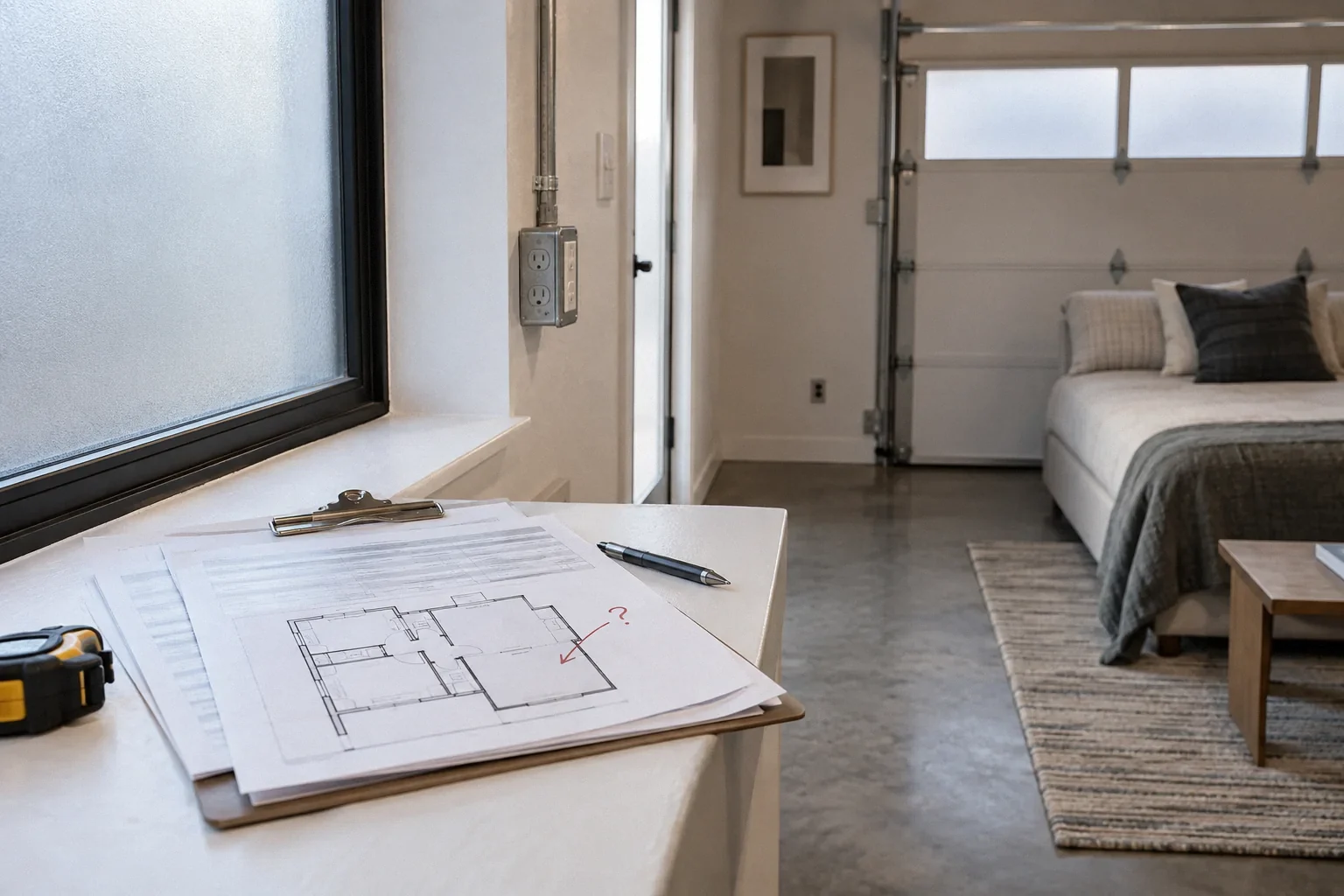
Buying a Bay Area House With Unpermitted Work: How to Assess the Risk Before You Commit
Unpermitted kitchens, baths, garage conversions and flips are a recurring theme in Bay Area home-buying discussions. A practical due-diligence sequence: disclosures, permit history, specialist inspections, legalization questions, pricing and contingencies.
Read guide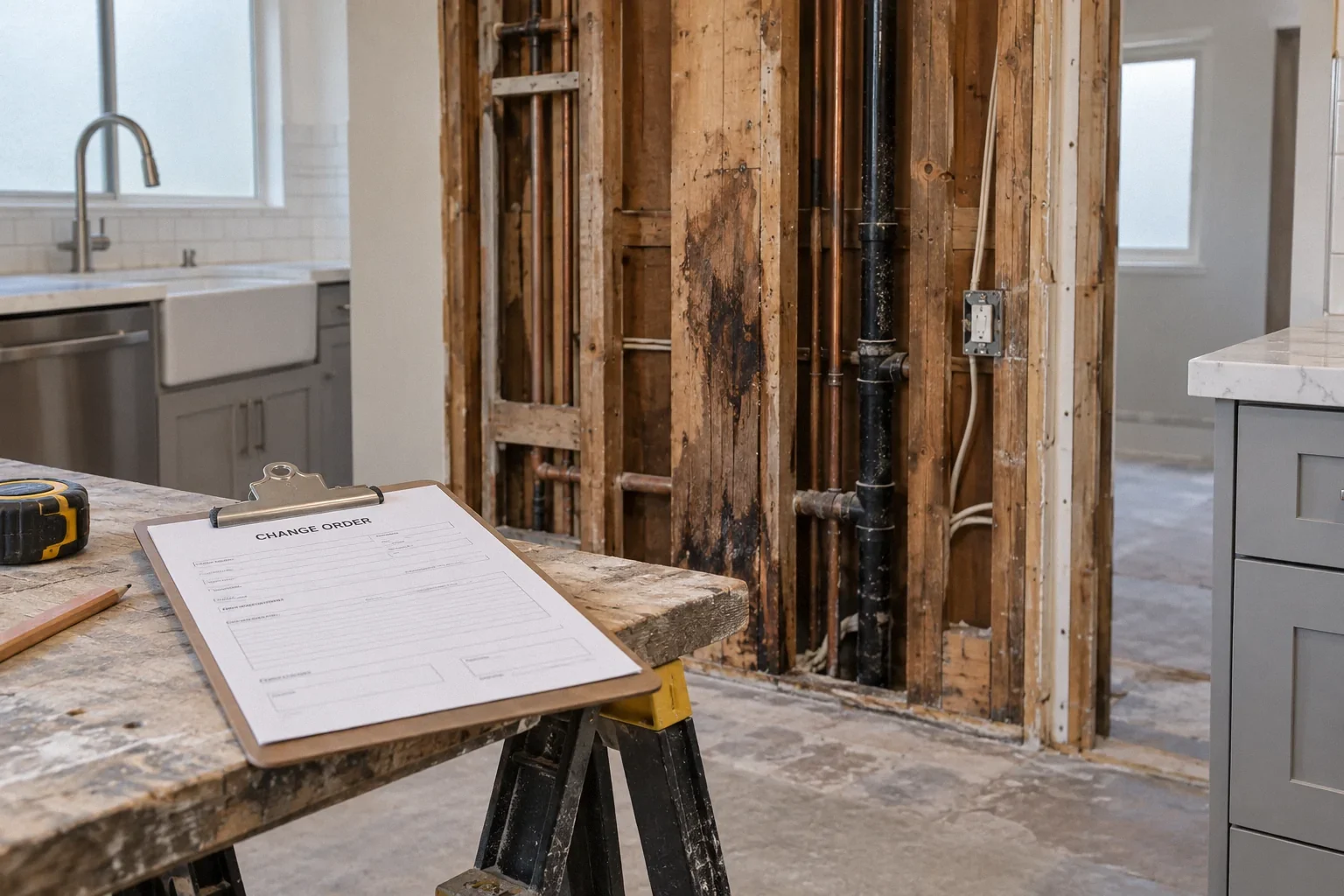
Remodel Change Orders in California: What Must Be in Writing, and What to Do About Charges You Never Signed
California requires home improvement change orders to be written and signed before the changed work starts. How to handle missed scope, hidden conditions, and surprise extras on a Bay Area remodel.
Read guide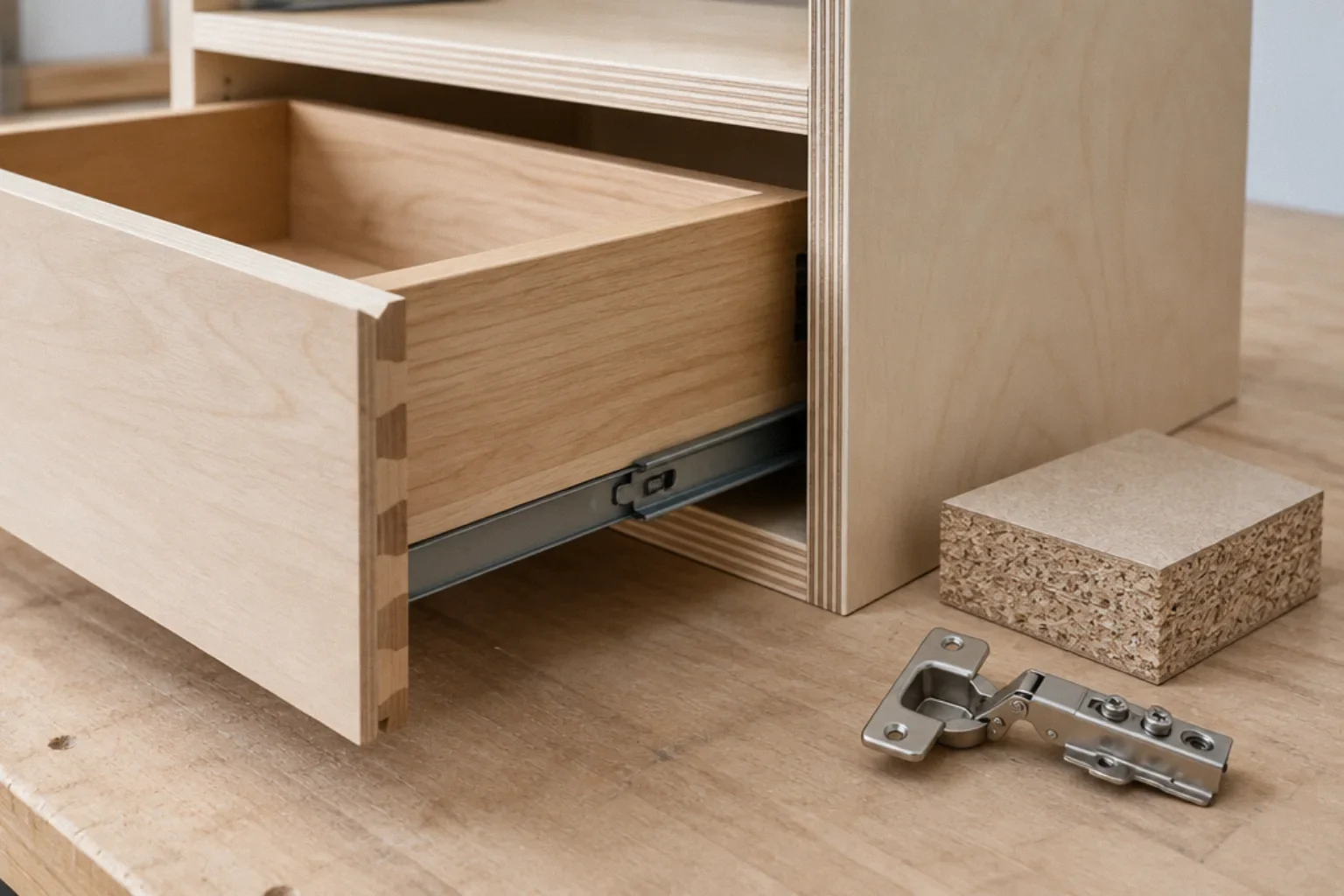
How to Tell Good Kitchen Cabinets From Cheap Ones: A Construction Checklist
Box material is only one part of cabinet quality. Here is how to judge cases, drawers, hinges and finishes, what the KCMA seal and California's formaldehyde label actually tell you, and how RTA, stock, semi-custom and custom cabinets compare.
Read guide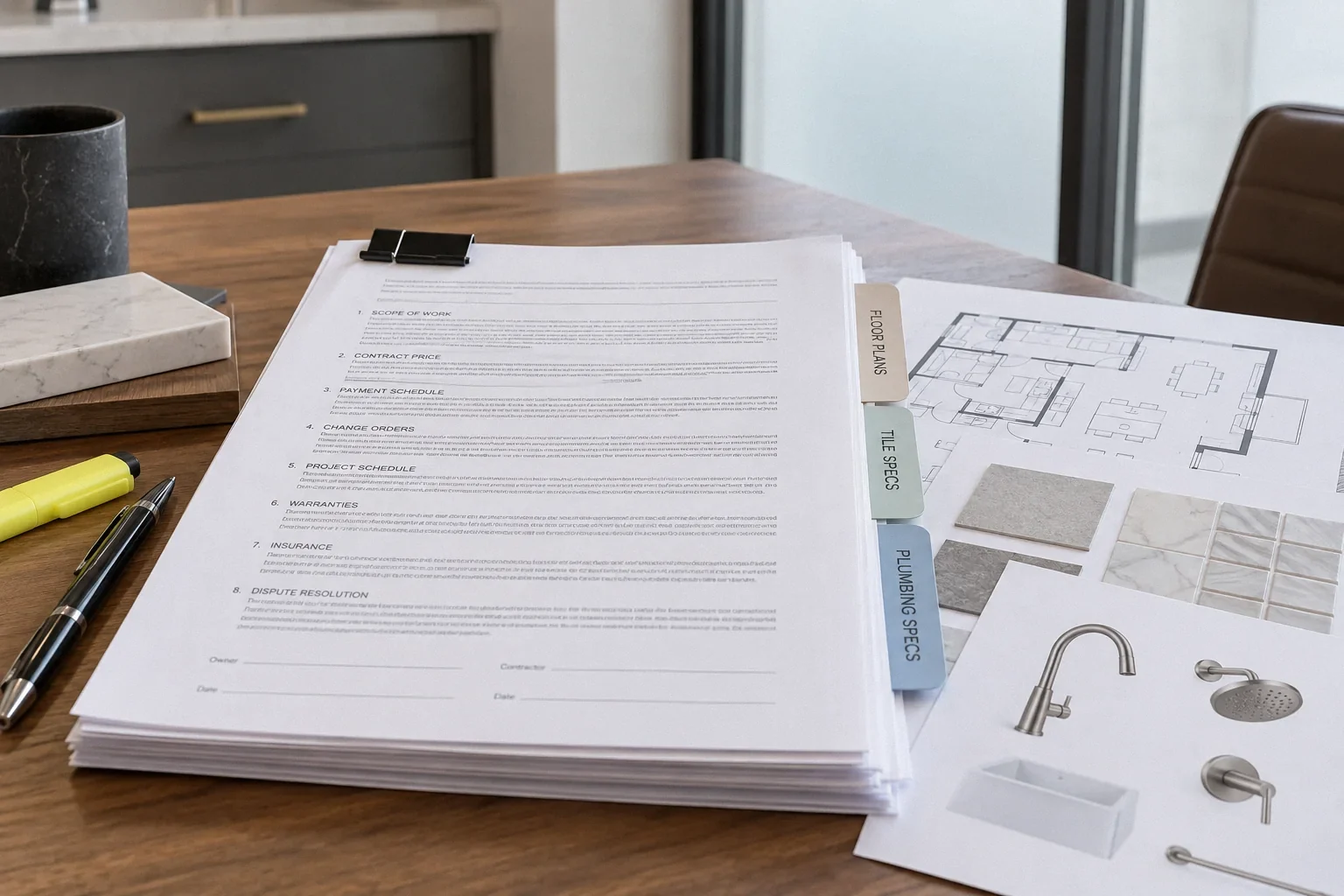
What a California Home Improvement Contract Must Include: A Clause-by-Clause Checklist
California requires specific content in home improvement contracts over $500. Use this checklist to compare a remodel contract against Business and Professions Code § 7159 and CSLB guidance before you sign.
Read guide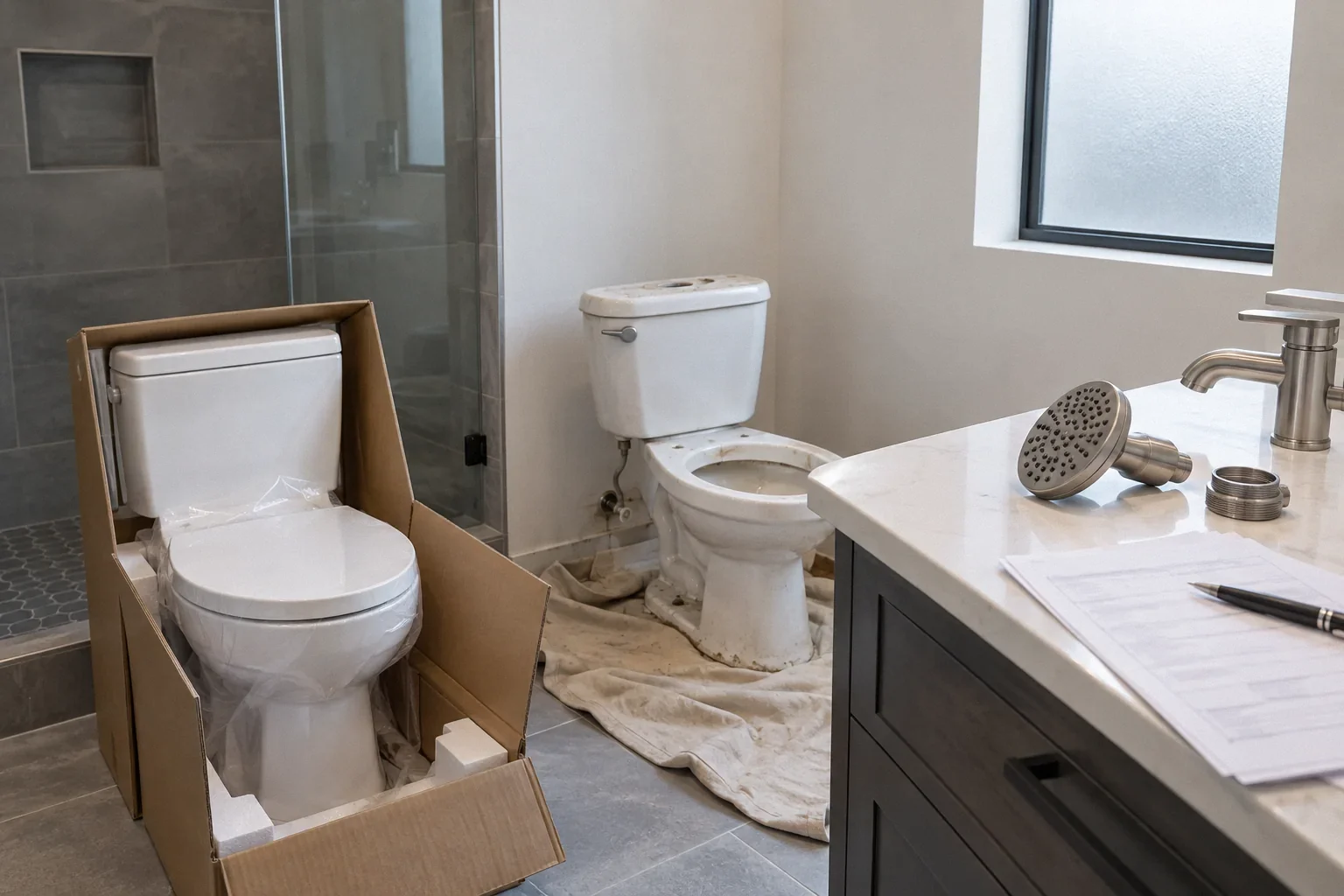
Do You Have to Replace Toilets When You Remodel in California? The SB 407 Fixture Rule Explained
California's SB 407 makes the final sign-off on many single-family remodel permits depend on replacing old high-flow toilets, showerheads and faucets throughout the house. Here is how the rule works, who it applies to, and how Bay Area cities enforce it.
Read guide
Got a Stop Work Order on Your Remodel? What It Means and How to Get Work Restarted in the Bay Area
A stop work order means all work stops until the building department's conditions are met. Here is what triggers one, how San Francisco and Oakland handle penalties for unpermitted work, and the steps to clear it without making things worse.
Read guide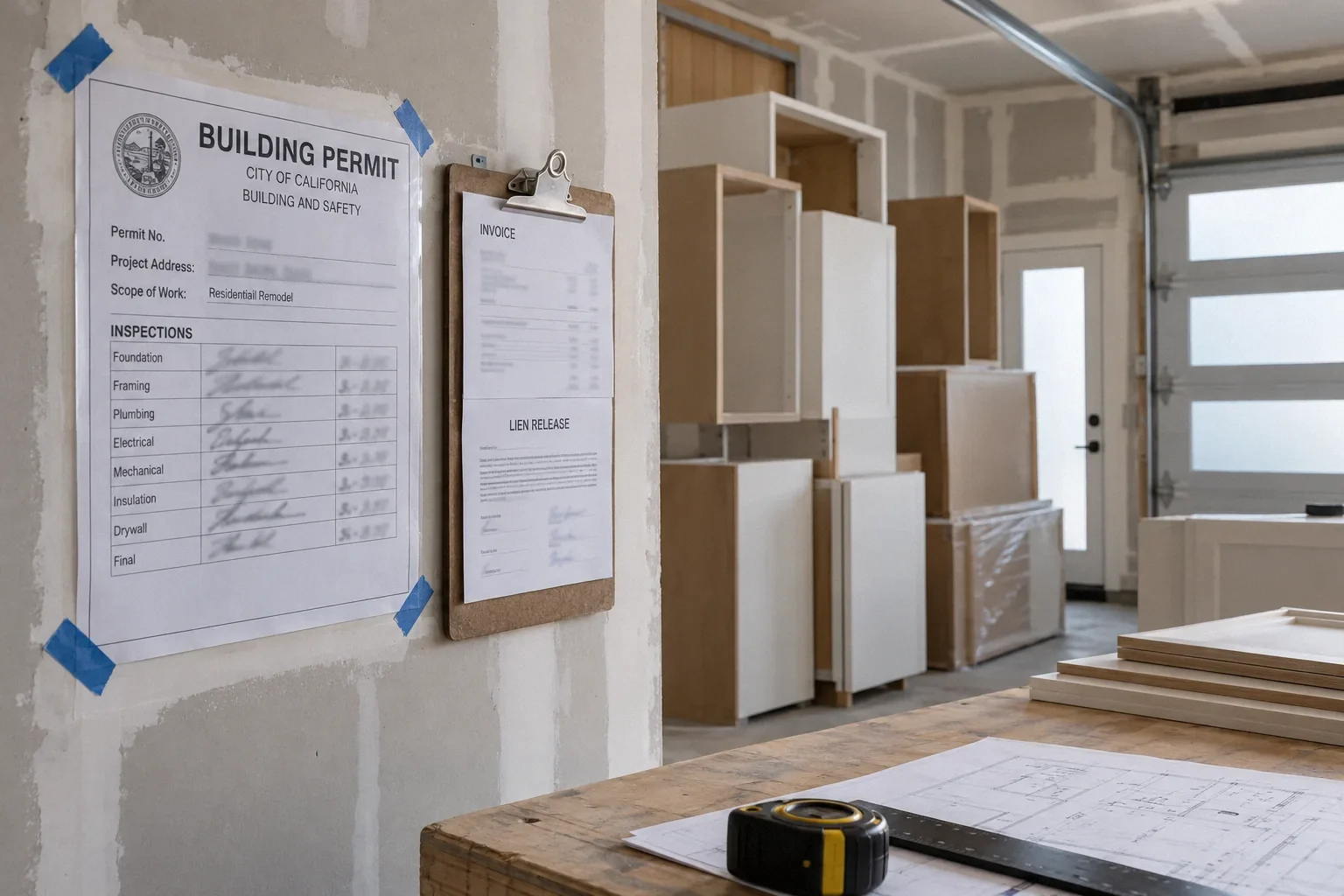
How to Structure Progress Payments for a Remodel in California
Turn California's 'no payment ahead of the work' rule into a practical milestone schedule for kitchens, bathrooms and larger remodels, with the paperwork to collect at each payment.
Read guide
Mechanics Liens in California: How Homeowners Avoid Paying Twice for a Remodel
Unpaid subcontractors and suppliers can record a lien even after you pay your contractor. How preliminary notices, conditional and unconditional releases, joint checks and lien deadlines work for Bay Area homeowners.
Read guide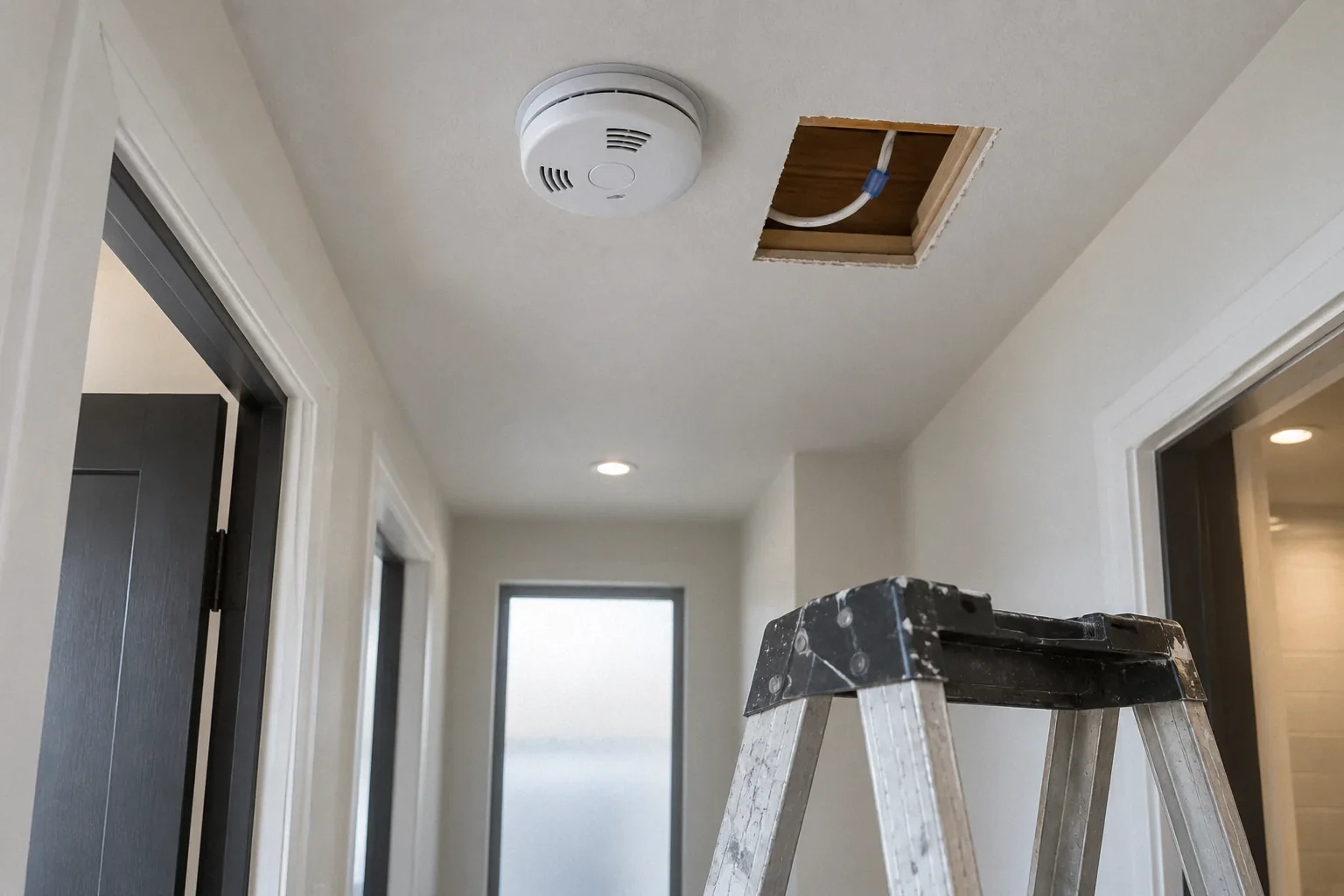
Smoke and CO Alarm Requirements for a Remodel Permit in California: What the Inspector Will Check
In California, a permitted alteration over $1,000 cannot be signed off until the home's smoke alarms meet state requirements, and the 2025 California Residential Code adds carbon monoxide alarm rules. Here is where alarms go, when hardwiring is expected, and how to keep protection working during the job.
Read guide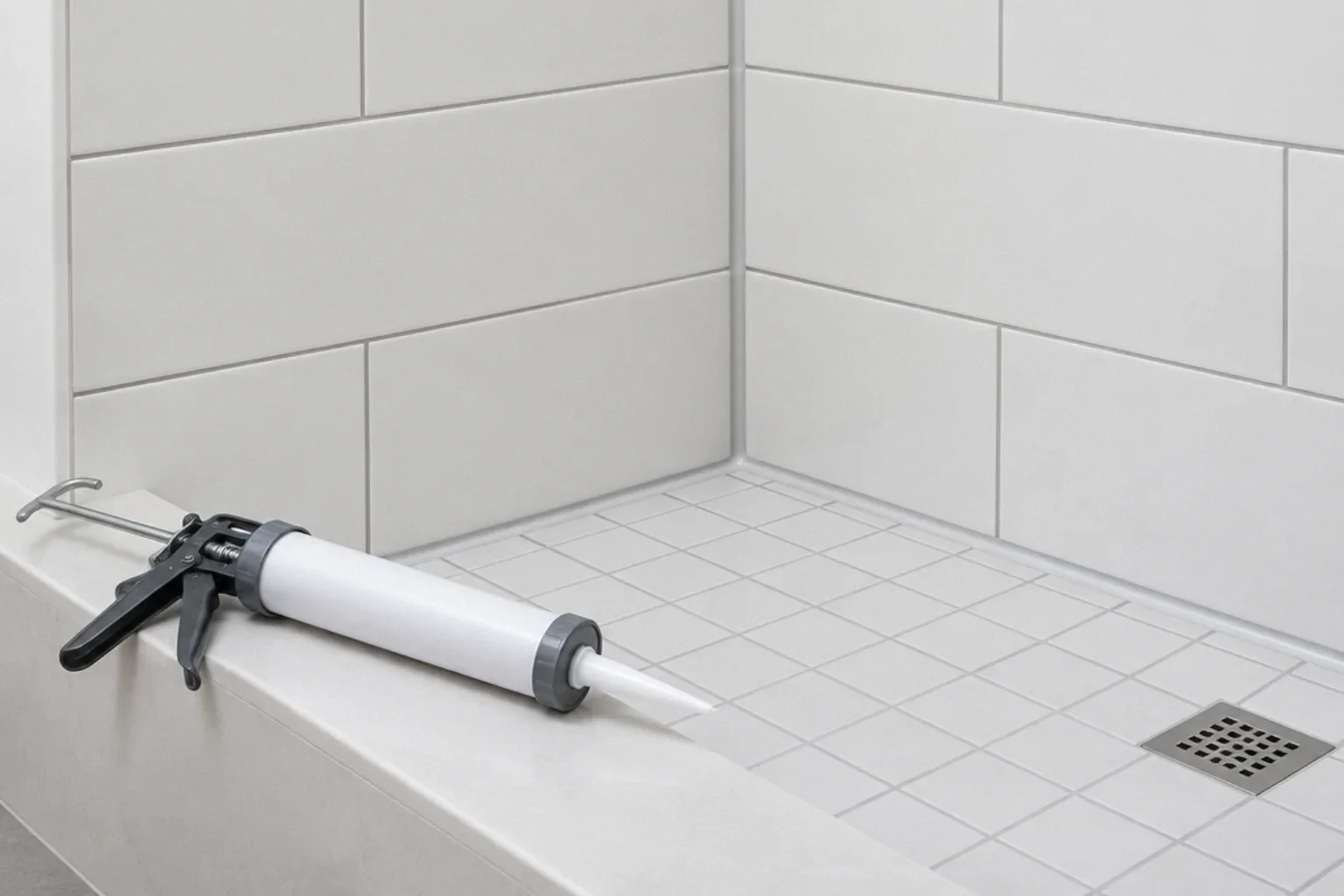
Grout or Caulk? Where Each Belongs in a Tile Shower
Use grout in the flat field joints between tiles and a flexible sealant at corners, changes of plane, and where tile meets other materials. Neither one is your waterproofing. Here is how to tell which joint is which, what to ask a tile setter, and what cracked corners do and do not mean.
Read guide
Kitchen Lighting Requirements for a California Remodel: What Title 24 Changes About Your Plan
California's 2025 Energy Code requires high-efficacy light sources, airtight recessed downlights without screw-base sockets, wall dimmers in kitchens, and under-cabinet lighting switched separately from ceiling lights. Here is how those rules shape a kitchen lighting plan and what to settle before rough-in.
Read guide
Old Permit Never Finaled? How to Handle Open or Expired Permits Before You Sell or Buy in the Bay Area
A permit that was issued but never received final inspection can surface during a sale, a refinance or your next remodel. Here is how permits expire, how San Francisco and Oakland describe renewal, and how buyers and sellers should deal with an open permit honestly.
Read guide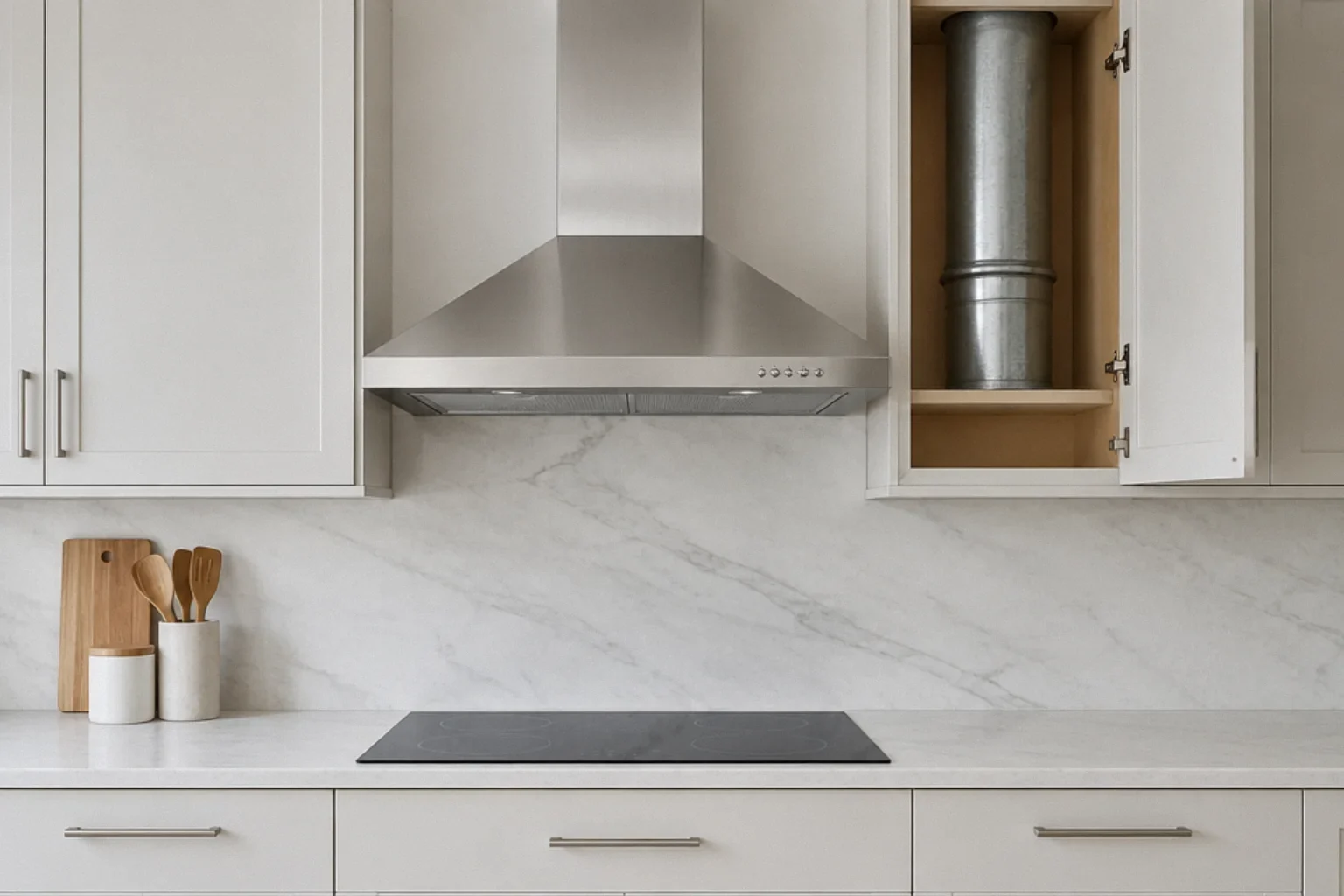
Is an Over-the-Range Microwave Enough Ventilation in California? Range Hood Rules for a Remodel
California's Energy Code requires kitchens to have local mechanical exhaust, and vented range hoods are checked against rated airflow or capture efficiency and sound. Here is how an over-the-range microwave compares with a hood, what to ask before you buy, and how Bay Area permit handouts apply the rule.
Read guide
Will I Regret White Cabinets? How to Choose Kitchen Finishes You Won't Tire Of
No color is regret-proof, but regret is predictable: it comes from choosing for a trend or a rendering instead of your light, your house and how you clean. Here is a practical way to separate long-life decisions from easy-to-change ones, test finishes in your own kitchen, and stop second-guessing.
Read guide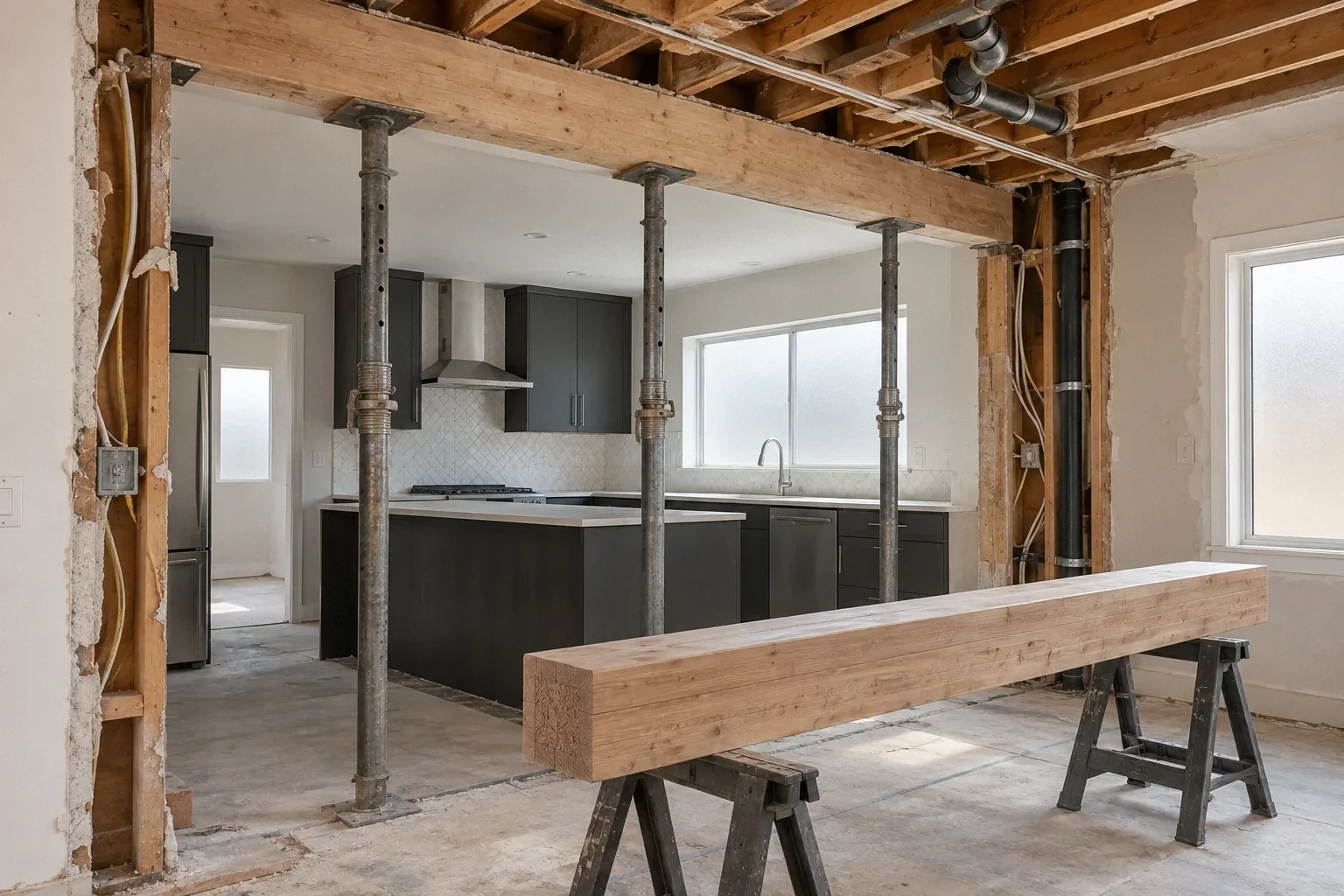
Removing a Load-Bearing Wall to Open a Kitchen: Permits, Engineering and What Can Go Wrong
Opening a kitchen by removing a load-bearing wall needs a permit, a structural design and an inspected beam and support path. Here is how to tell whether a wall is structural, who can prepare the plans in California, and the mistakes owners describe after the wall comes down.
Read guide
How to Avoid Hating Your Backsplash: Sampling and Mock-Ups Before You Commit
Finish regret often starts with a small sample seen under showroom light. Here is a step-by-step way to sample tile, countertops, cabinet finishes and paint in your own room, check delivered material against what you approved, and use a dry layout before anything is set permanently.
Read guide
Can You Cancel a Contractor Contract After Signing in California? The 3-, 5- and 7-Day Rules and What Comes After
California gives buyers a short window to cancel many home improvement contracts: three business days, five for buyers 65 or older, seven for certain disaster repairs. When the right applies, how to count the days, how to cancel in writing, and what to do once the window has closed.
Read guide
Hiring an Unlicensed Contractor for a Kitchen or Bath Remodel in California: What You Actually Risk
A reliable handyman is not the same as a licensed contractor. What California law says about unlicensed remodel work, from permits and payment to injured workers, disclosure and recourse, and how to decide.
Read guide
What Can a Handyman Legally Do in California? The $1,000 Minor Work Exemption Explained
California lets unlicensed handypersons do casual, minor jobs under $1,000 only when no permit is needed, no helpers are hired and the job isn't part of something bigger. How the three conditions work, with examples and red flags.
Read guide
Open-Concept Kitchen Regret: What to Weigh Before You Take Out the Wall
Opening a kitchen to the living area trades walls for light and connection, and costs you storage, separation of noise and smells, and sometimes a beam. Here is how to decide, what a California permit will ask for, and partial-opening alternatives that keep most of the benefit.
Read guide
What to Do When a Contractor Abandons Your Remodel in California
A contractor stops showing up, stops answering, and your kitchen is half demolished. A step-by-step response for California homeowners: documentation, written notice, license and bond checks, liens, CSLB complaints and finishing the job.
Read guide
Does Unpermitted Work Affect Homeowners Insurance in California? What You Can and Cannot Assume
Forum posts often claim an insurer will deny any claim if it finds unpermitted work. The real answer depends on your policy wording, the cause of the loss and what you told the insurer. Here is how to find out where you stand before a claim, using California Department of Insurance guidance.
Read guide
Aging-in-Place Bathroom Remodel Checklist: Plan Now, Avoid a Second Remodel Later
A bathroom remodel is the cheapest moment to add wall blocking for grab bars, a low or no-threshold shower, a seat, a hand shower and better lighting. Here is what to include, which accessibility references are useful in a private home, and how to plan for a future you cannot fully predict.
Read guide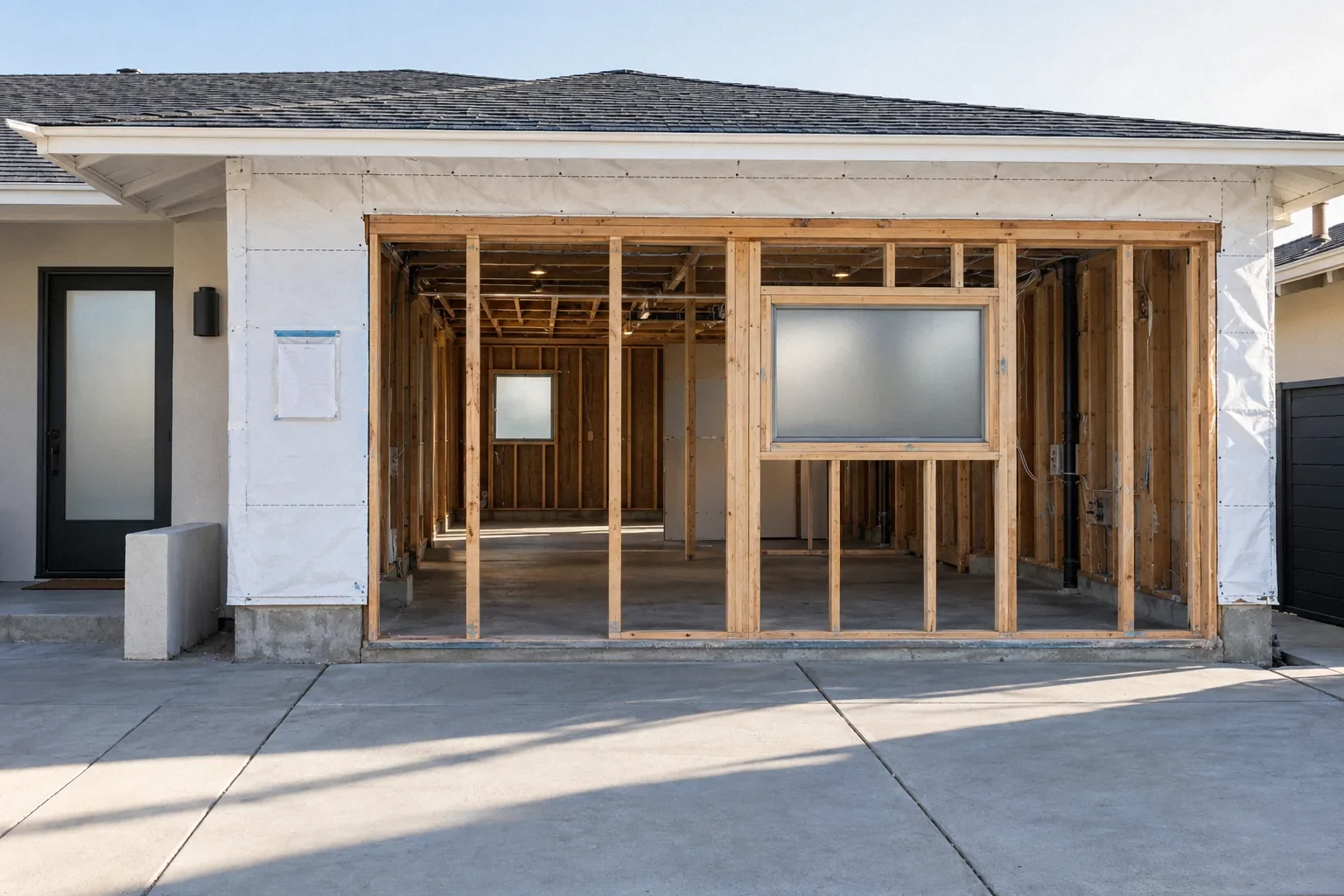
Converting a Garage to an ADU in the Bay Area: State Rules, Local Review and the Decisions That Drive Cost
California law makes garage-to-ADU conversions easier than most new construction: no setback for existing structures, no replacement parking, and a 60-day decision clock for complete applications. Here is what state law actually says, where Bay Area cities still differ, and the decisions to make before you hire anyone.
Read guide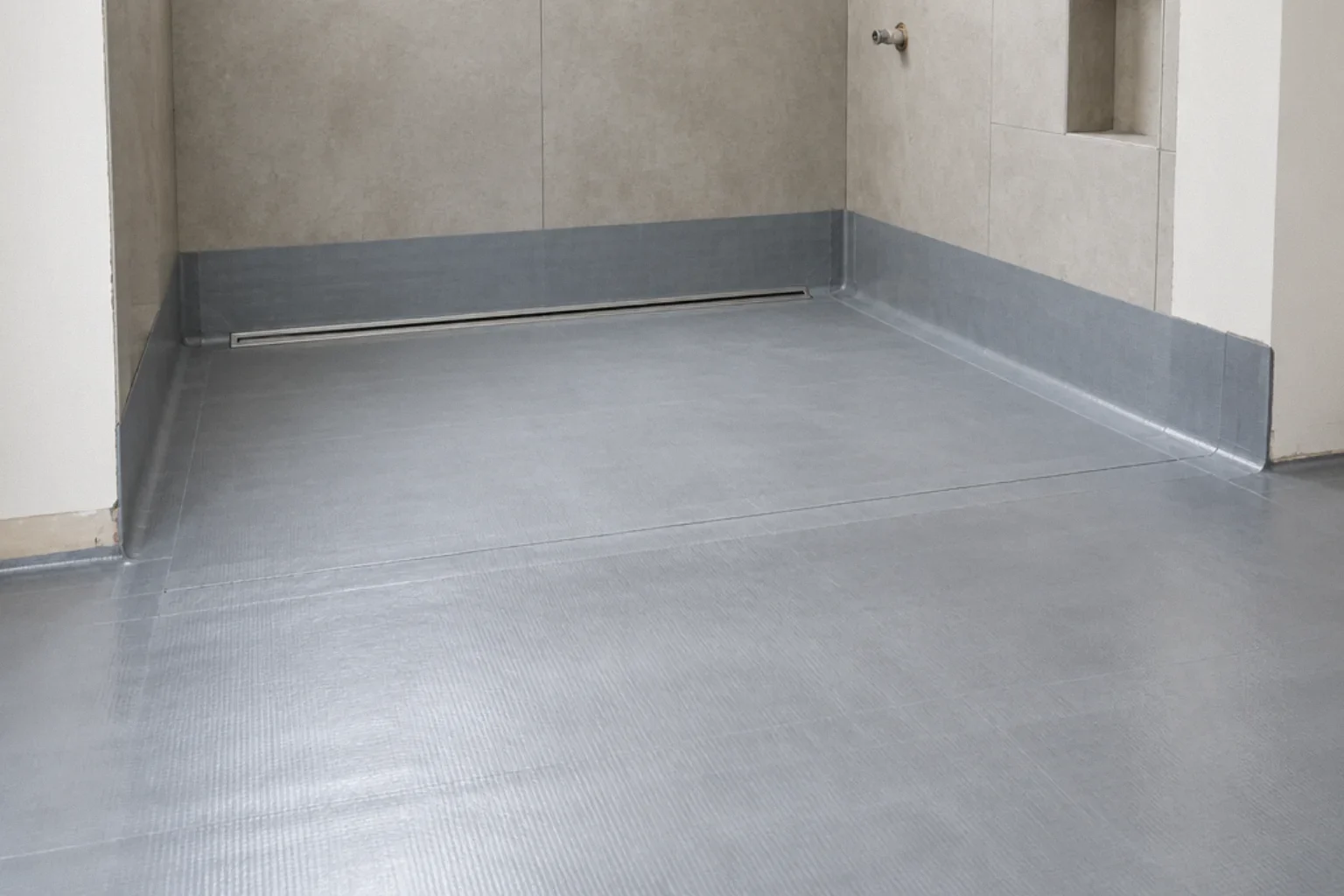
Curbless Shower Problems and How to Plan Around Them
A curbless shower depends on three things working together: a floor lowered or built up to fit the slope, waterproofing that extends past the shower, and a drain and slope that keep water from reaching the rest of the bathroom. Here is how to tell whether your floor can take one and what to ask before you commit.
Read guide
How to File a Complaint Against a Contractor in California: CSLB Complaints vs Bond Claims
A CSLB complaint and a claim against a contractor's license bond are separate processes with different goals. What each can and cannot do for a California homeowner, what to file, and how they fit with small claims and court.
Read guide
Remodeling an Eichler: Slab, Radiant Heat, Glass Walls, Flat Roofs and Local Rules
Eichler homes are post-and-beam houses on concrete slabs, often with radiant heat in the slab, low-slope roofs and walls of glass. Those features change how kitchens, baths, insulation, windows and seismic work are done. Here is what to investigate before you design, and how Palo Alto's voluntary Eichler guidelines and single-story overlays fit in.
Read guide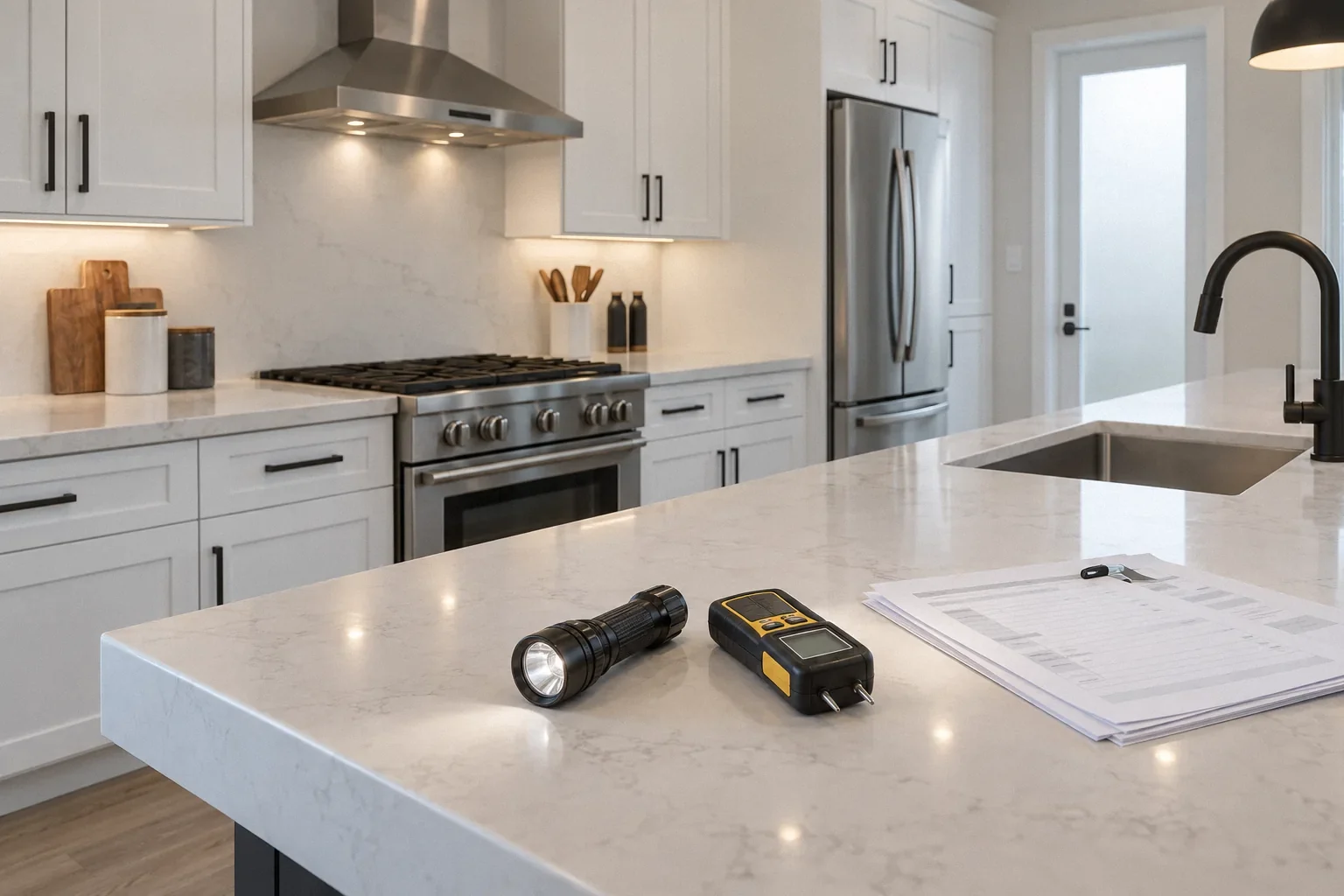
Buying a Flipped House in California: What AB 968 Requires Sellers to Disclose and What It Doesn't
Since July 2024, California sellers who accept an offer within 18 months of acquiring a single-family home must disclose contractor work, contractor contact information and permits. Here is how Civil Code § 1102.6h works, its limits, and how Bay Area buyers can use it to check a flip.
Read guide
What Must a California Home Seller Disclose? The Transfer Disclosure Statement Explained for Renovated Homes
California sellers of most residential property with one to four dwelling units must deliver a Transfer Disclosure Statement in good faith, and an as-is sale does not cancel the duty to disclose known material facts. Here is what the TDS covers, the buyer's termination window, exemptions, and how it applies to remodeled and unpermitted work.
Read guide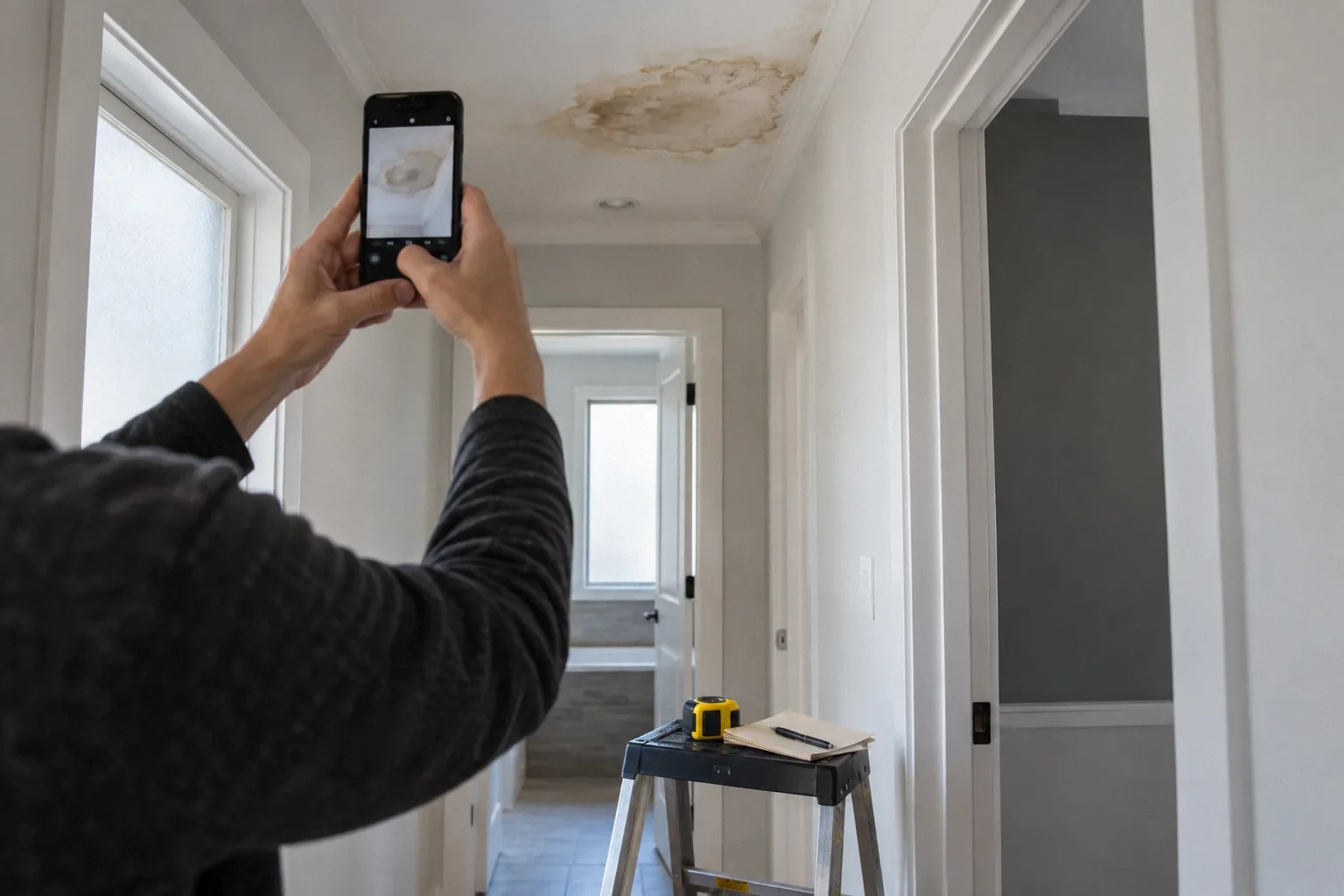
Found Defects After Buying a House in California? A Step-by-Step Guide to Your Options
Discovering a leak, a failing floor or unpermitted work after closing is stressful, and the path forward depends on who knew what and who did the work. Here is how to document the problem, sort seller, agent, inspector and contractor questions, and track deadlines in California.
Read guide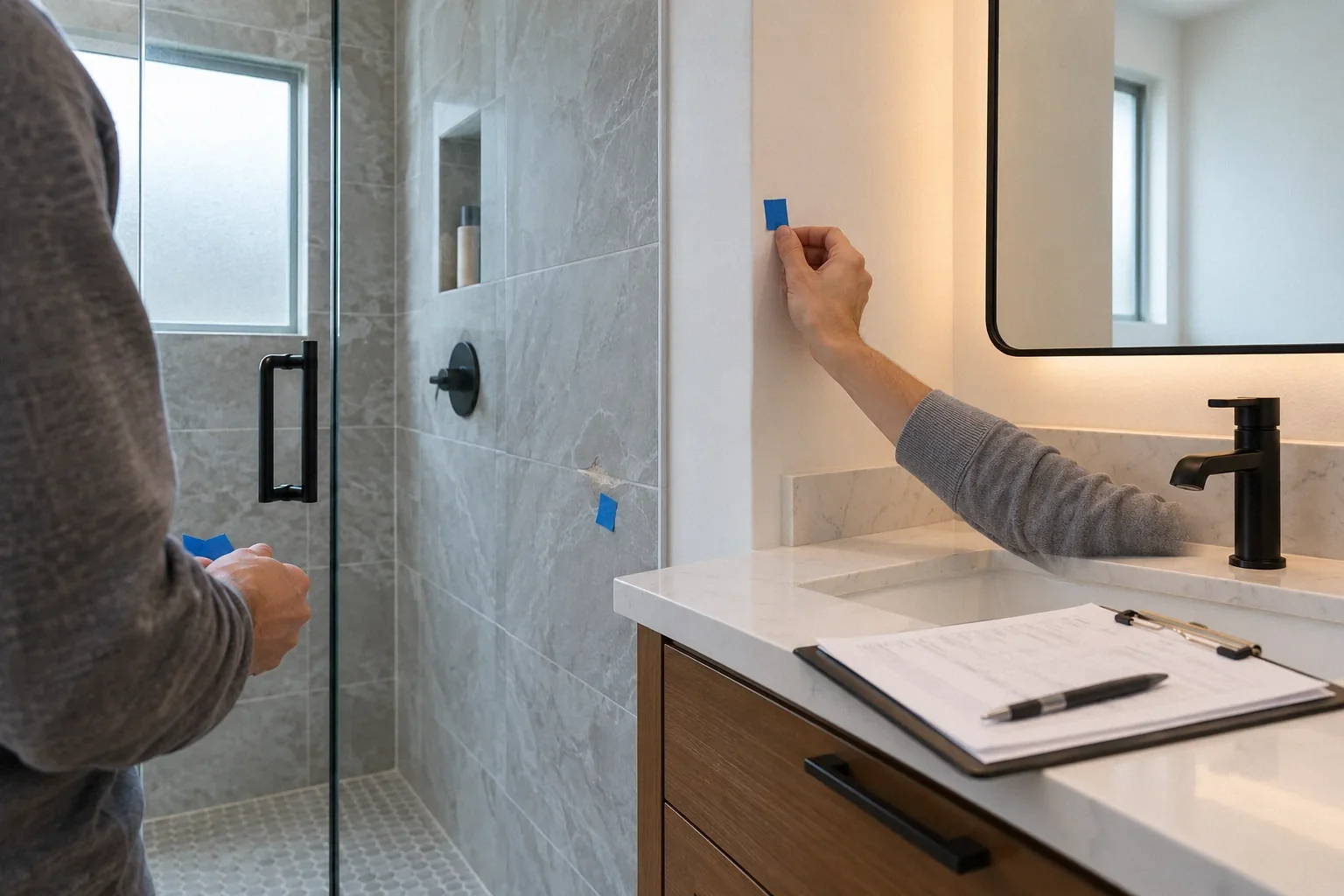
Can You Withhold the Final Payment Until the Contractor Fixes the Punch List?
Holding back money is the main leverage homeowners have at the end of a remodel, and the easiest way to end up on the wrong side of a dispute. California's 150% rule for disputed amounts, retention timing, prompt payment penalties, and a fair way to close out a job.
Read guide
Fixed Price vs Time and Materials for a Remodel: Which Contract Structure Fits Your Project?
Fixed-price, time-and-materials and cost-plus contracts move risk in different directions. How each handles unknowns, change orders and payments, and what California's home improvement rules mean for each structure.
Read guide
Contractor Says Material Prices Went Up After You Signed? Allowances, Escalation Clauses and Your Options
When a contractor asks for more money because materials cost more, or an allowance runs over, the contract decides who pays. How to read allowance and escalation terms, and how to respond in writing.
Read guide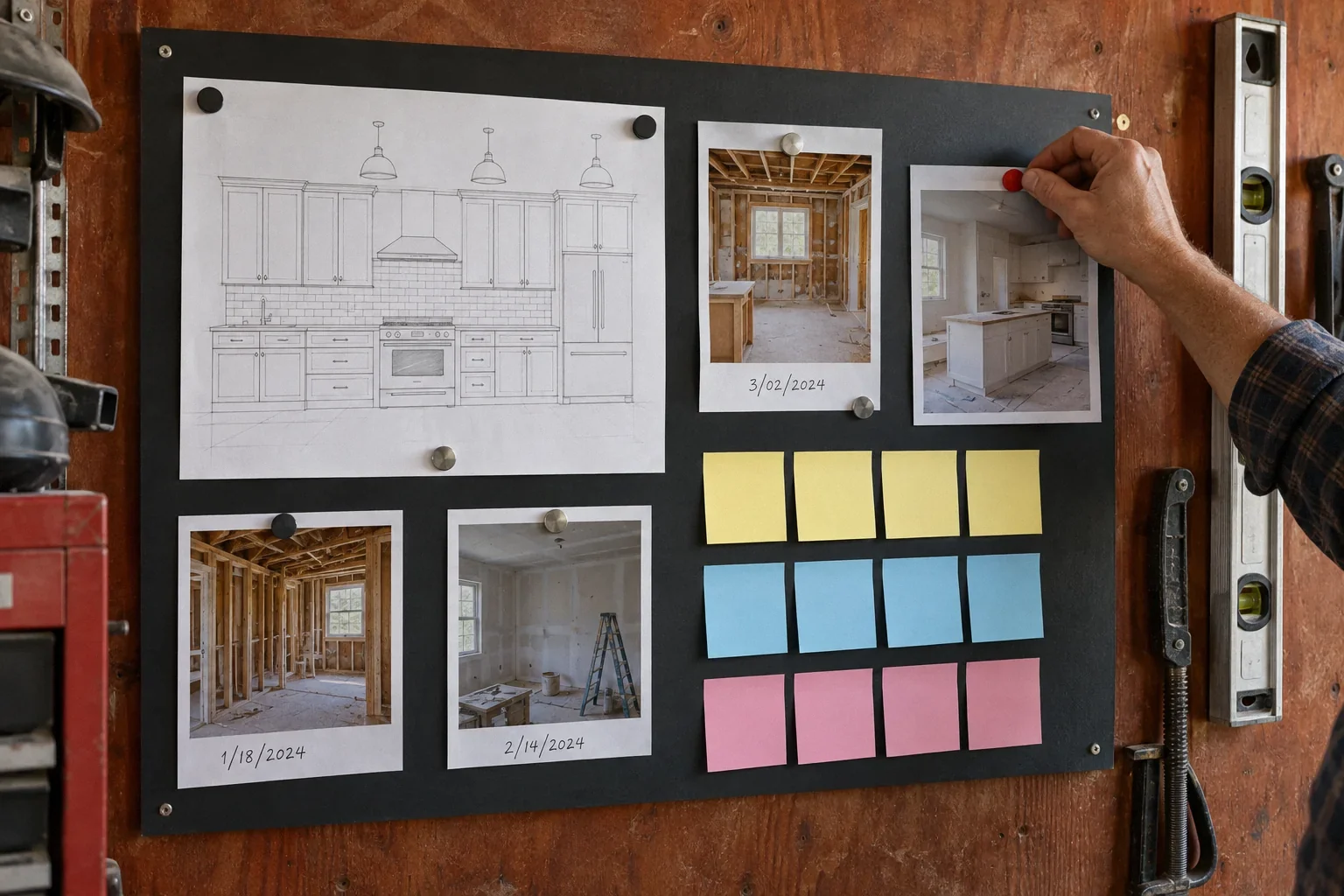
How to Communicate With a Contractor So Nothing Gets Lost: A Written-Record System for Remodels
Many contractors prefer the phone; disputes are settled on paper. A practical system for Bay Area homeowners: recap emails, a decision log, weekly check-ins, photo records, and when a text is not enough.
Read guide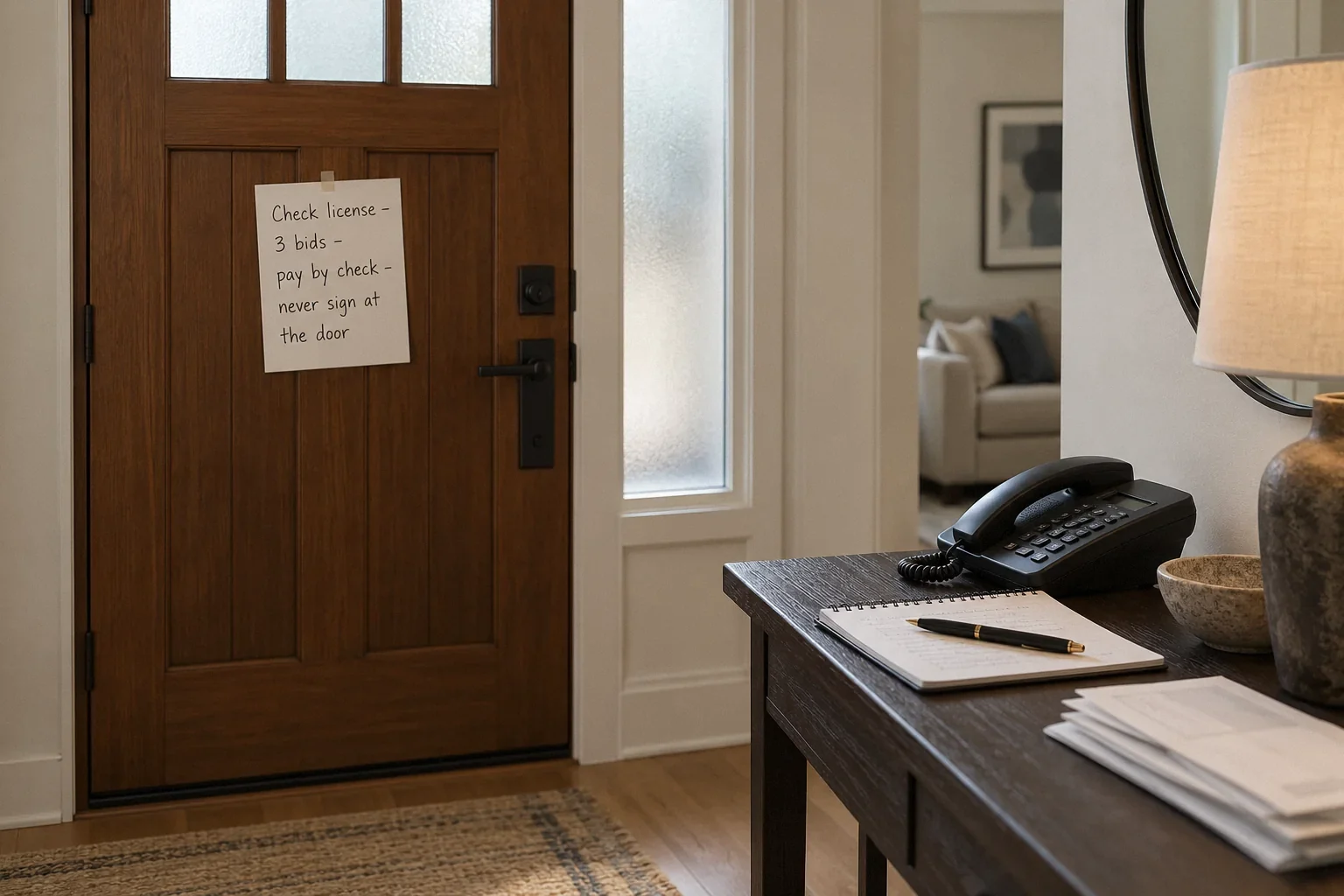
Contractor Scams Targeting Older Homeowners in California: Warning Signs, Legal Protections and What Families Can Do
Door-knock offers, 'free inspections' that find urgent problems, stacked contracts and demands for cash. How California's five-day cancellation right, deposit cap and license checks protect homeowners 65+, and how families can step in.
Read guide
What a California Home Inspection Does and Doesn't Cover, and When to Call a Specialist
California defines a home inspection as a noninvasive physical examination of readily accessible systems and components. That leaves real blind spots inside walls, under floors and underground. Here is what the law requires of inspectors, where specialists fit, and the East Bay sewer lateral rule buyers often meet.
Read guide
Bay Area 'Gas Water Heater Ban' Explained: What BAAQMD Rules 9-4 and 9-6 Actually Require
The Bay Area Air District's appliance rules set zero-NOx standards for new water heaters and furnaces sold or installed in the region. They do not force you to remove a working gas appliance, and they do not cover gas stoves. Here is the timeline, the pending 2026 amendments, and how to plan a remodel around them.
Read guide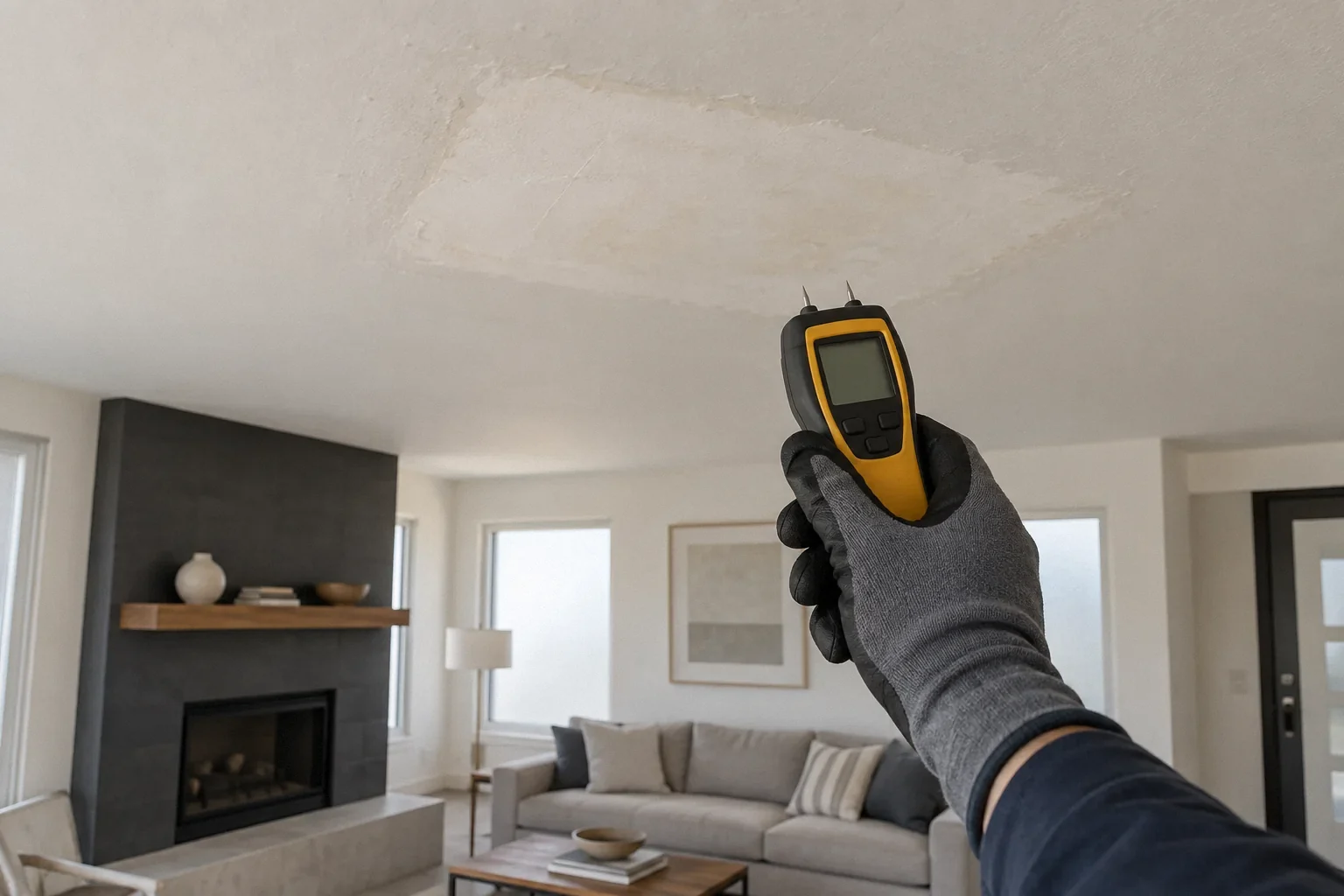
Signs of Hidden Water Damage Before You Buy a House: What to Look For and What to Ask
Fresh paint, new flooring and a staged house can make past leaks hard to see. Here are the visible clues, the right questions for sellers, how moisture tools help and mislead, and what EPA says about mold and drying, applied to Bay Area home shopping.
Read guide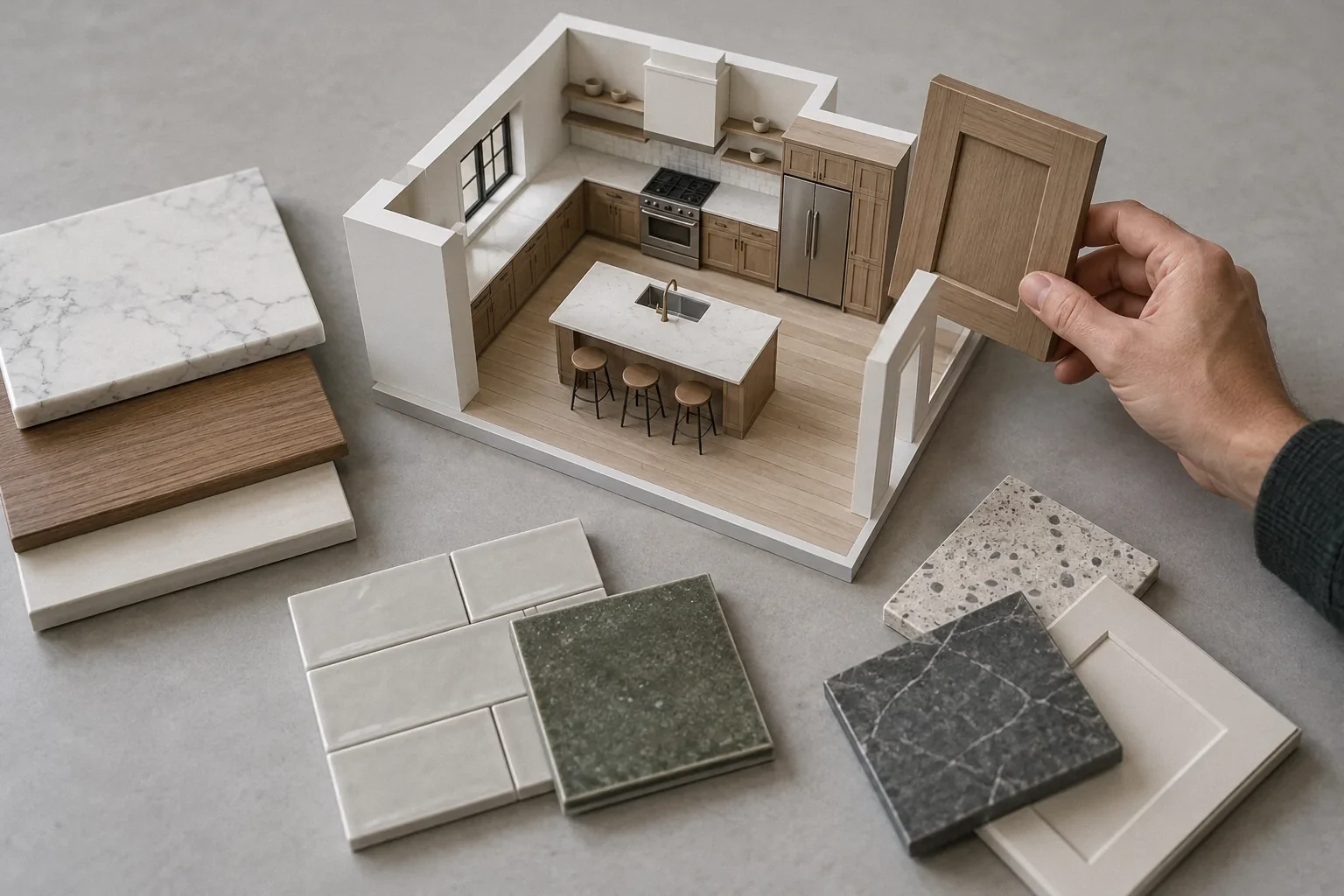
How to Compare Contractor Bids for a Kitchen or Bathroom Remodel: Leveling Quotes That Don't Match
Remodel quotes can differ by multiples because they are not pricing the same job. A step-by-step method to level bids: a common scope sheet, matching allowances, permit and exclusion checks, and a worked example.
Read guide
Natural Hazard Disclosure in the Bay Area: What the NHD Report Means for Buyers and Renovators
California's Natural Hazard Disclosure Statement tells buyers whether a property is mapped in flood, dam inundation, fire hazard, wildland, earthquake fault or seismic hazard zones. Here is what each zone means, what the maps can't tell you, and how a zone can affect insurance and remodel plans in the Bay Area.
Read guide
Designer, Design-Build Firm or General Contractor? Choosing How to Run a Bay Area Remodel
Who designs, who builds, who is accountable when the result doesn't match the rendering? Comparing designer-led, design-build and contractor-led remodels, with California licensing and plan-preparation basics and a decision guide.
Read guide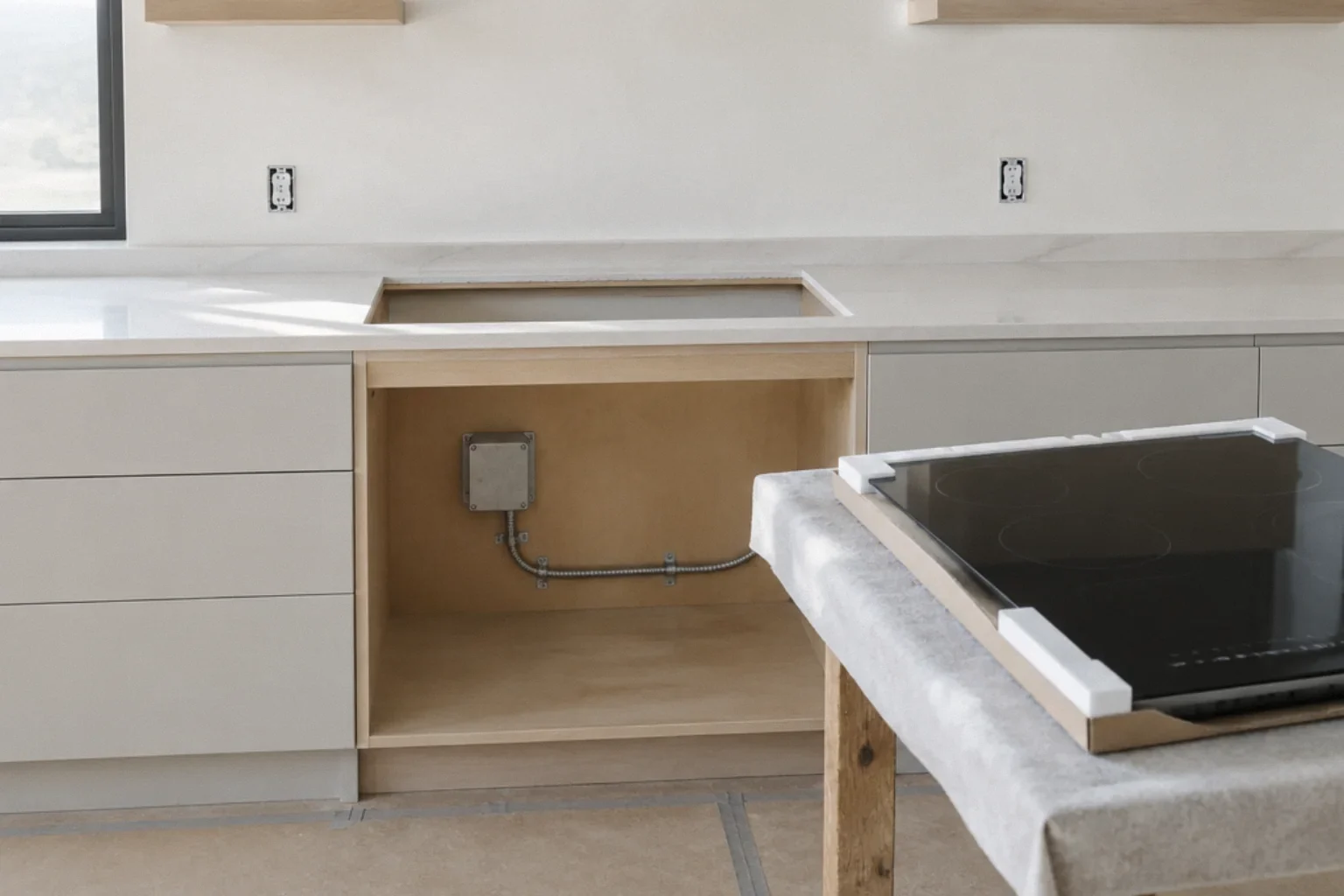
Switching From Gas to Induction: Circuit, Panel, Cookware and Kitchen Remodel Checklist
Conventional built-in induction cooktops and full-size ranges usually need a 240-volt circuit sized to the specific model, which can mean new wire, a breaker and sometimes panel work. Here is how to choose a model and plan the electrical, gas, hood and cookware changes during a remodel, including what California's Energy Code says about cooktop readiness.
Read guide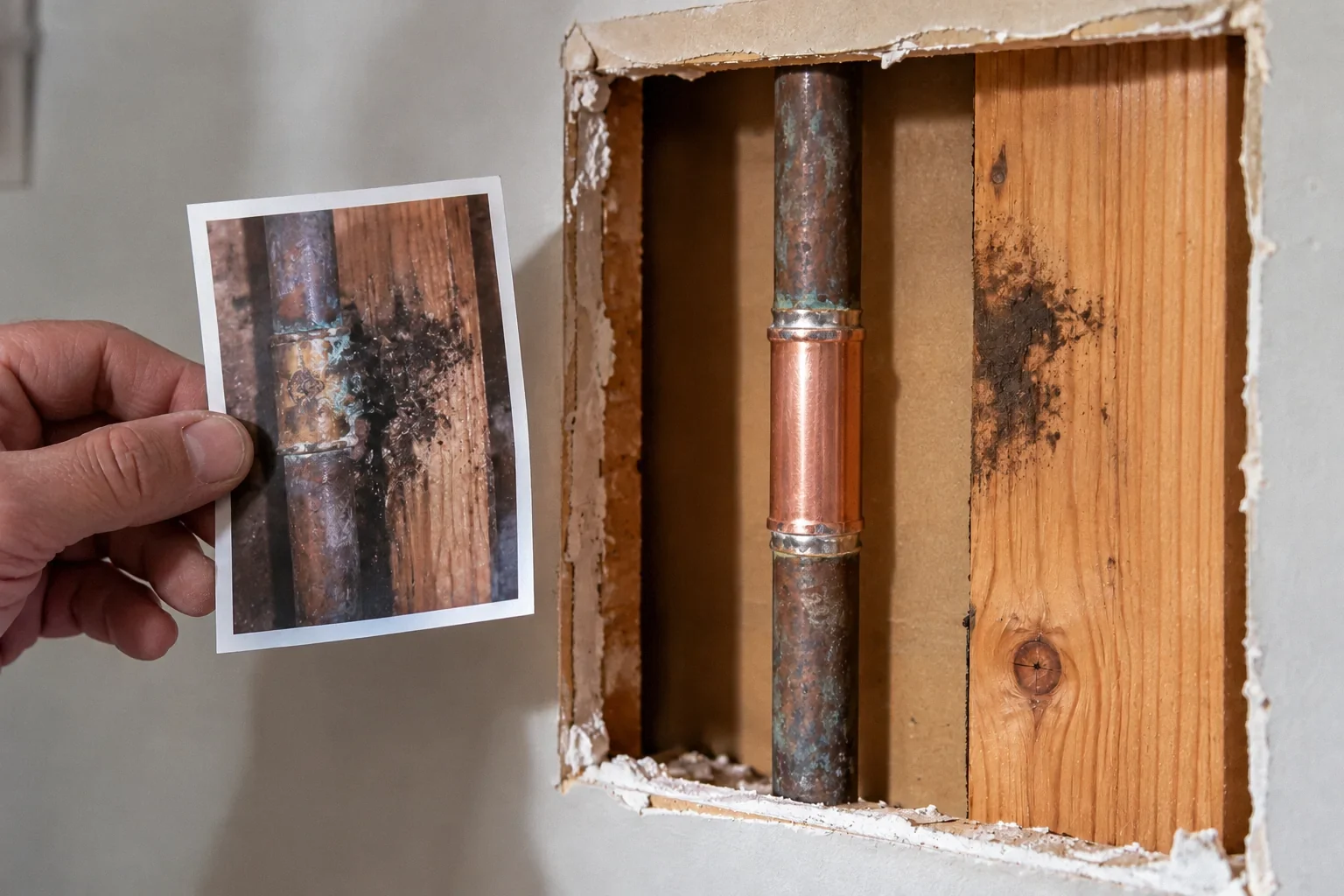
Do You Have to Disclose Repairs That Were Fixed? A California Seller's Guide to Past Leaks, Remodels and Repairs
California sellers often ask whether a leak, termite job or foundation repair that was fixed still needs to be disclosed. The Transfer Disclosure Statement asks about repairs and alterations, permits and past damage, and good faith favors telling the story with documents. Here is how to decide and how to write it.
Read guide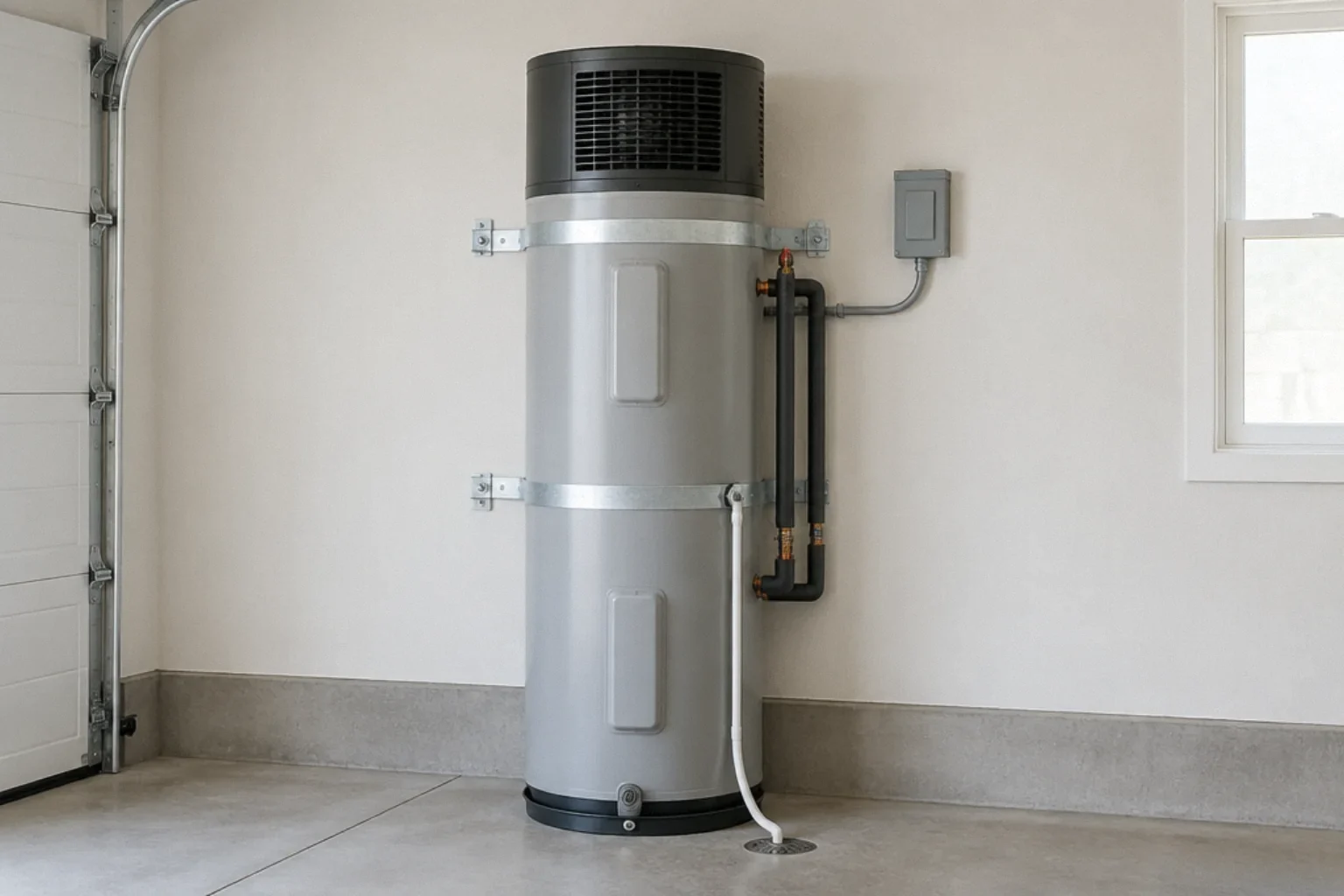
Switching to a Heat Pump Water Heater During a Remodel: Choosing the Model, Circuit, Location and Drain
Heat pump water heaters come in 240-volt models and newer 120-volt shared-circuit and dedicated-circuit models, and they differ in first-hour delivery, recovery and space needs. Here is how to compare models for your household, weigh lifetime costs without guesswork, plan the location, circuit and condensate during a remodel, and what Bay Area rules mean as of October 2026.
Read guide
What Insurance Should a Contractor Have in California? Workers' Comp, Liability and What Each Actually Covers
How to read a California contractor's workers' compensation and liability insurance disclosures, verify them, spot the 'exempt but has a crew' problem, and understand what liability insurance does not cover. Includes the 2028 workers' comp change.
Read guide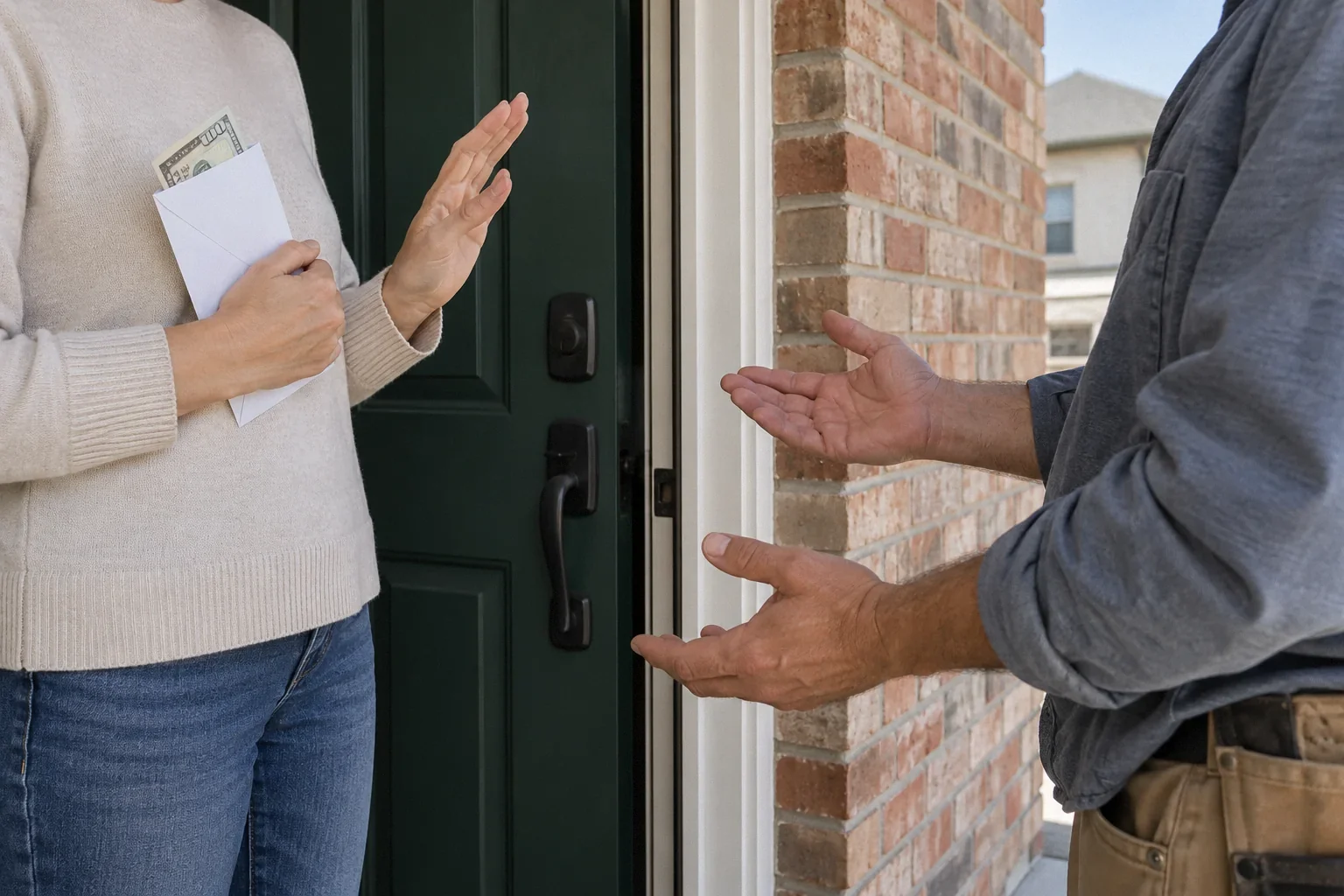
Contractor Scam Red Flags in California: How to Spot Them and What to Do Before You Pay
Cash-only demands, big deposits, verbal deals and contractors who want you to pull the permit are warning signs CSLB and homeowners describe again and again. Here is how to check a contractor quickly, what each red flag does and does not prove, and how to protect a Bay Area remodel before money changes hands.
Read guide
Which Contractor License Do You Need for a Remodel? B, B-2 and C Classifications Explained
California contractor licenses come in classifications, and the right one depends on the work. How the B general building, B-2 residential remodeling and C specialty licenses differ, with remodel scenarios and how to check a license covers your job.
Read guide
Should You Pull an Owner-Builder Permit in California? What You Take On When You Sign
An owner-builder permit makes you the party legally and financially responsible for the work. What California's owner-builder exemption allows, what the permit notice makes you acknowledge, and when a contractor's suggestion to 'just pull it yourself' is a warning sign.
Read guide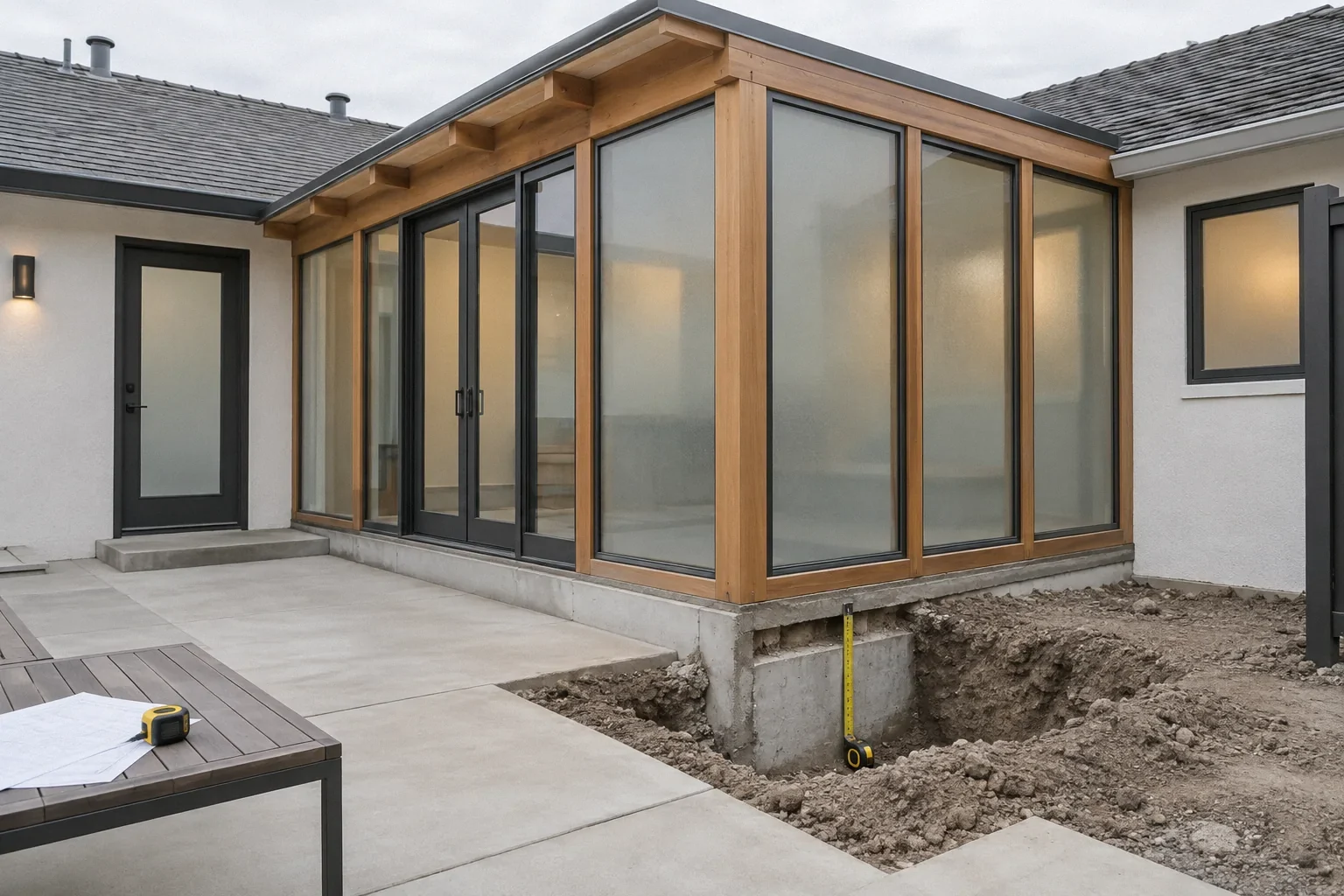
Unpermitted Addition on a Bay Area House: Can It Be Legalized, and What Should a Buyer or Heir Do?
An unpermitted addition or sunroom raises bigger questions than an unpermitted bathroom: foundations, bedroom escape openings, setbacks and square footage. Here is how to evaluate one before buying or after inheriting, what legalization usually involves, and when removal is the realistic answer.
Read guide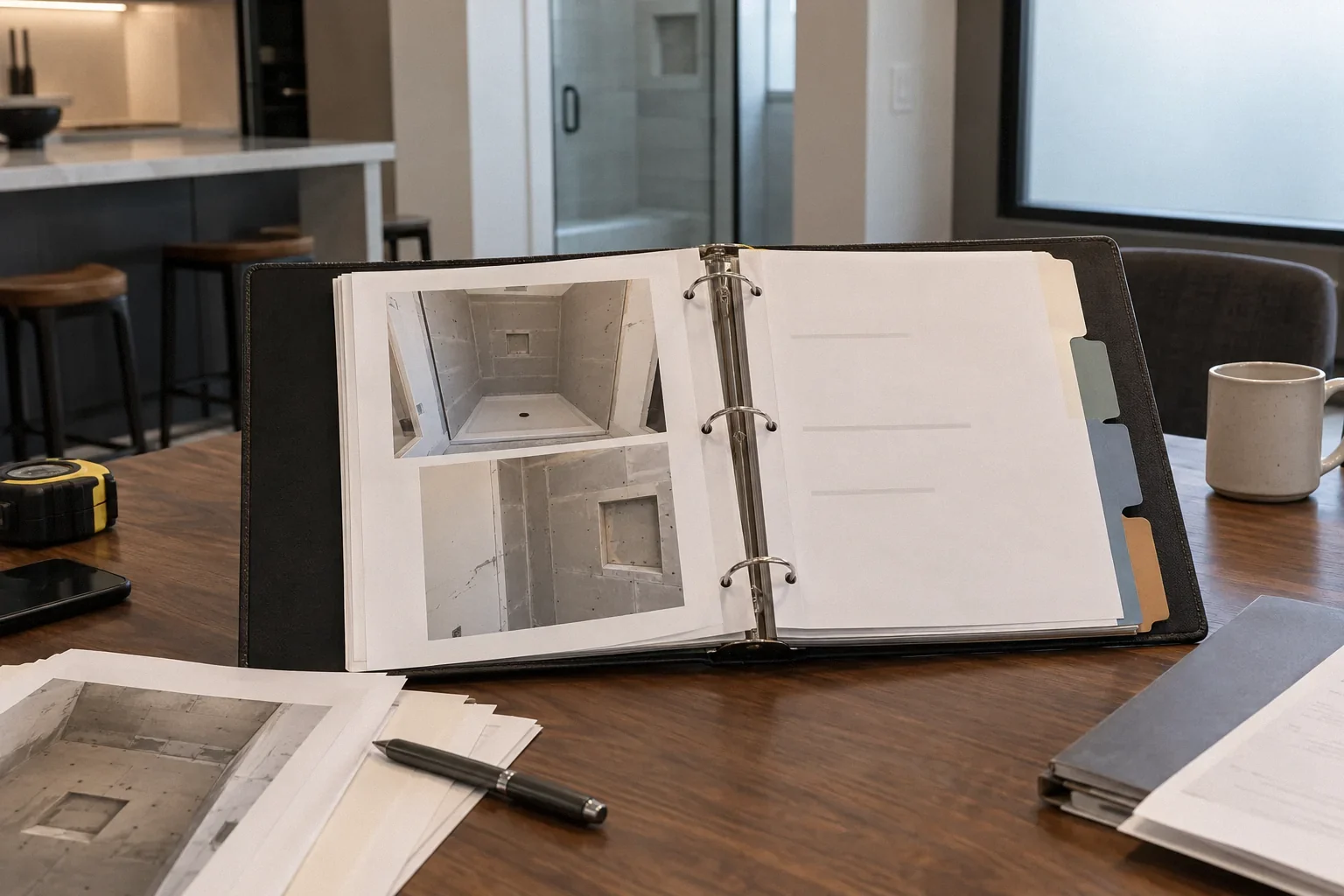
Taking a Contractor to Small Claims Court in California: Limits, Evidence and When to Choose Another Route
Small claims can resolve contractor disputes up to $12,500 for individuals without lawyers, but you must prove your damages and collect the judgment yourself. How to decide, what to file, how to build the evidence, and how it compares with CSLB arbitration and bond claims.
Read guide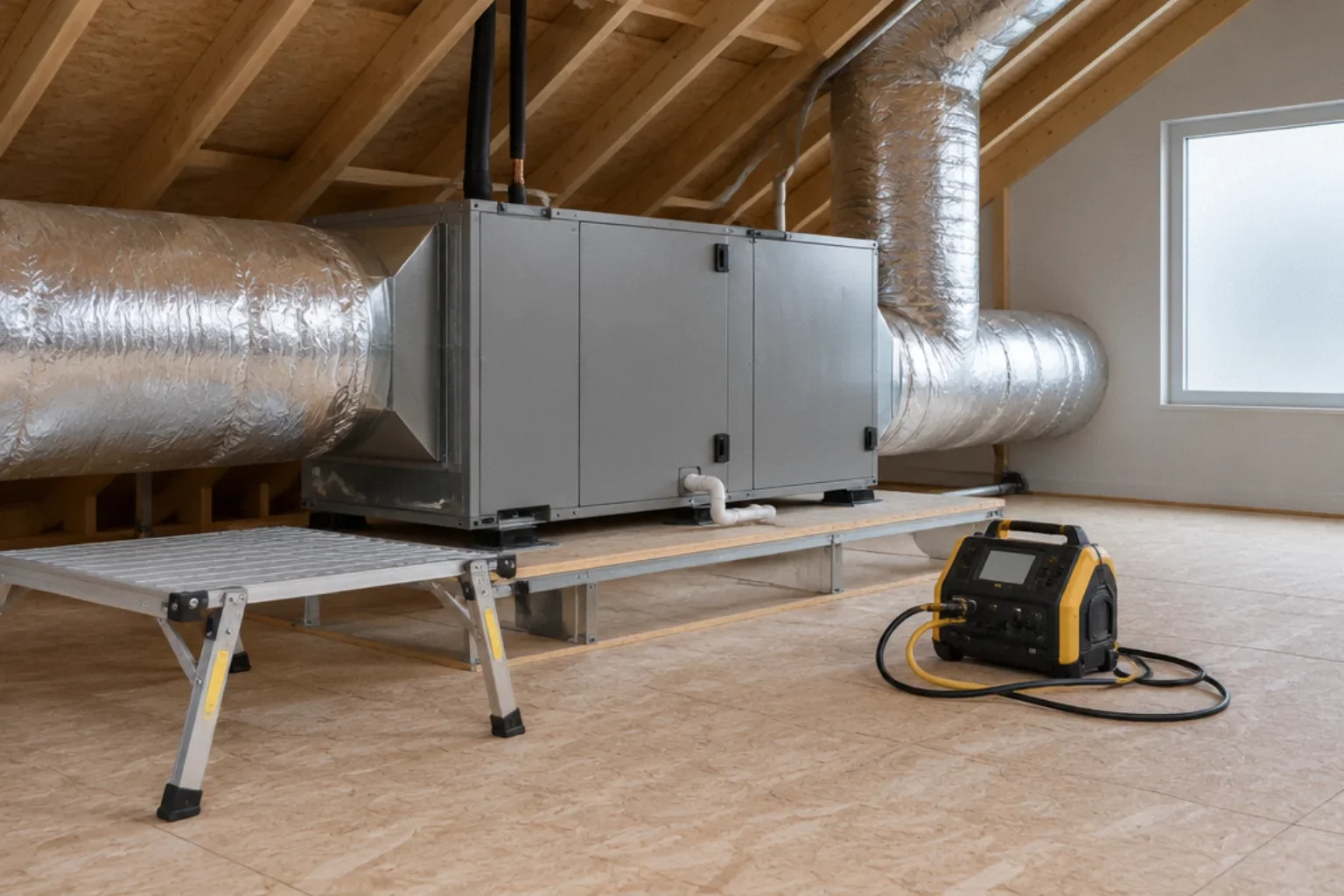
Replacing a Furnace With a Heat Pump During a Remodel: Sizing, Ducts, Electrical and California Requirements
A remodel can be the right time to replace a gas furnace with a heat pump, because walls, ceilings and electrical work are already open. Here is how to choose between ducted and ductless systems, why load calculations and duct testing matter, what California's 2025 Energy Code requires, and how to evaluate quotes.
Read guide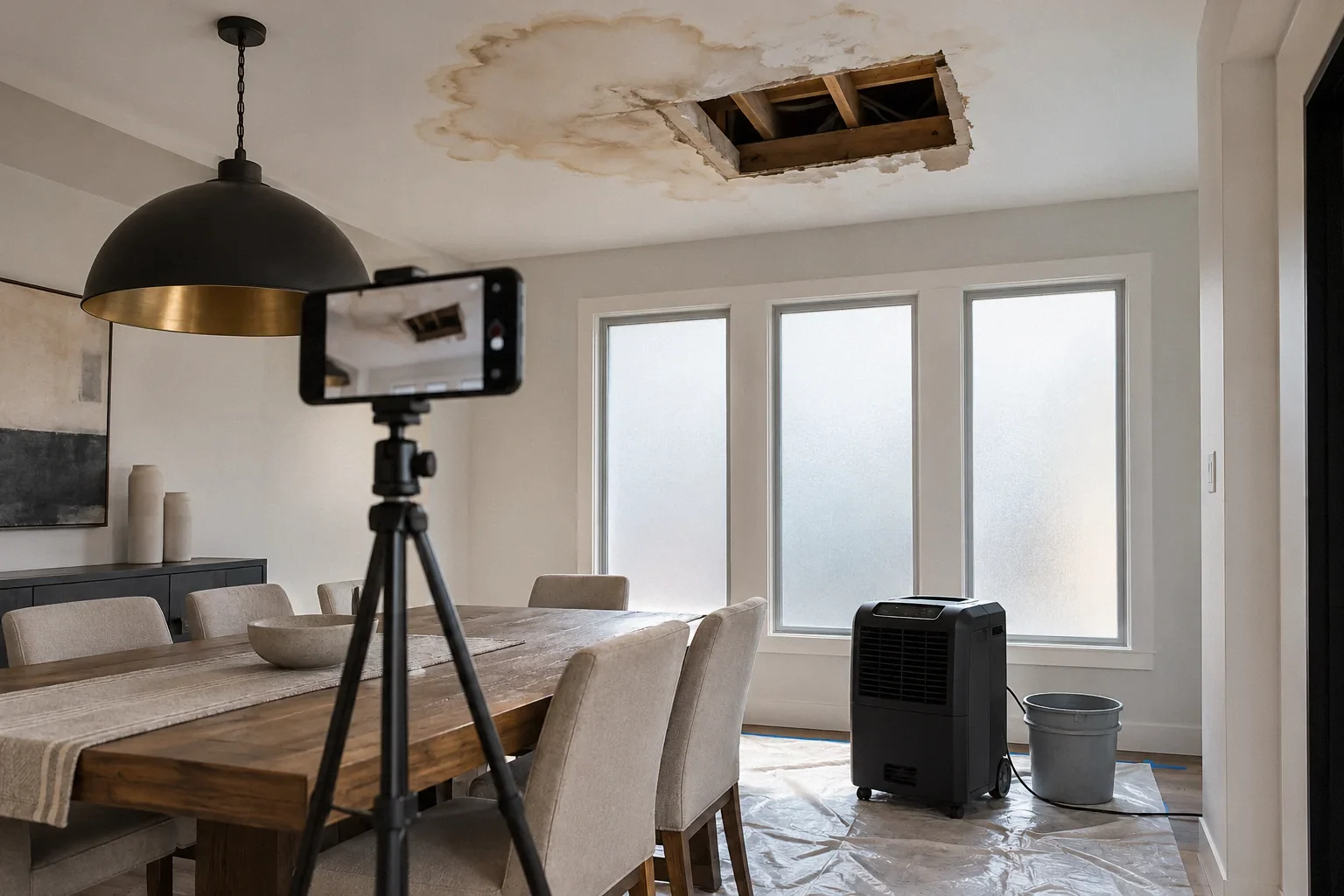
Contractor Damaged Your House During a Remodel? Documenting It and Getting It Repaired
Fences hit by deliveries, floors flooded by a plumbing mistake, drywall cracked in rooms outside the scope. How to document collateral damage, notify the contractor and insurers, separate it from defective work, and choose a path to repair.
Read guide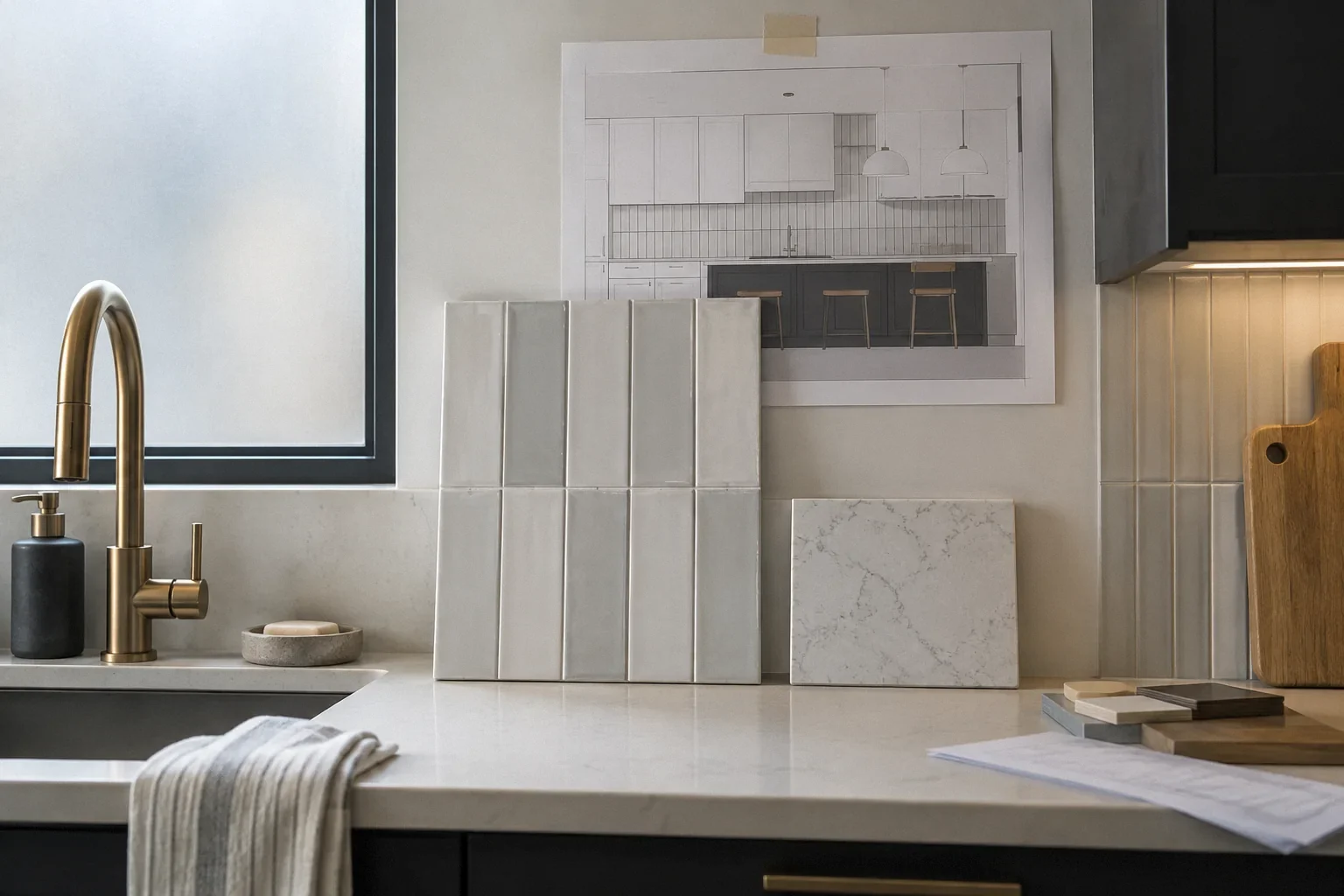
When the Finished Remodel Doesn't Match the Rendering: Preventing and Resolving Design-Intent Disputes
Renderings sell a vision; drawings, specifications and approvals decide what gets built. How to make design intent enforceable, catch mismatches before they are permanent, and respond when the result differs from what you approved.
Read guide
How Long Is a Contractor Responsible for Defects in California? Warranties, CSLB Deadlines and Lawsuit Time Limits
There is no single number. A contractor's written warranty, CSLB's complaint jurisdiction and the different court deadlines for contract, property damage, patent and latent defects all run on their own clocks. Here is how they fit together for a California remodel, with worked examples.
Read guide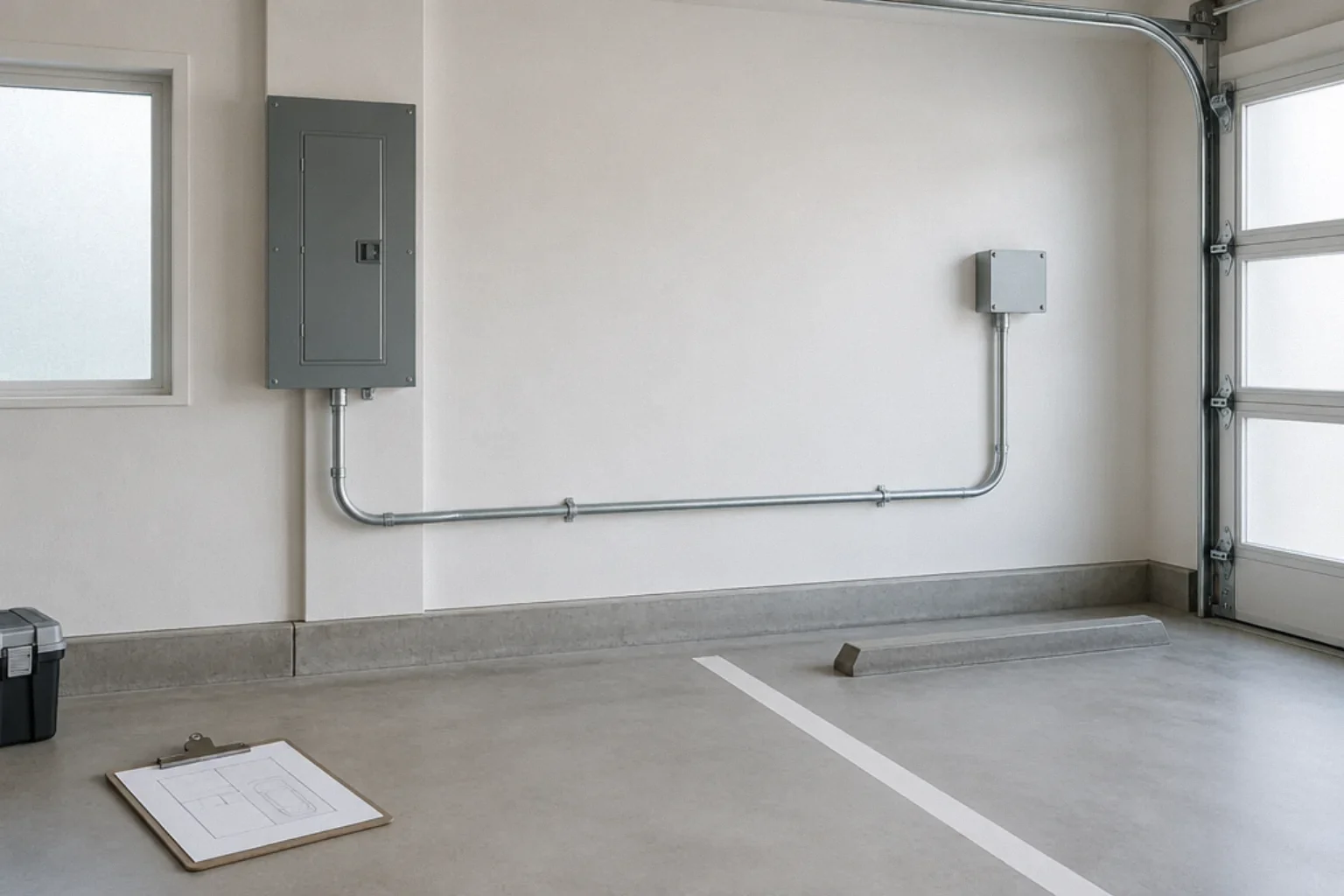
Adding EV Charger Wiring During a Remodel: Level 1, Level 2, Load Calculations and What to Rough In
If a garage, wall or driveway is already open, a remodel is a good time to prepare for EV charging. Here is how Level 1 and Level 2 differ, how Bay Area permit offices treat EV loads under the 2025 California Electrical Code, how load management and reduced charger settings actually have to be done, and what to rough in if you are not buying a car yet.
Read guide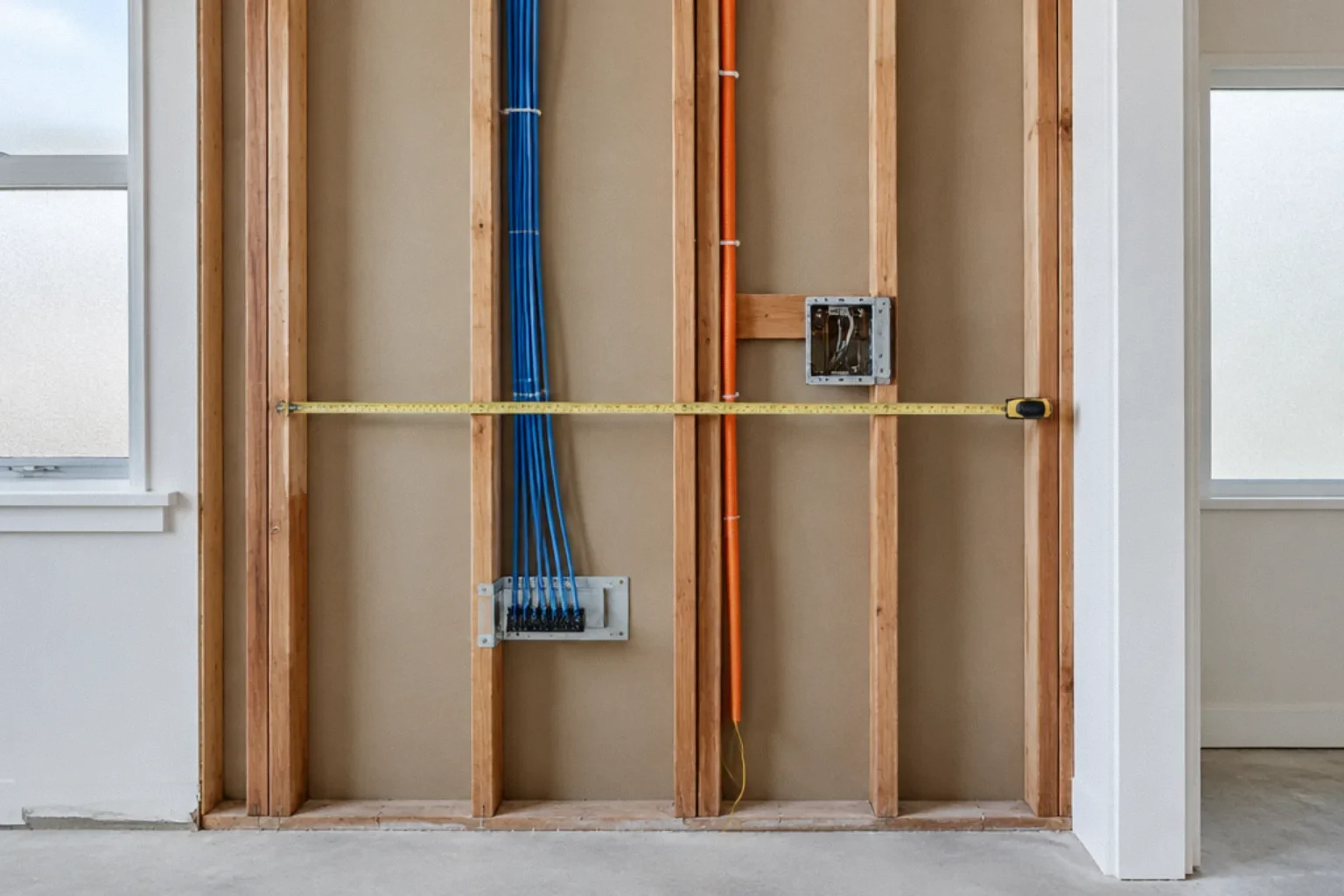
What to Prewire During a Remodel: Ethernet, Conduit, Switch Boxes and Low-Voltage Planning
Open walls are the cheapest moment to add network cabling, conduit and roomier switch boxes. Here is how to build a prewire plan around how you will actually use your home, which California code points touch it, the practical limits of conduit, and how to test, label and hand off the work so it stays useful.
Read guide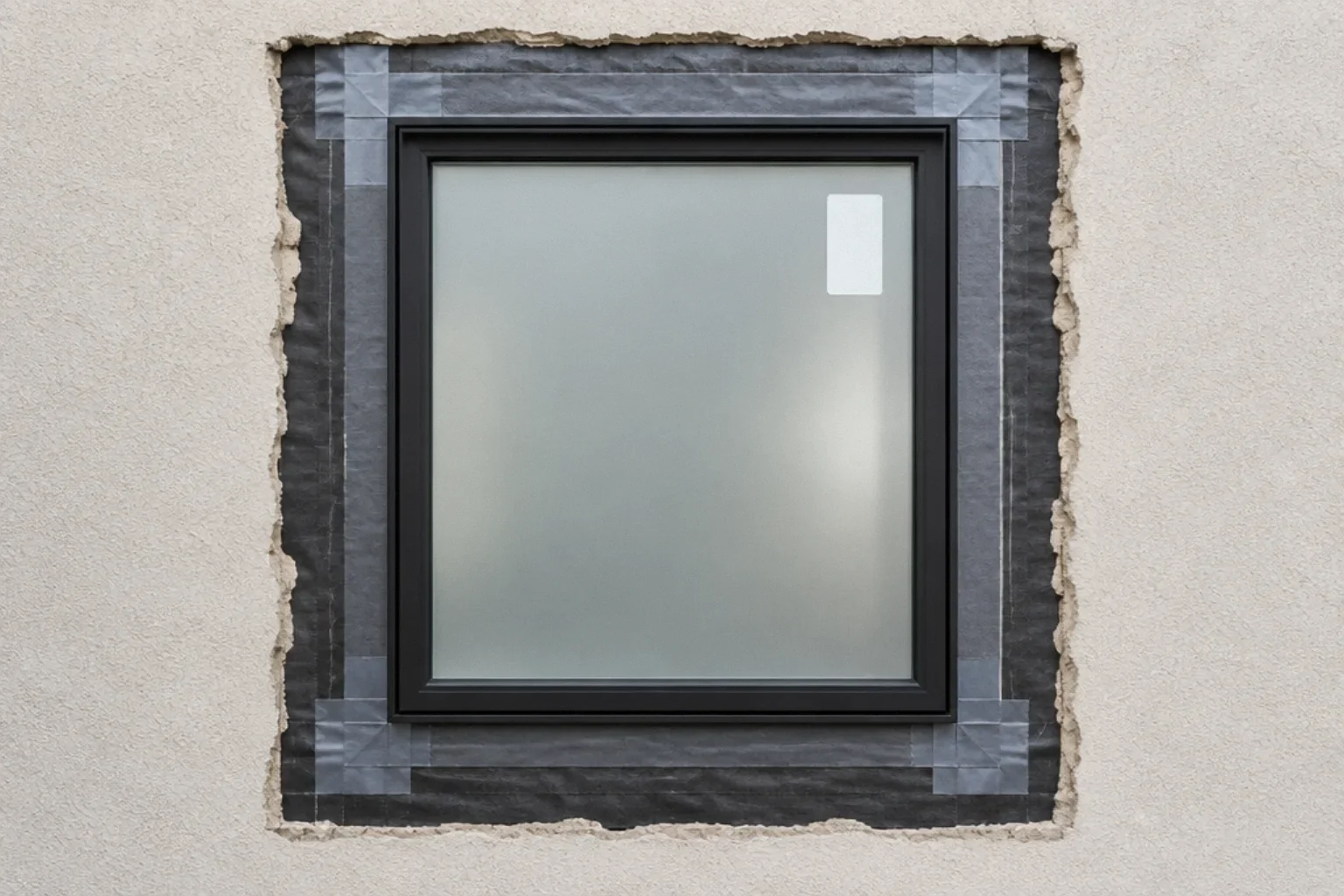
Window Replacement Requirements in California: Energy Code, Safety Glass, Egress, and How to Plan the Job
Replacing windows in California involves Energy Code performance values, safety glazing, bedroom escape openings and installation details that keep water out. Here is how the rules work under the 2025 codes, how to decide between insert and full-frame replacement, what to measure before you shop, and the stucco and moisture trade-offs to discuss with your installer.
Read guide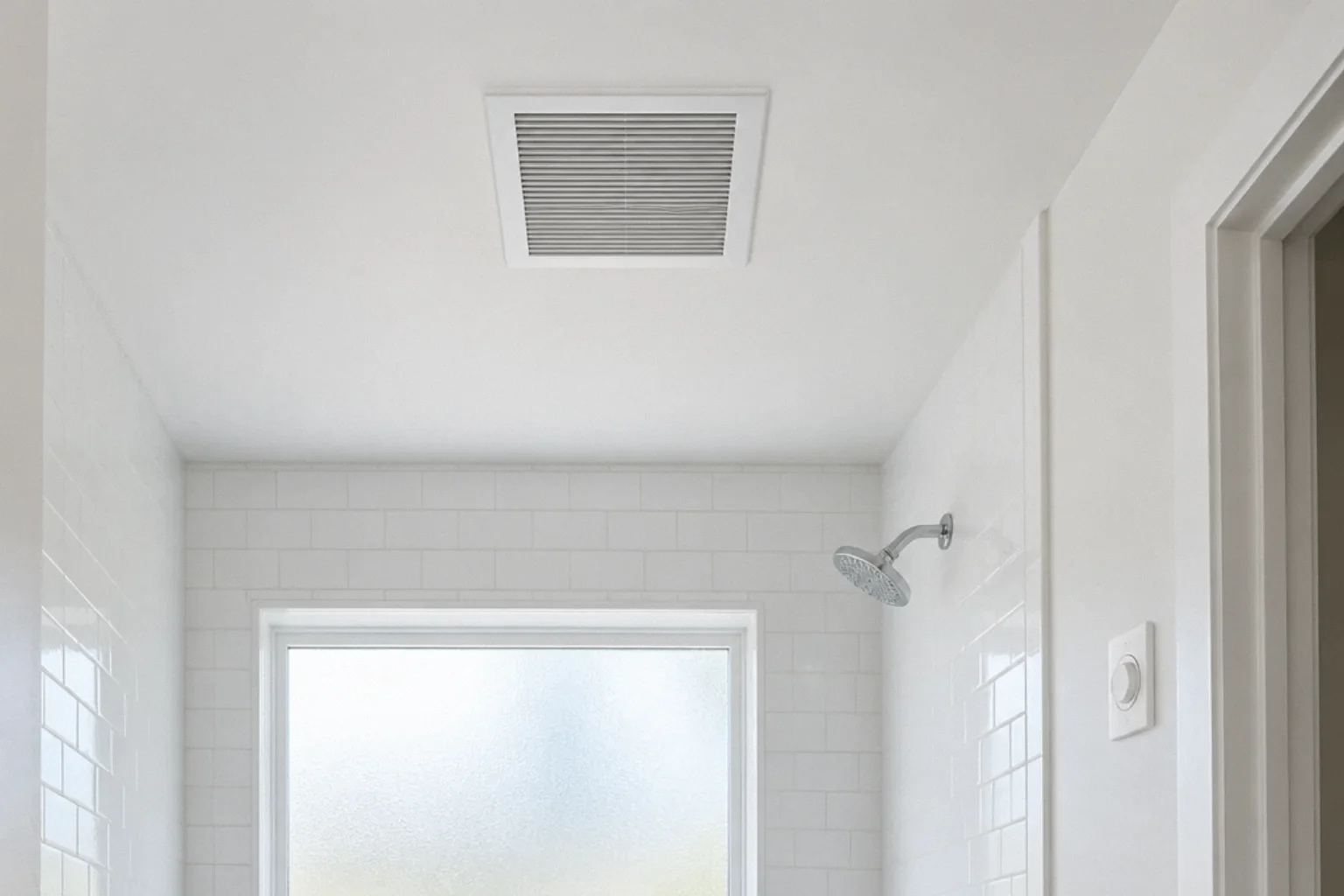
Bathroom Exhaust Fan Requirements in California: Venting Outside, Humidity Control, Airflow and Duct Mistakes
A bathroom fan only works if it moves enough air, runs long enough, and discharges outdoors through a proper termination. California's 2025 CALGreen code sets fan and humidity-control rules whose reach in a remodel depends on scope and local amendments. Here is how to plan the fan, duct route, controls and handoff during a remodel.
Read guide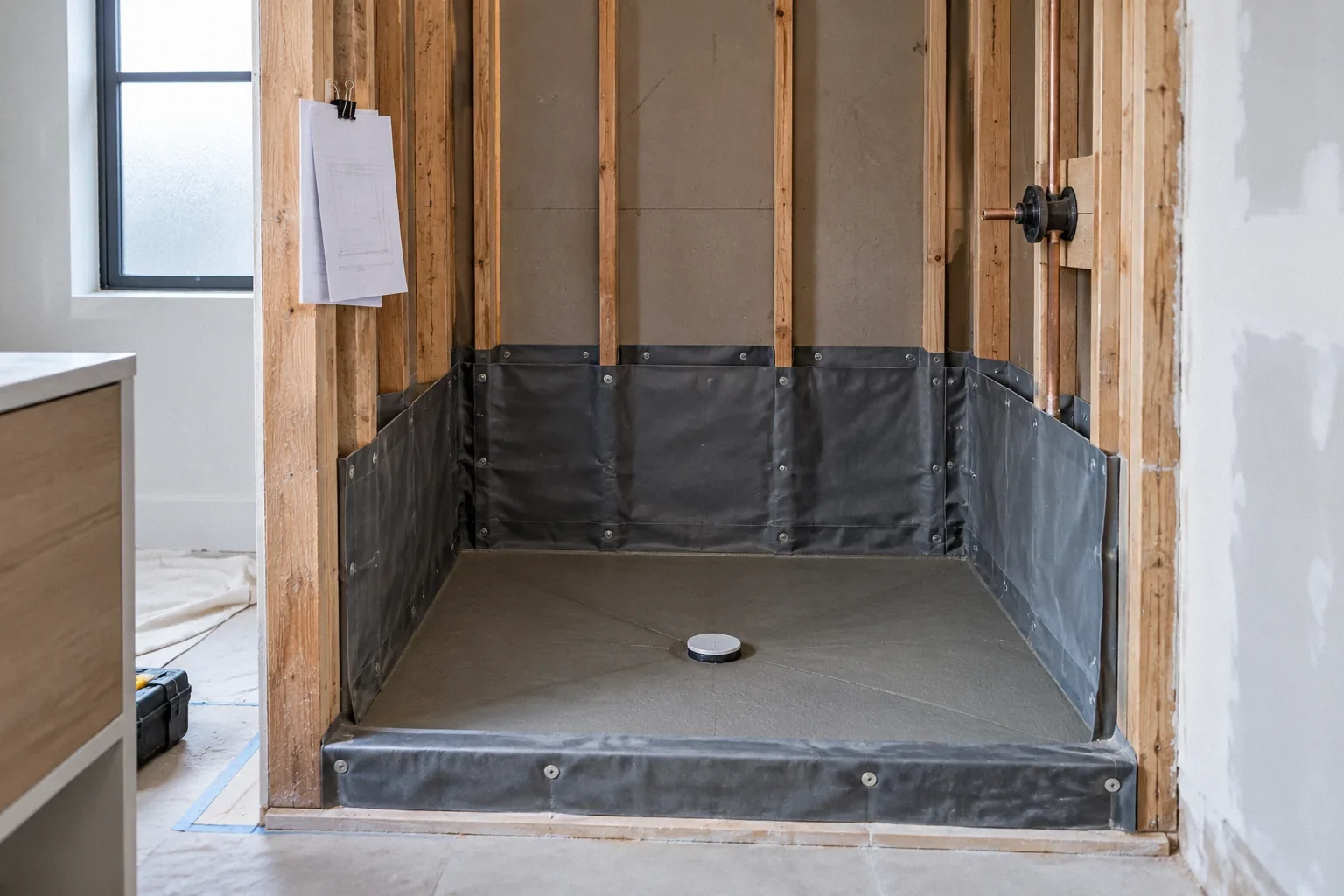
Do You Need a Permit to Retile or Rebuild a Shower in the Bay Area?
Regrouting is maintenance; tearing out a shower to the studs and rebuilding the pan and waterproofing usually isn't 'cosmetic'. How Bay Area building departments treat shower work, what the inspector checks, and how to decide before demolition.
Read guide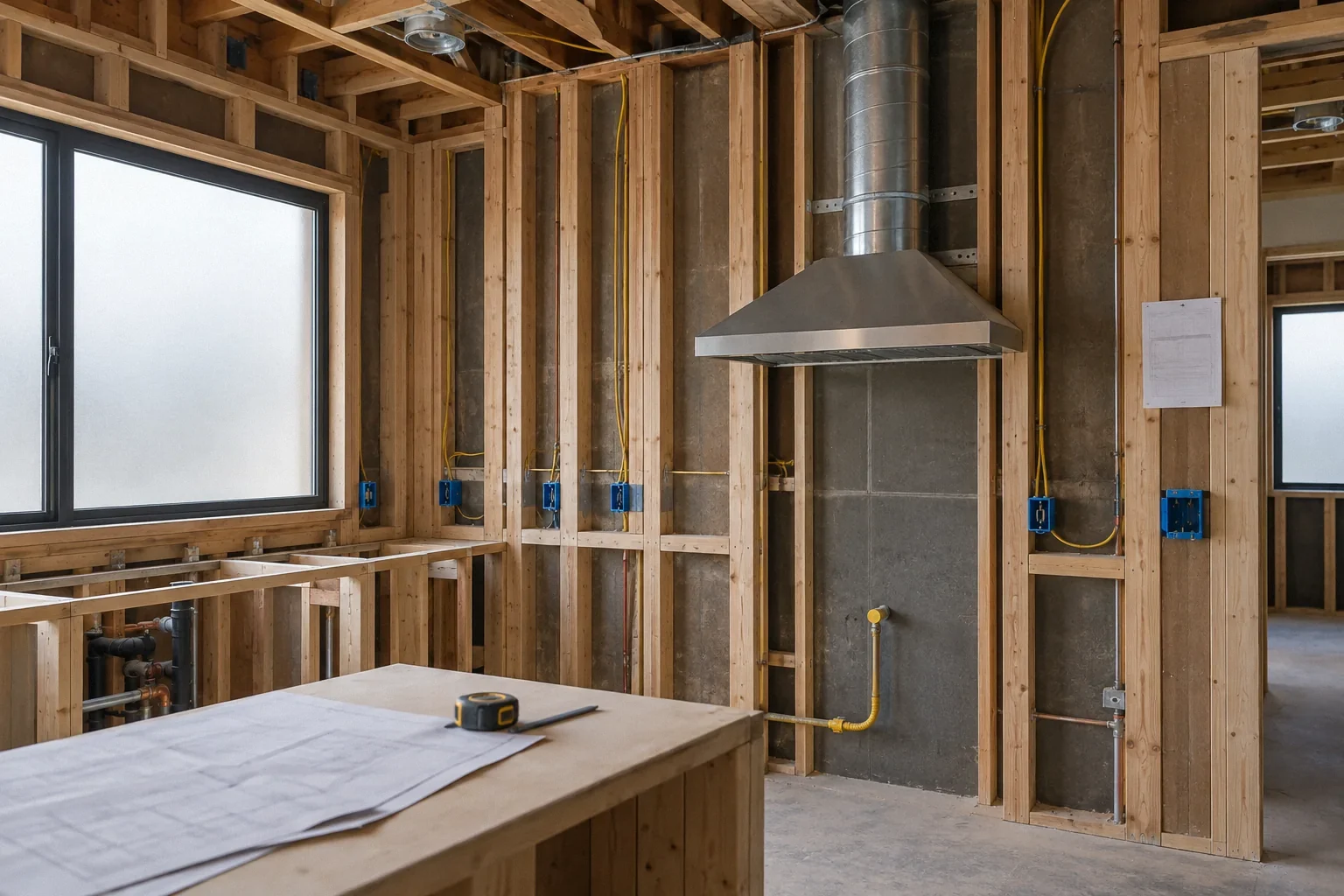
Kitchen Remodel Permit Requirements in California: What Inspectors Look For, System by System
A plain-language walk through what a permitted California kitchen remodel typically has to satisfy under the 2025 codes: plans, electrical circuits and receptacles, ventilation, lighting, plumbing and water-efficient fixtures, and the inspection sequence, using a current Bay Area city handout as the worked reference.
Read guide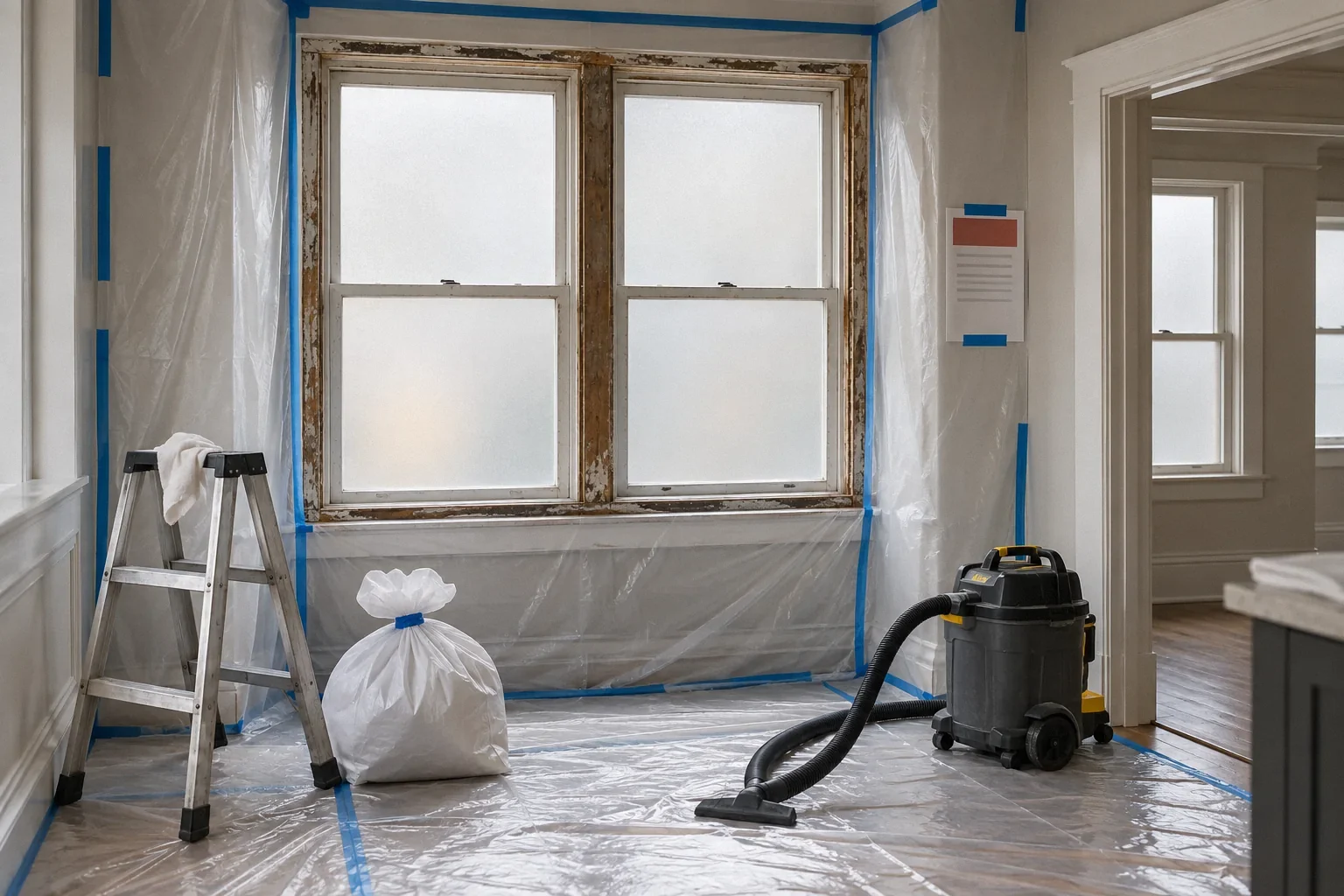
Lead-Safe Renovation Rules for Older Bay Area Homes: EPA RRP, California Title 17 and What They Mean for You
If your home was built before 1978, federal rules require certified firms and renovators for paid work that disturbs lead paint, and California requires lead-safe work practices from everyone, including homeowners. Here is how the two layers fit, how to hire, and how to protect children during the job.
Read guide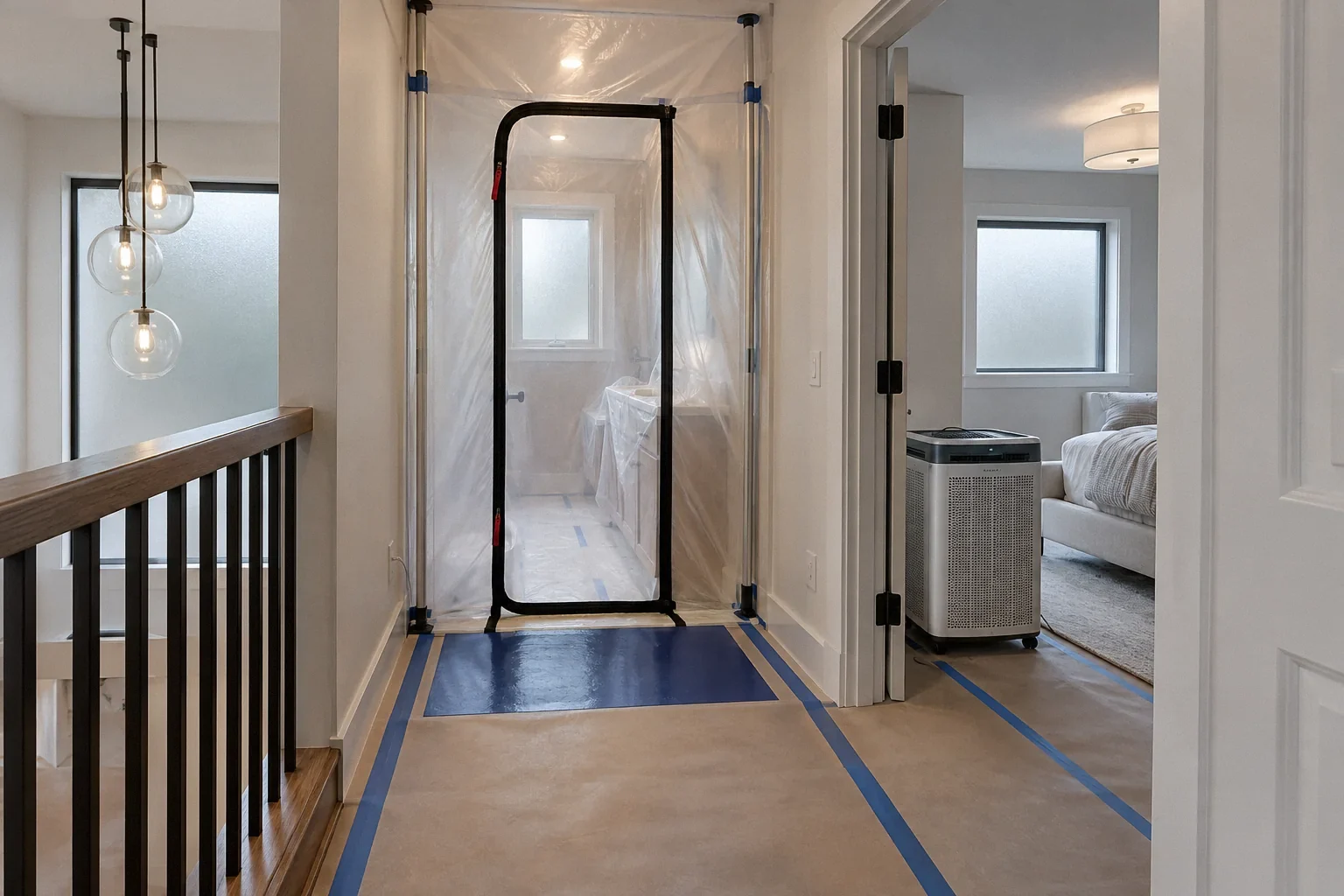
How to Keep Construction Dust Out of the Rest of the House During a Remodel
Plastic sheeting alone often fails where it matters: ceilings, closets, return air and the path workers walk. Here is a practical dust-control plan for living at home during a Bay Area remodel, what to put in the contract, where air purifiers help and where they don't, and when dust is a hazard question, not just a cleaning one.
Read guide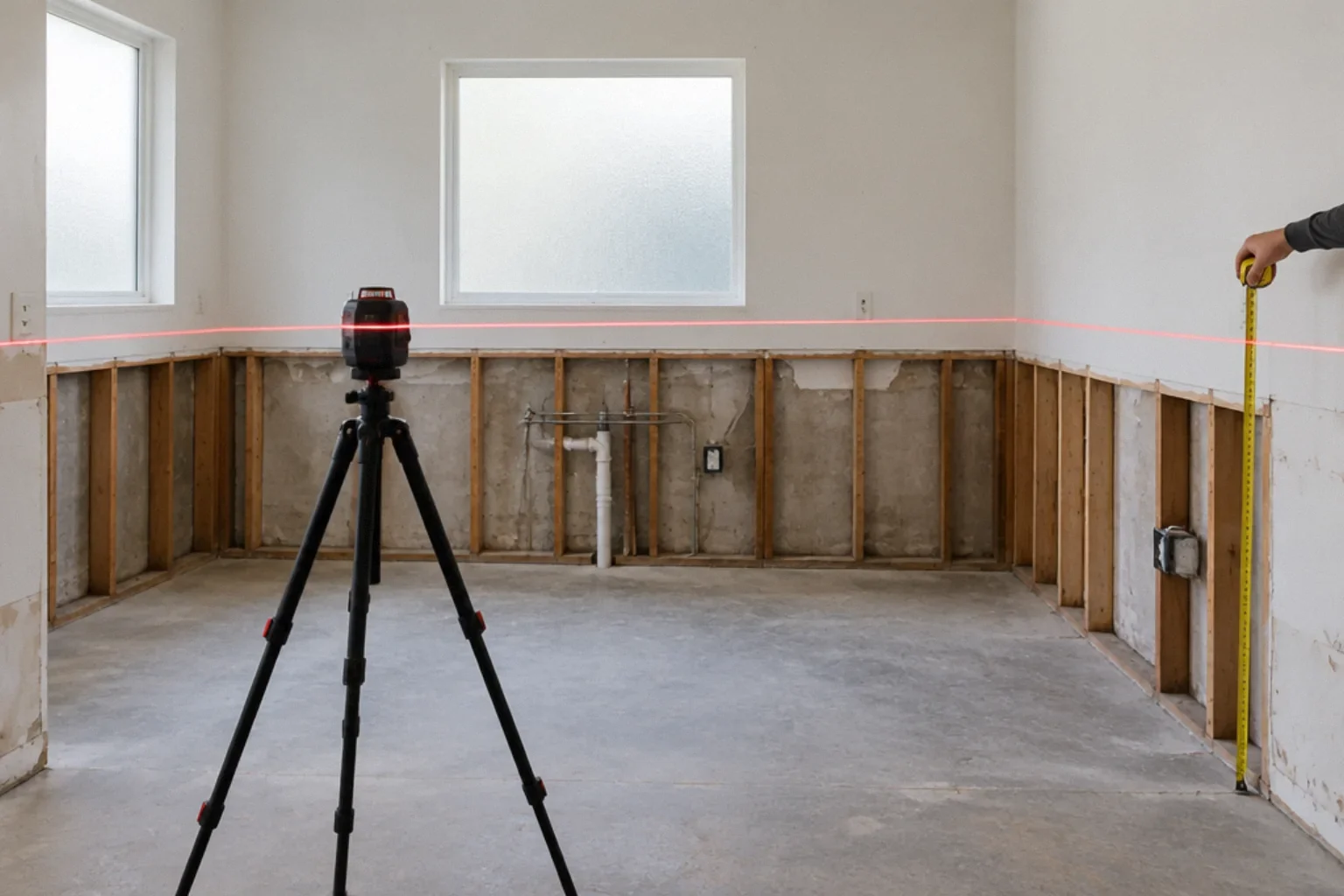
Do You Need a Laser Level for a Remodel? What It Does Well, How Accurate It Is, and How to Check It
A self-leveling cross-line laser makes layout faster for tile, cabinets, framing and checking floors, and it is a useful way for owners to sanity-check work. Here is how to read accuracy specs, how to verify a laser against a reference, safety rules from the manual and FDA, and when a spirit level or straightedge is the better tool.
Read guide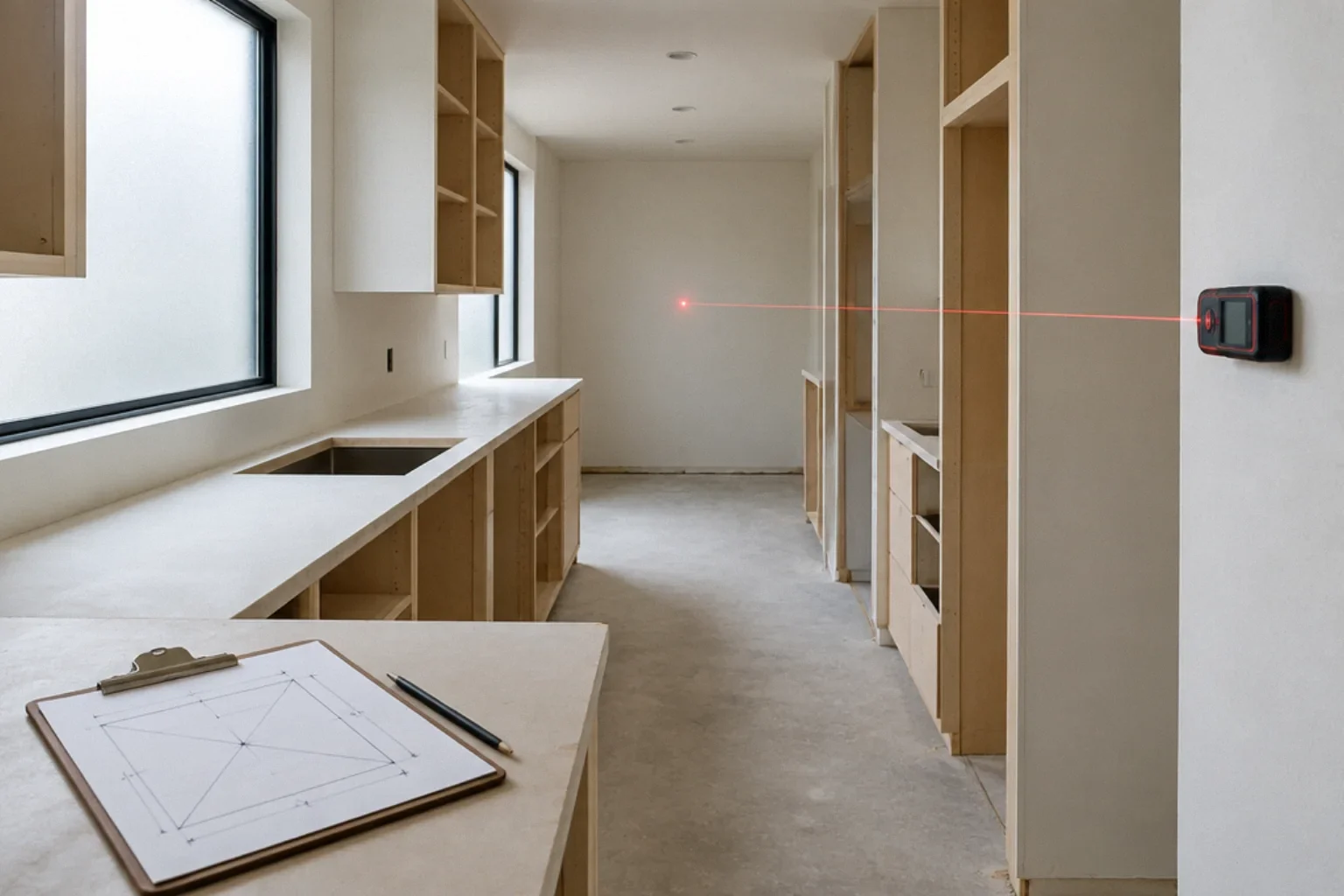
Using a Laser Measure for Remodel Planning: Accuracy, Pitfalls and a Measuring Routine That Holds Up
A laser distance measurer makes it fast to measure rooms, ceilings and openings for planning, quotes and orders. It also has blind spots: reference-point settings, glass and shiny surfaces, bright light, and the difference between a room dimension and a buildable dimension. Here is how to use one well and when to switch back to a tape.
Read guide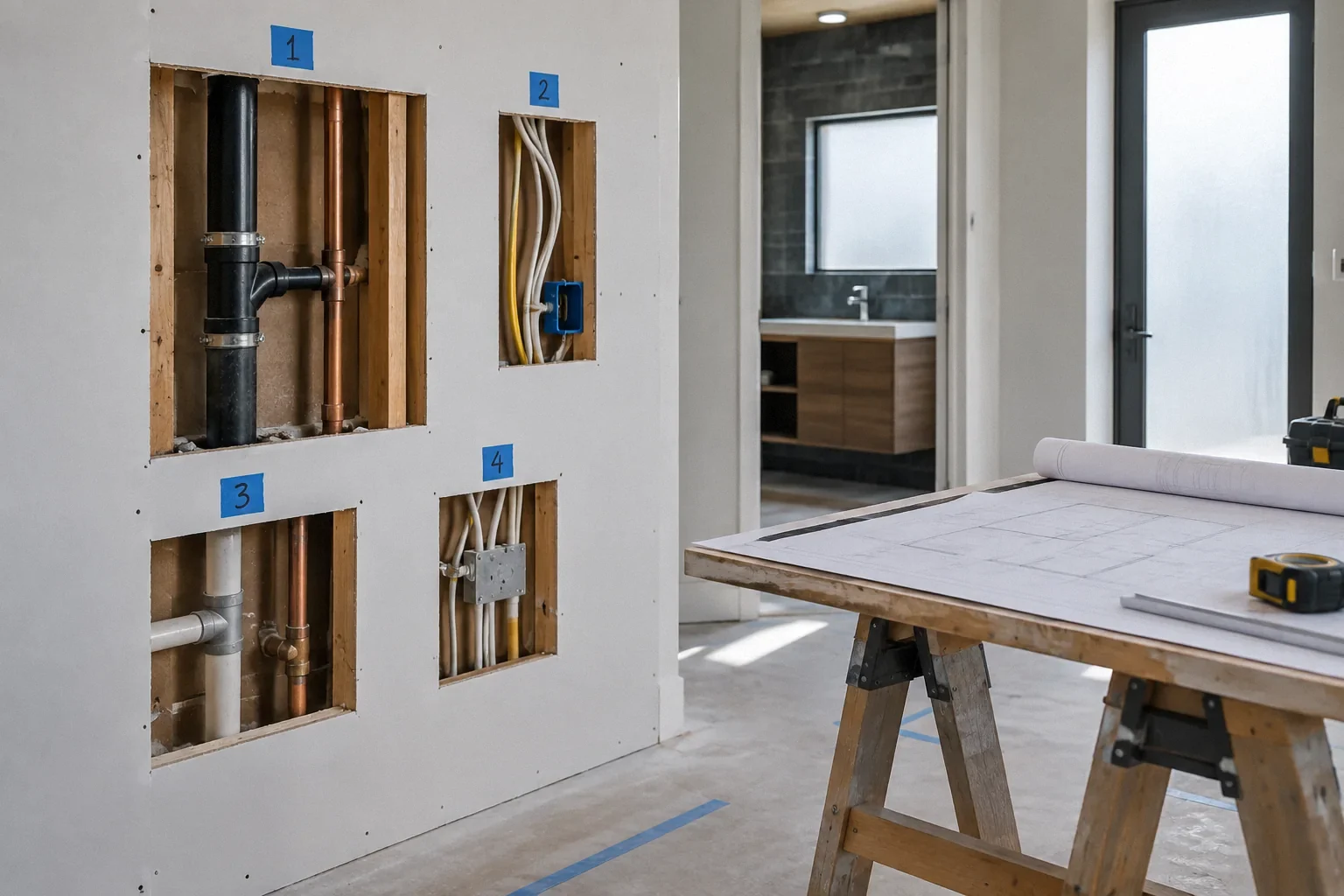
How to Legalize Unpermitted Work in the Bay Area: Process, Costs to Expect and When It May Not Be Possible
Legalizing a previous owner's unpermitted bathroom, kitchen, garage conversion or addition usually means plans, opening walls, inspections and corrections. How the process works, how penalties can differ when the city finds it first, California's special path for older unpermitted ADUs, and how to decide.
Read guide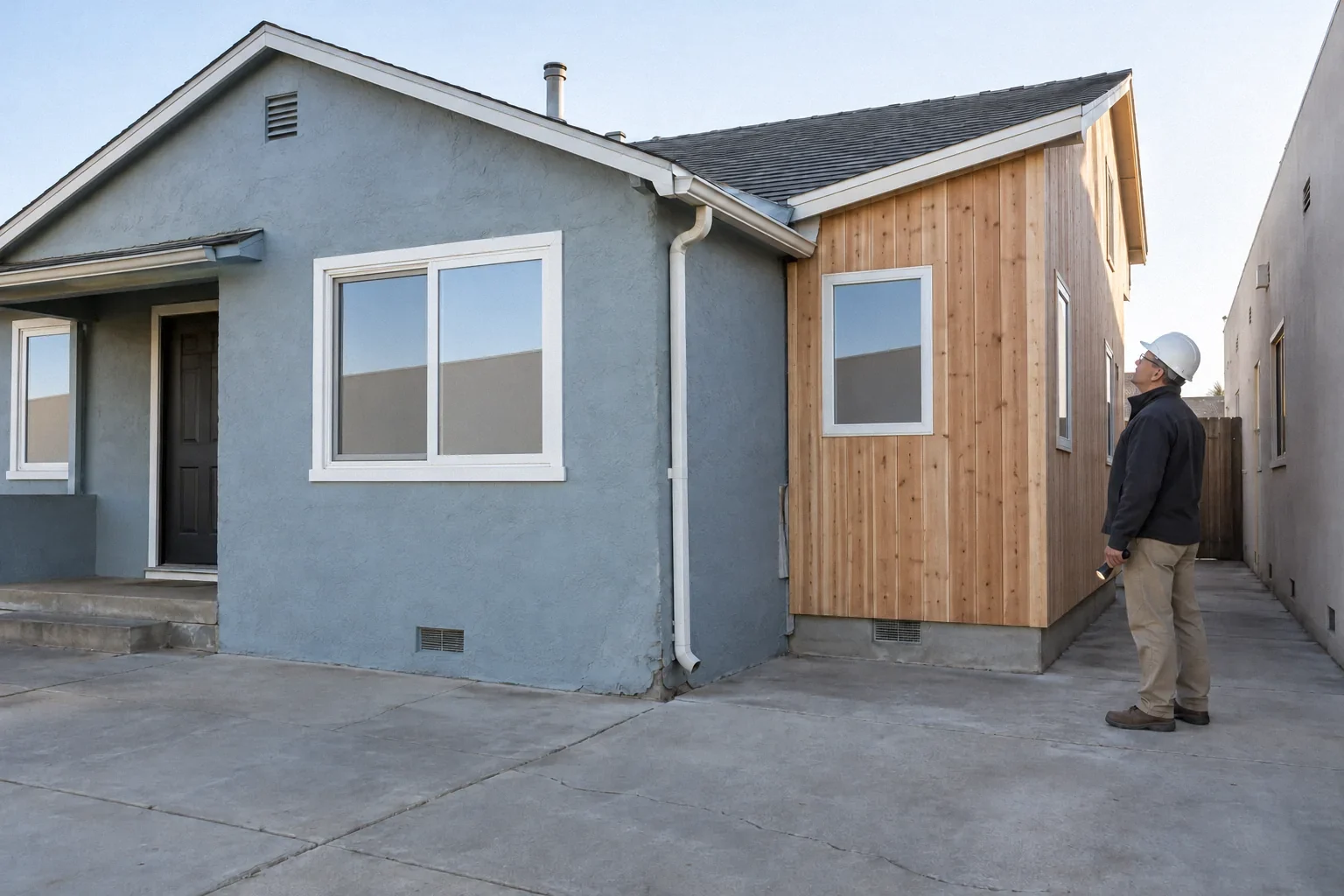
'It Was Like That When I Bought It': Unpermitted Work, Disclosure, and Why Concealment Backfires
Forum advice to blame unpermitted work on a previous owner, or to hide it from inspectors, is a red flag, not a strategy. What California disclosure law expects of sellers, how buyers can spot concealment, and the honest paths for owners: disclose, legalize, correct or remove.
Read guide
Is Quartz Countertop Fabrication Banned in California? Engineered Stone, Silica Rules and What Homeowners Should Ask in 2026
As of early October 2026, California has not banned engineered stone countertops, but it regulates how shops cut them, requires fabricator training attestations, and Cal/OSHA has circulated a draft emergency rule that would prohibit fabricating high-silica artificial stone. Here is the status, what it means if you already have quartz, and how to choose and buy responsibly.
Read guide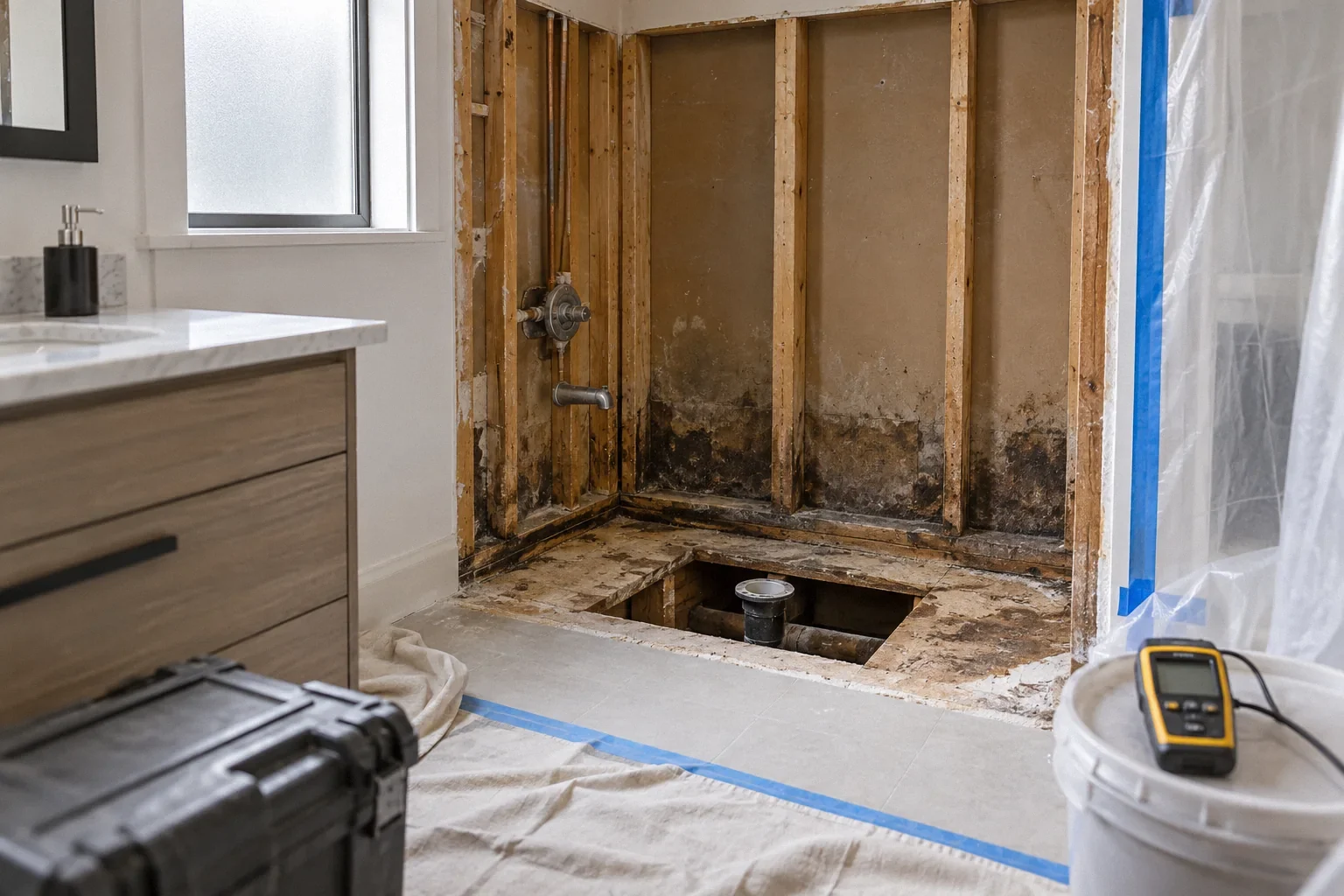
Found Mold When Opening a Wall During a Remodel? What to Do Next
Opening a bathroom or kitchen wall and finding mold, rot or wet framing is common enough that it belongs in every remodel plan. Here is how to pause safely, find and fix the moisture source, decide between your crew and a remediation contractor using EPA guidance, and handle the change order and permit side.
Read guide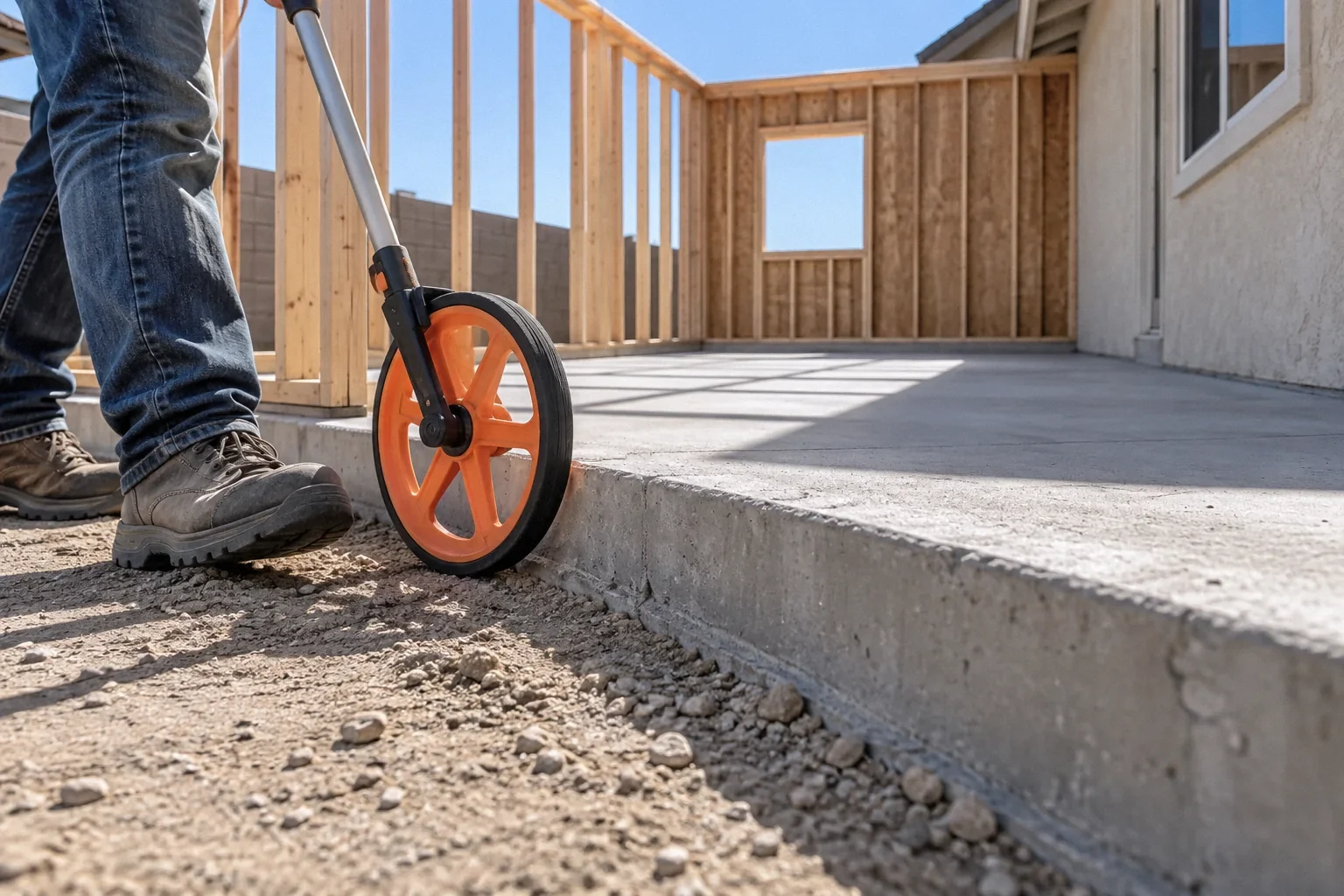
Will a Remodel or a Permit Raise Your Property Taxes in California? How New Construction Assessment Works
Under Proposition 13, an ordinary remodel doesn't automatically reset your whole assessment. Assessable new construction, not the permit itself, is what can add value. What counts as new construction, what is excluded as maintenance, and how supplemental bills work.
Read guide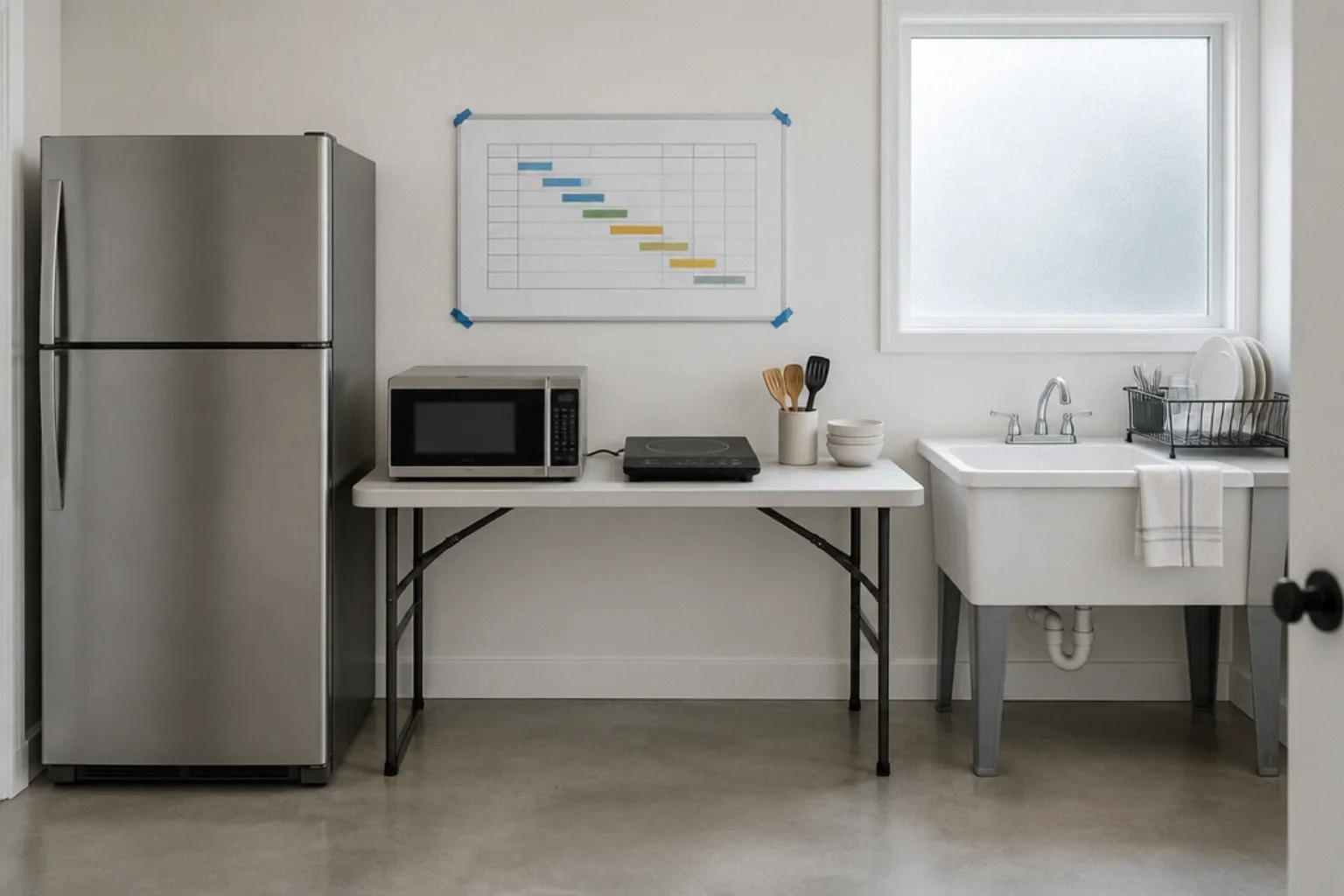
Living at Home During a Kitchen Remodel: A Practical Plan for Families
Staying home through a kitchen remodel saves rent but costs time, patience and, if the house is old, careful dust control. Here is how to set up a temporary kitchen, plan around each phase and inspection, protect kids, and write the schedule and site rules into the contract.
Read guide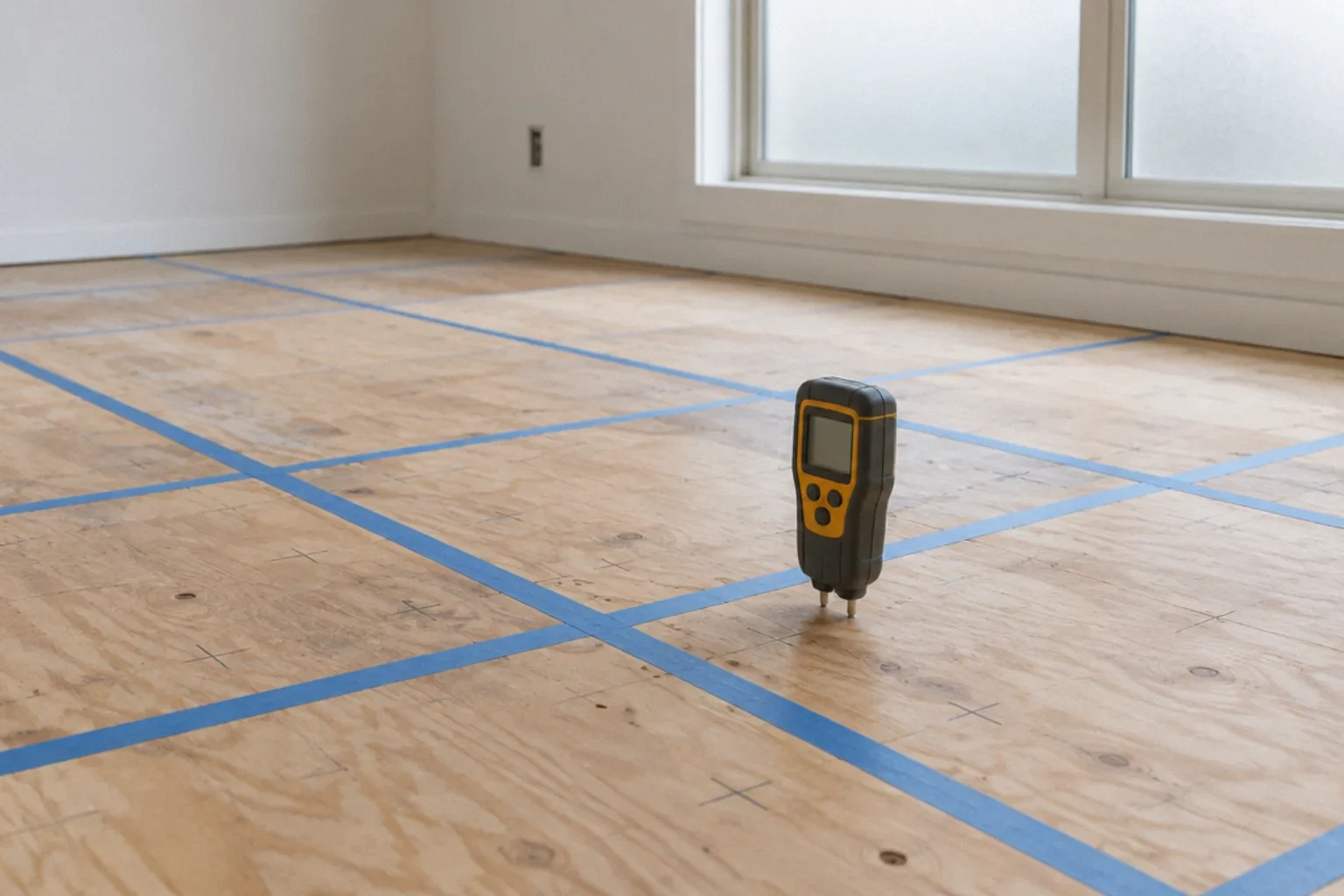
How to Use a Moisture Meter Before Flooring, After a Leak, or While House Hunting
A moisture meter is useful for checking wood subfloors and framing, mapping a suspected leak, and comparing suspicious spots with dry areas. It is easy to misread. Here is how pin and pinless meters differ, what a reading of '100' may mean, which targets come from code and manufacturer instructions, and when to call a professional instead.
Read guide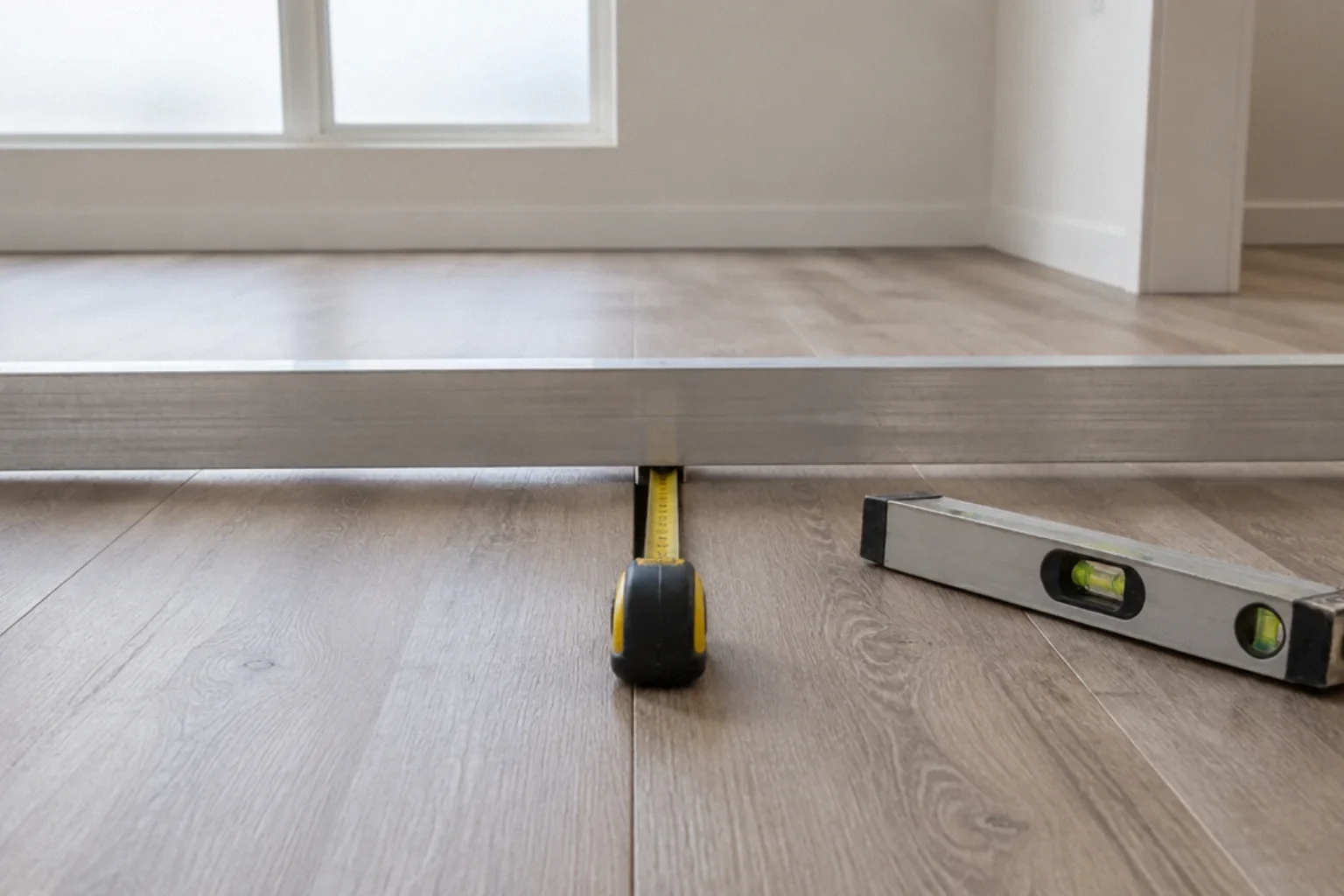
How to Check if Contractor Work Is Level, Flat and Square, and What to Do With What You Find
A straightedge, level, tape and a few simple methods let homeowners check floors, tile, cabinets and openings against the actual tolerance that applies. Here is how to measure fairly, which tolerances come from manufacturers and industry standards, how lighting can exaggerate defects, and how to raise a concern productively.
Read guide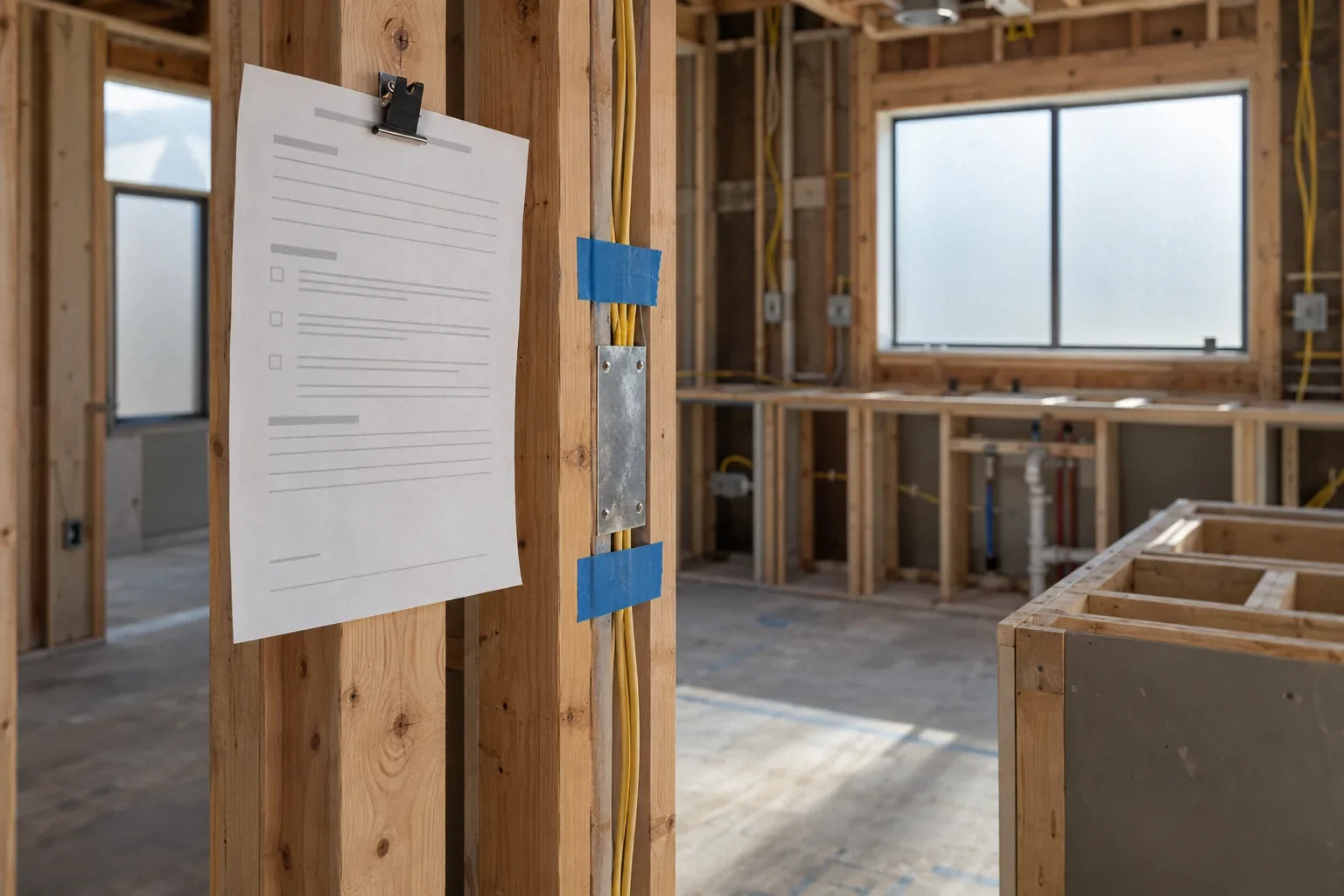
Failed a Building Inspection During Your Remodel? What a Correction Notice Means and What to Do Next
A failed inspection is usually a list of corrections, not a disaster. How to read a correction notice, who should fix and pay for what, how reinspection fees work, how to question an item, and why nothing should be covered until the inspection passes.
Read guide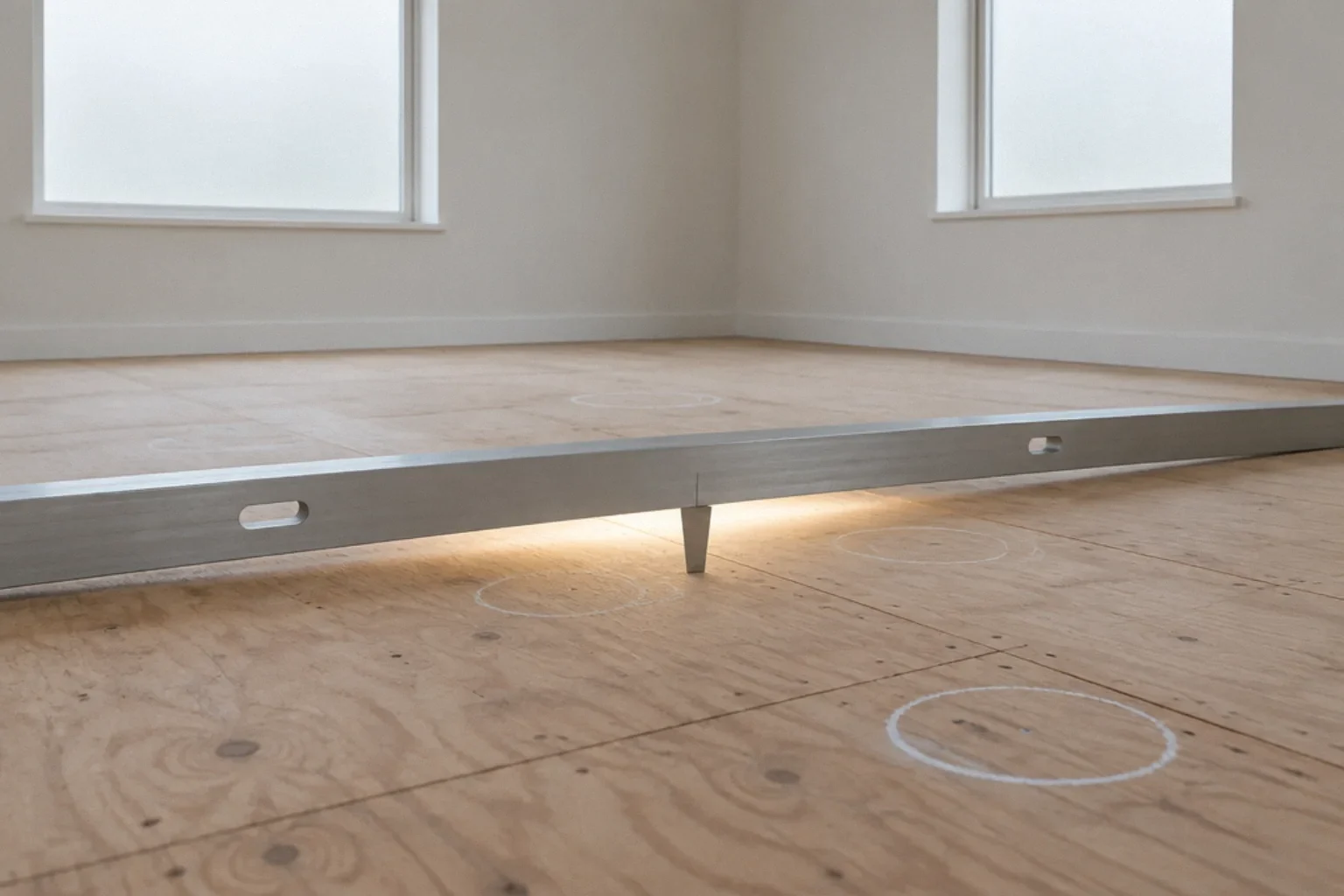
How Flat Does a Subfloor Need to Be for Vinyl Plank? Hollow Spots, Tolerances and What to Fix First
Hollow-sounding or soft spots in vinyl plank usually mean the floor is bridging a dip in the subfloor. Here is how to read a flatness tolerance correctly, measure your own floor, choose between sanding, patching, leveling and structural repair, and judge whether a spot is acceptable or a defect.
Read guide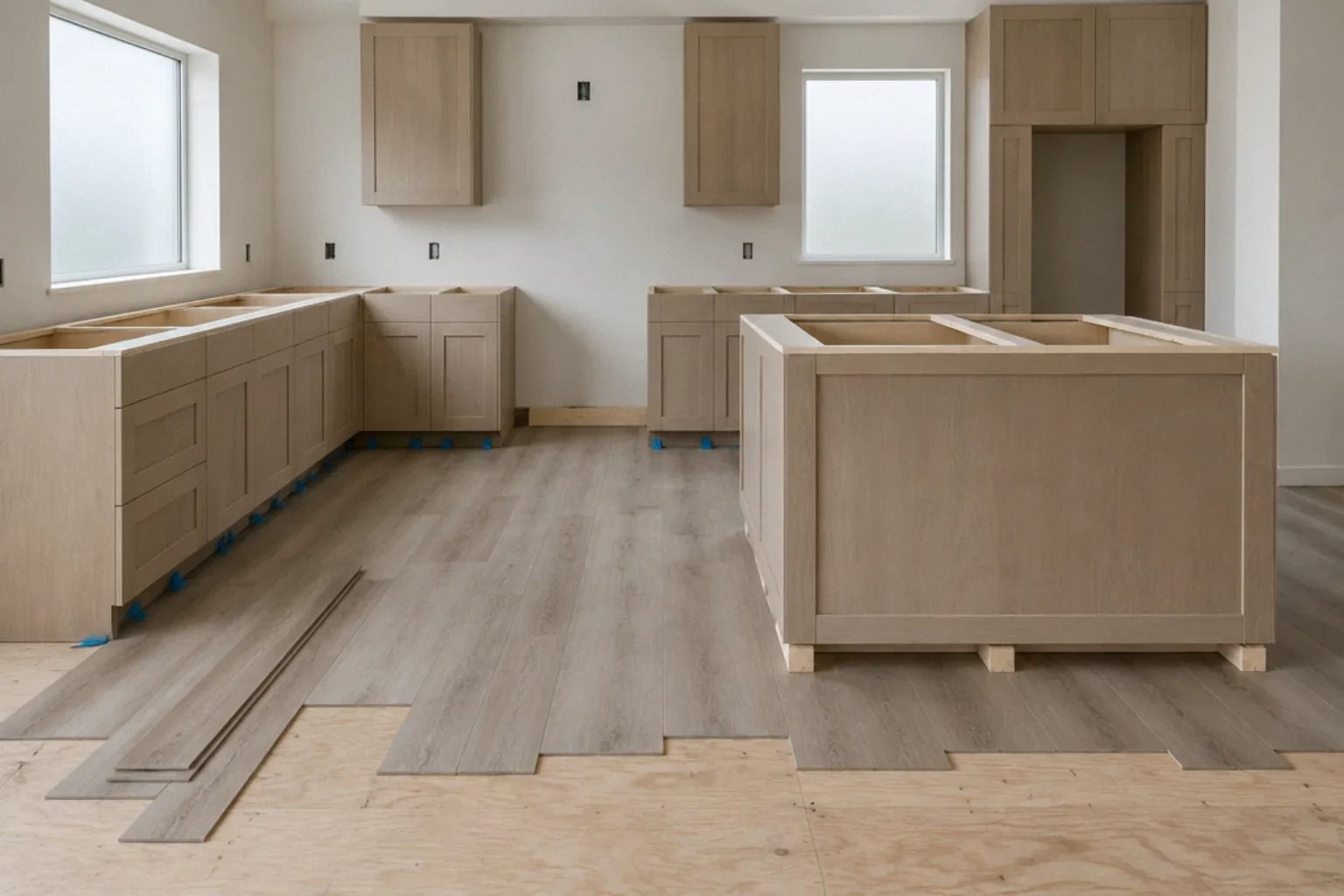
Should Vinyl Plank Go Under Kitchen Cabinets? Floating Floors, Islands and Appliance Openings
For floating click vinyl, the usual answer is no: cabinets go in first or the floor stops short of them, with expansion space. Here is why, what the instructions say, how to handle islands, dishwashers and ranges, and how to sequence a kitchen remodel so the floor can still move and be repaired.
Read guide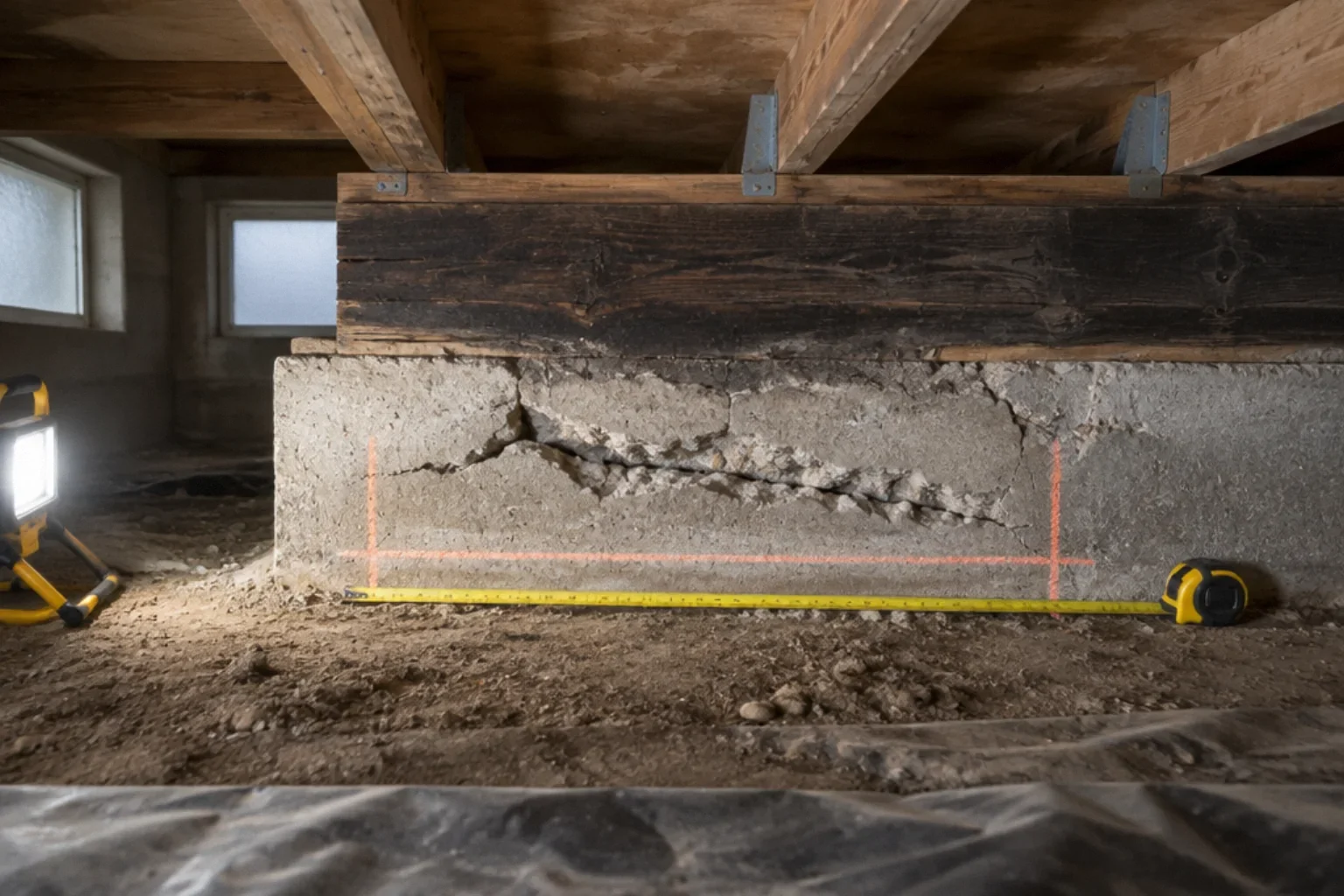
Found a Foundation Problem During Your Remodel? How to Pause, Get It Assessed and Decide
Opening floors and walls sometimes exposes cracked footings, shallow foundations, rot at the sill, or unpermitted additions built on inadequate footings. Here is how to respond safely, who should assess it, how permits and change orders work, and how to weigh repair, redesign or removal without guessing.
Read guide
Can You Put Hot Pans on Quartz? Heat, Stains and Cleaning Rules That Differ by Brand
Engineered quartz is low-maintenance, not indestructible. Manufacturers warn about direct heat, countertop appliances and harsh chemicals, and their cleaning advice is not identical. Here is how to set up a kitchen that protects a quartz counter, what to do and document when marks appear, and why your own brand's care sheet matters.
Read guide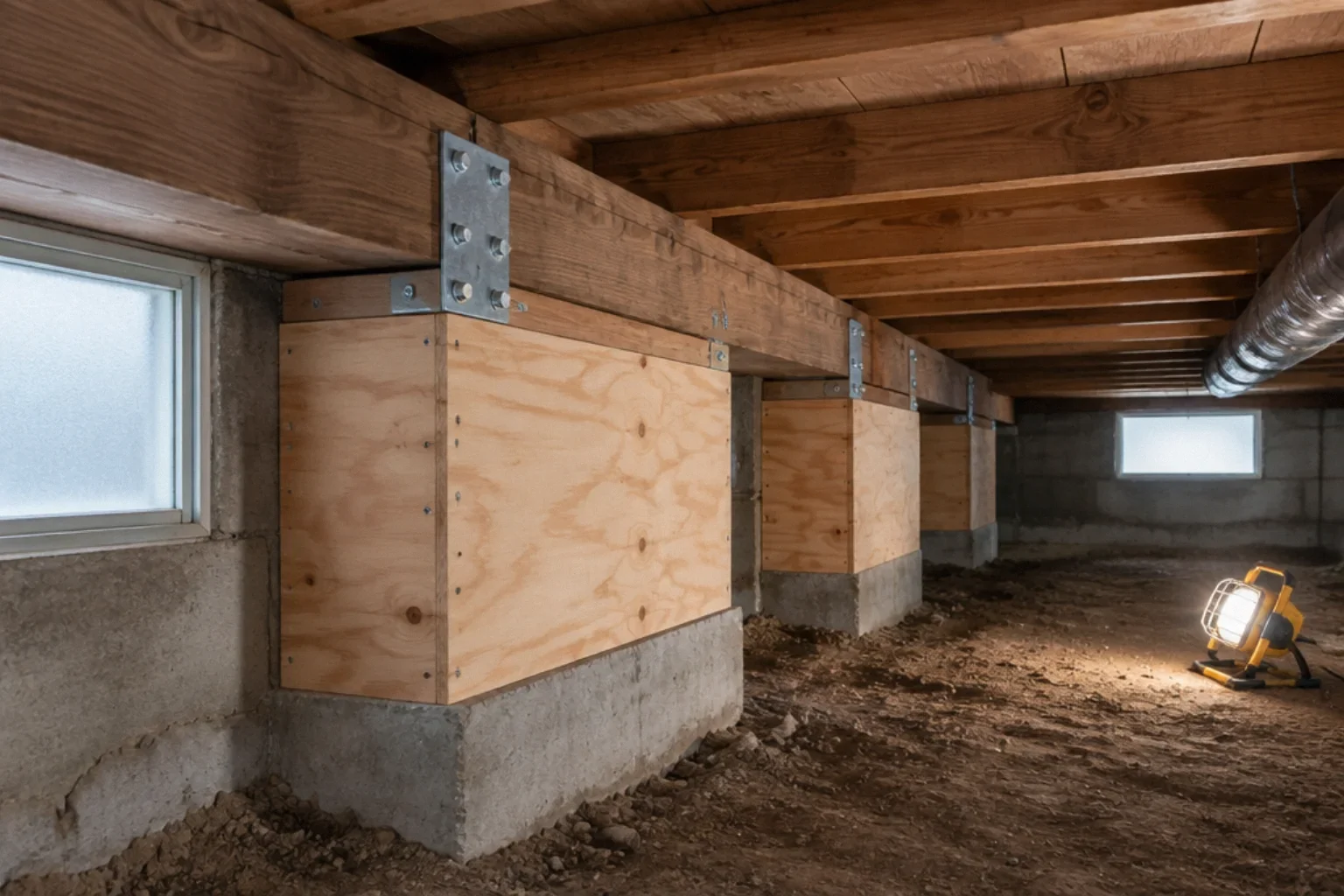
Should You Add a Seismic Retrofit to Your Remodel? Bolting, Cripple Walls, Soft Stories and Grant Timing
If your remodel already opens a crawlspace, garage ceiling or walls, it may be a good time to address common earthquake weaknesses in older homes. Here is how to recognize them, how to coordinate a retrofit with remodel plans and permits, and why grant programs such as Earthquake Brace + Bolt require acceptance and approval before you apply for a permit or start work.
Read guide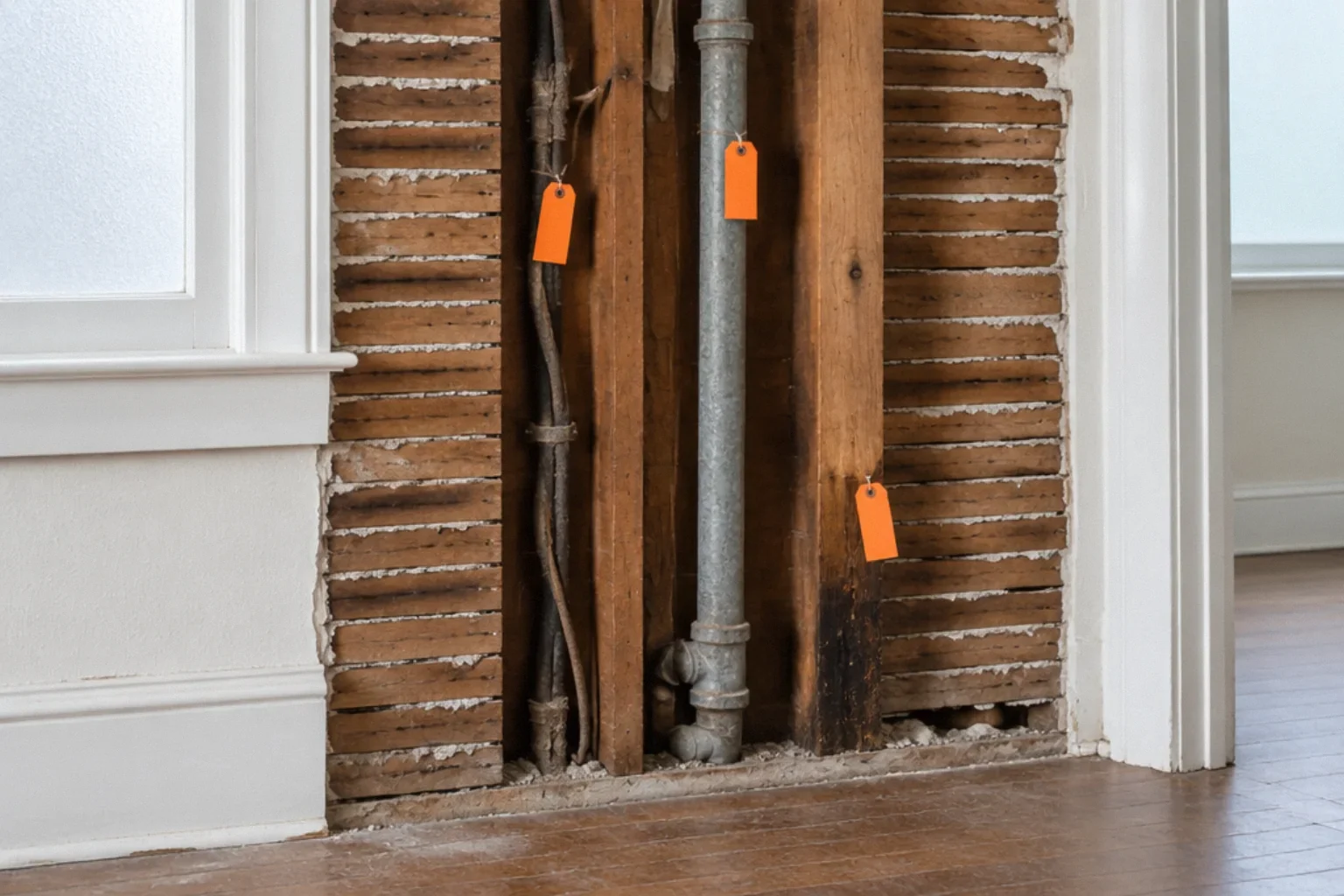
What You Might Find When Opening Walls in an Older House, and How to Plan for It
Older Bay Area homes can hide outdated wiring, old plumbing, rot, missing insulation, past amateur work and materials that need testing before they are disturbed. Here is how to anticipate those discoveries before demolition, handle them when they appear, and keep scope, safety and cost under control.
Read guide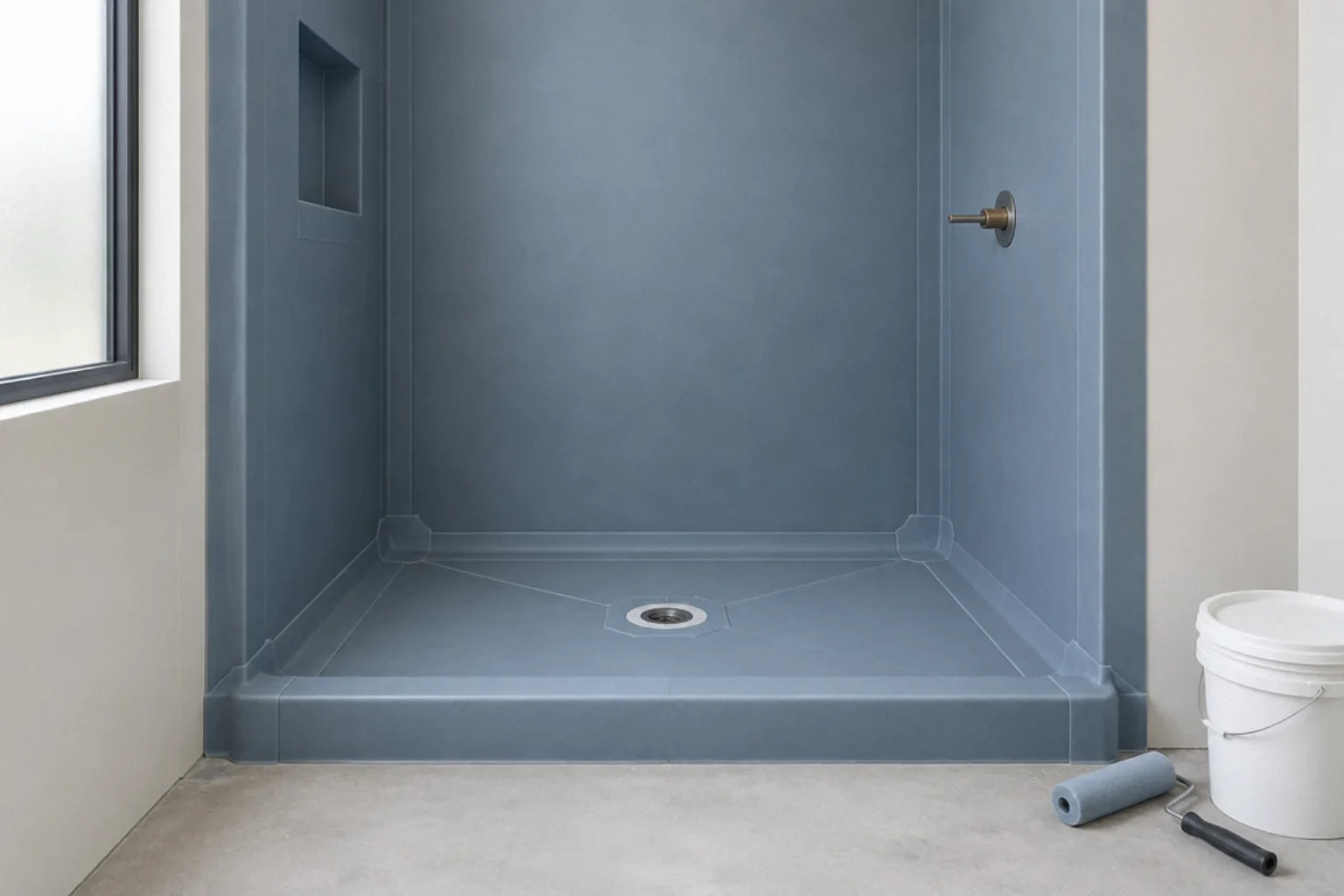
Best Way to Waterproof a Tile Shower: Liner Systems vs Surface Membranes, and How to Compare Bids
Tile and grout are not waterproof; the layer behind them is. Here is how traditional shower pan liners and bonded surface membranes differ, what California code and Bay Area handouts require, what manufacturer instructions control, and how to compare two contractors' waterproofing specs before you sign.
Read guide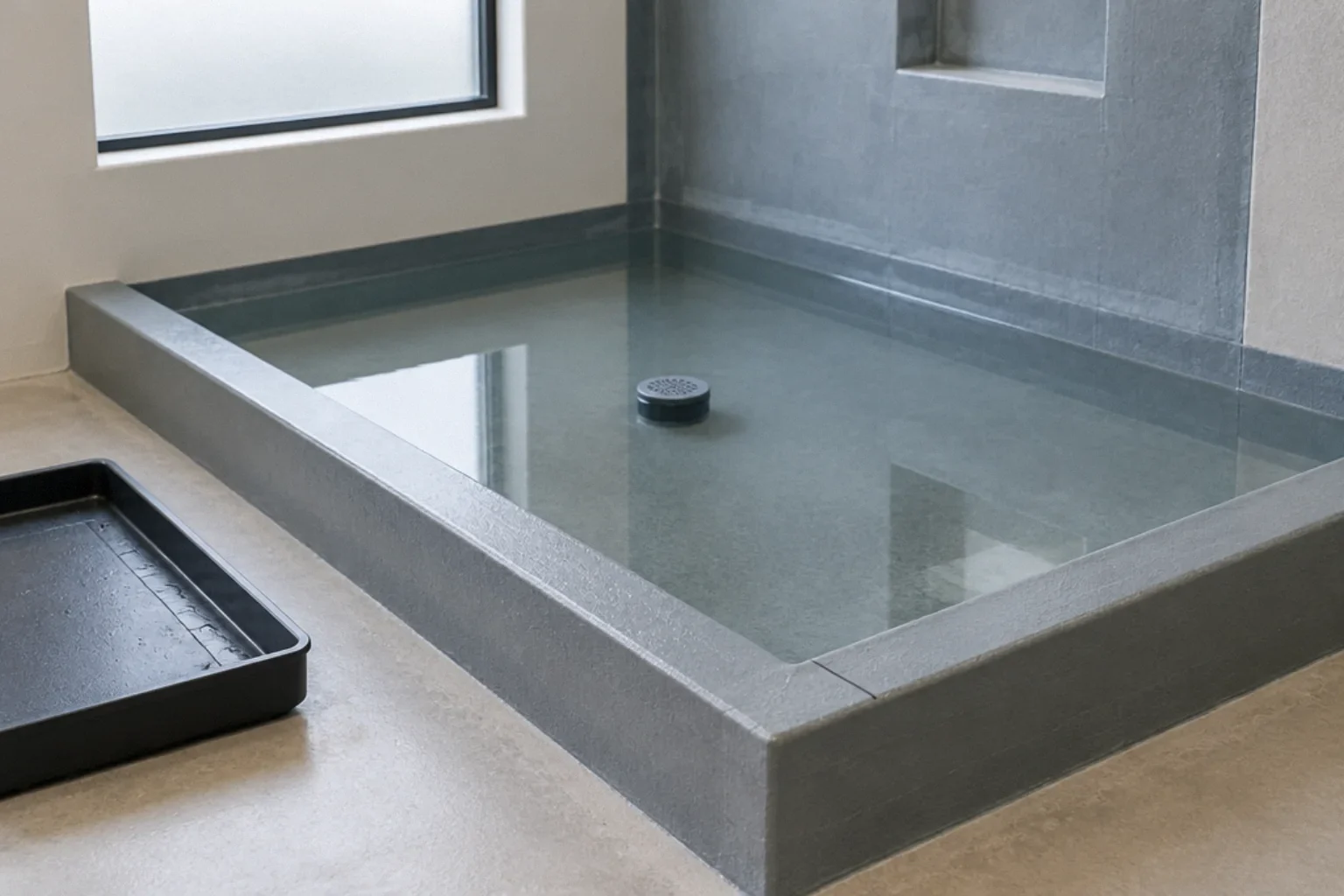
Shower Pan Flood Test Before Tile: What It Is, Who Sets the Rules, and What to Watch For
A flood test fills the waterproofed shower floor with water before tile to prove it holds. The right depth, duration and cure time come from the waterproofing manufacturer's instructions and your building department, not a generic recipe. Here is how the test works, what to ask for, how to read the result, and why a flood test is not a DIY leak-finding tool.
Read guide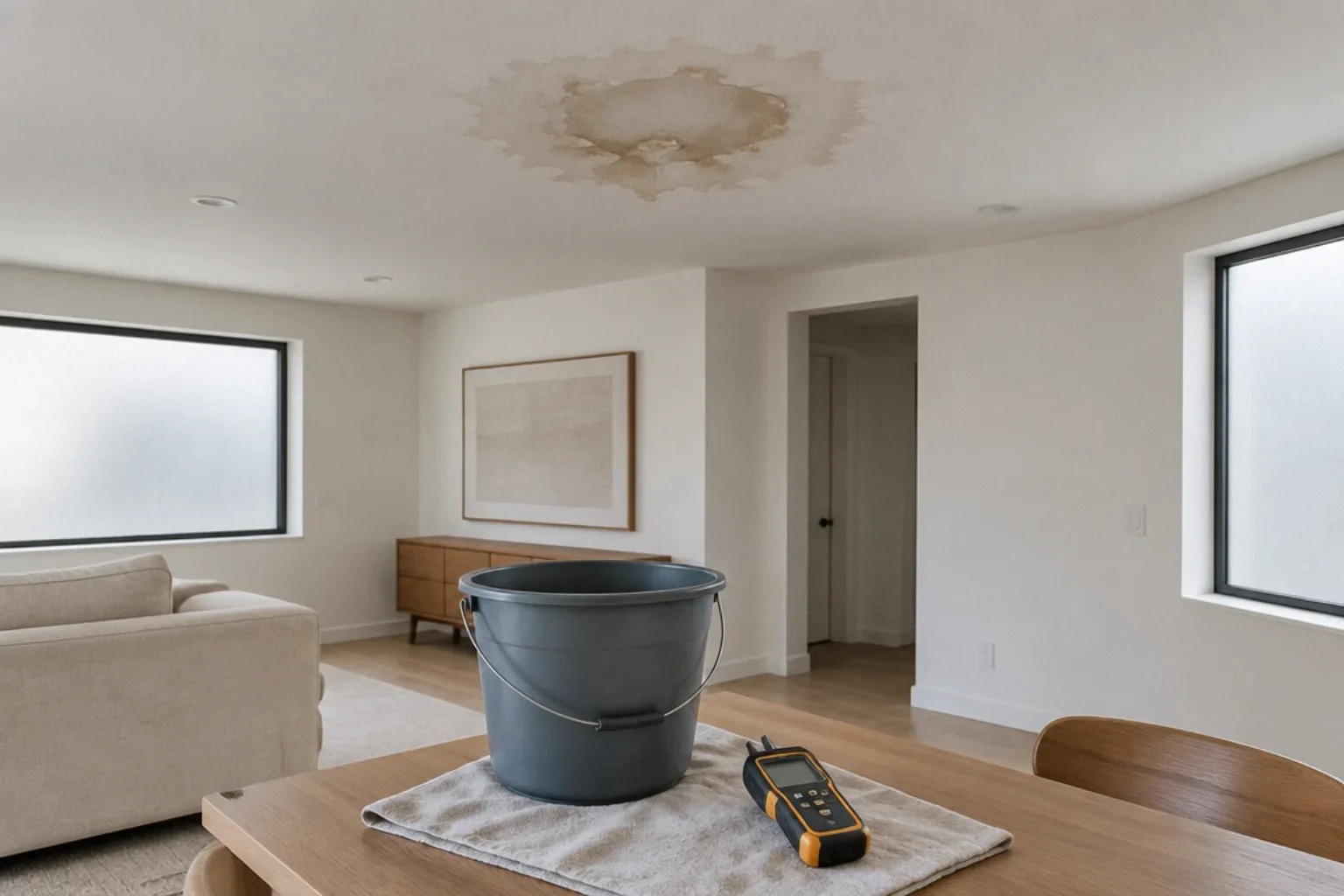
New Shower Leaking After a Remodel? What to Do, What to Ask the Contractor, and How to Protect Yourself
A newly built shower that leaks is usually a waterproofing, drain, valve or enclosure problem, and caulk is rarely the real fix. Here is how to stop the damage, document it, get the contractor back with a proper diagnosis, evaluate the repair plan, and know your options in California if they won't fix it.
Read guide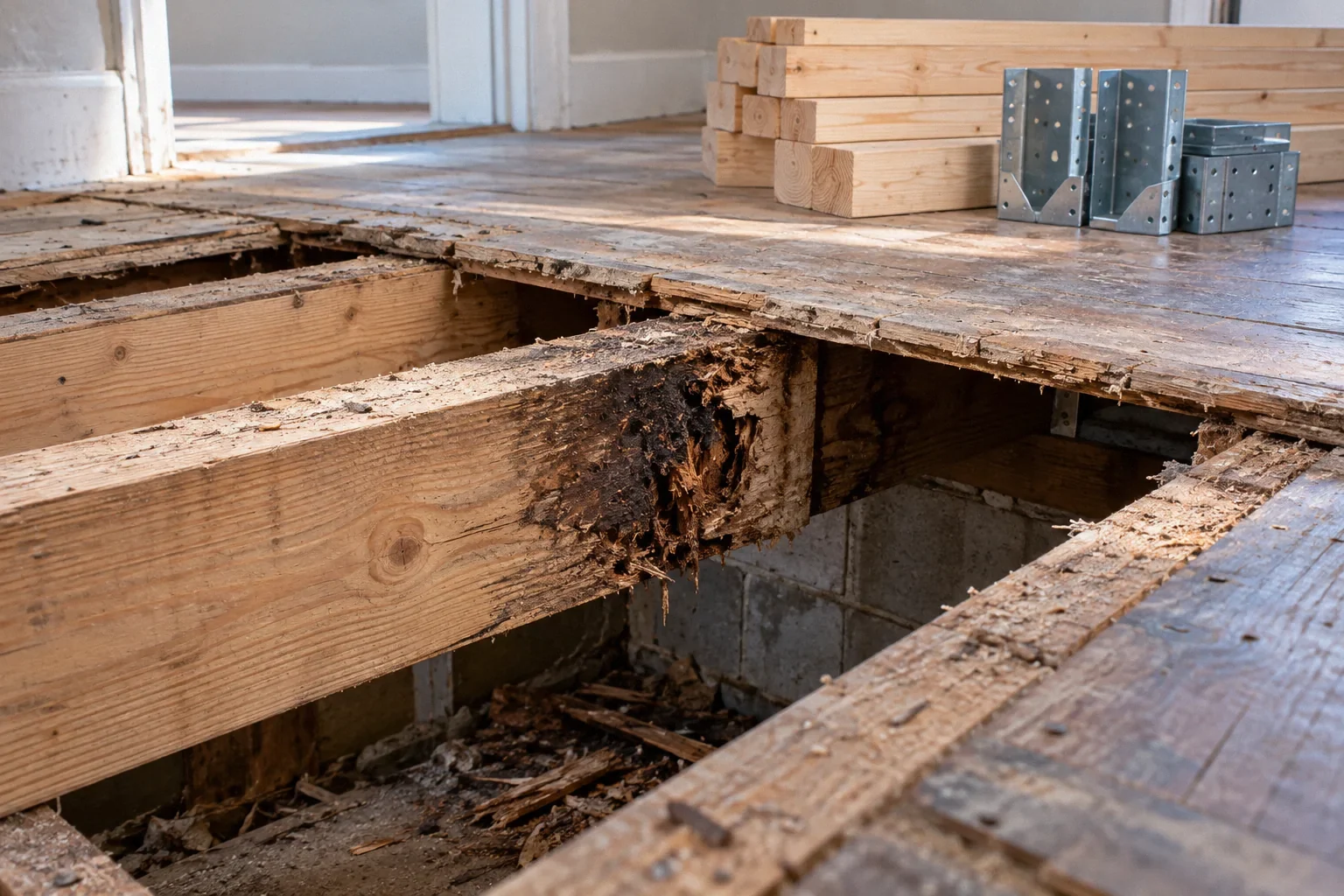
How Much Contingency for a Remodel? A Way to Size It for Your House Instead of Guessing a Percentage
There is no universal contingency percentage. The right reserve depends on your house's age and condition, how much is hidden, how complete your selections are, and how your contract handles allowances and change orders. Here is a step-by-step method for sizing and managing a contingency for a California remodel.
Read guide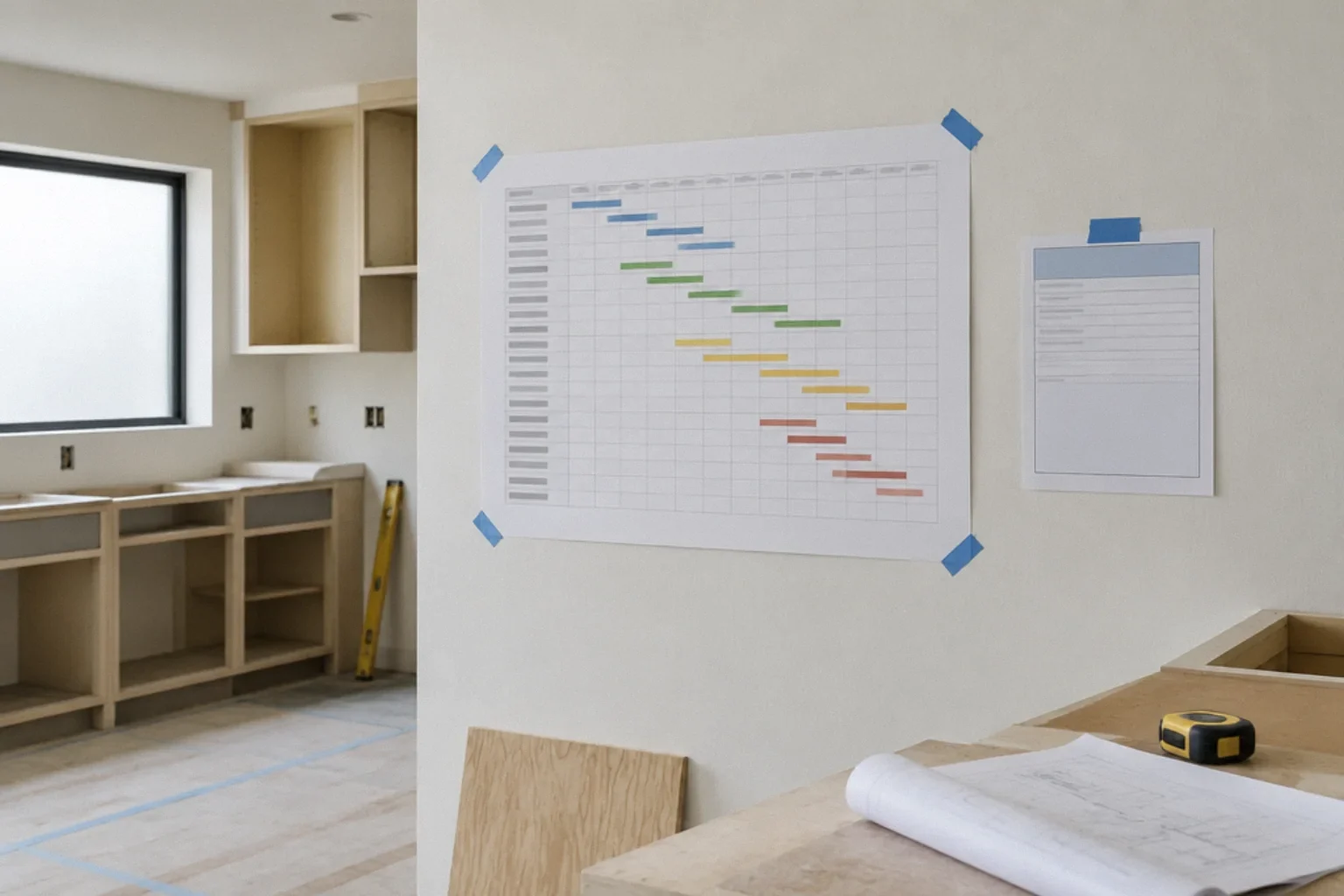
How Long Does a Kitchen Remodel Take in the Bay Area? Building a Realistic Timeline From Design to Final
A kitchen remodel timeline is a chain of phases: design and selections, permit review, ordering, demolition, rough-in and inspections, finishes, and final sign-off. Here is how to estimate each phase for your project, where delays usually come from, what California contracts must say about dates, and how to track progress without guesswork.
Read guide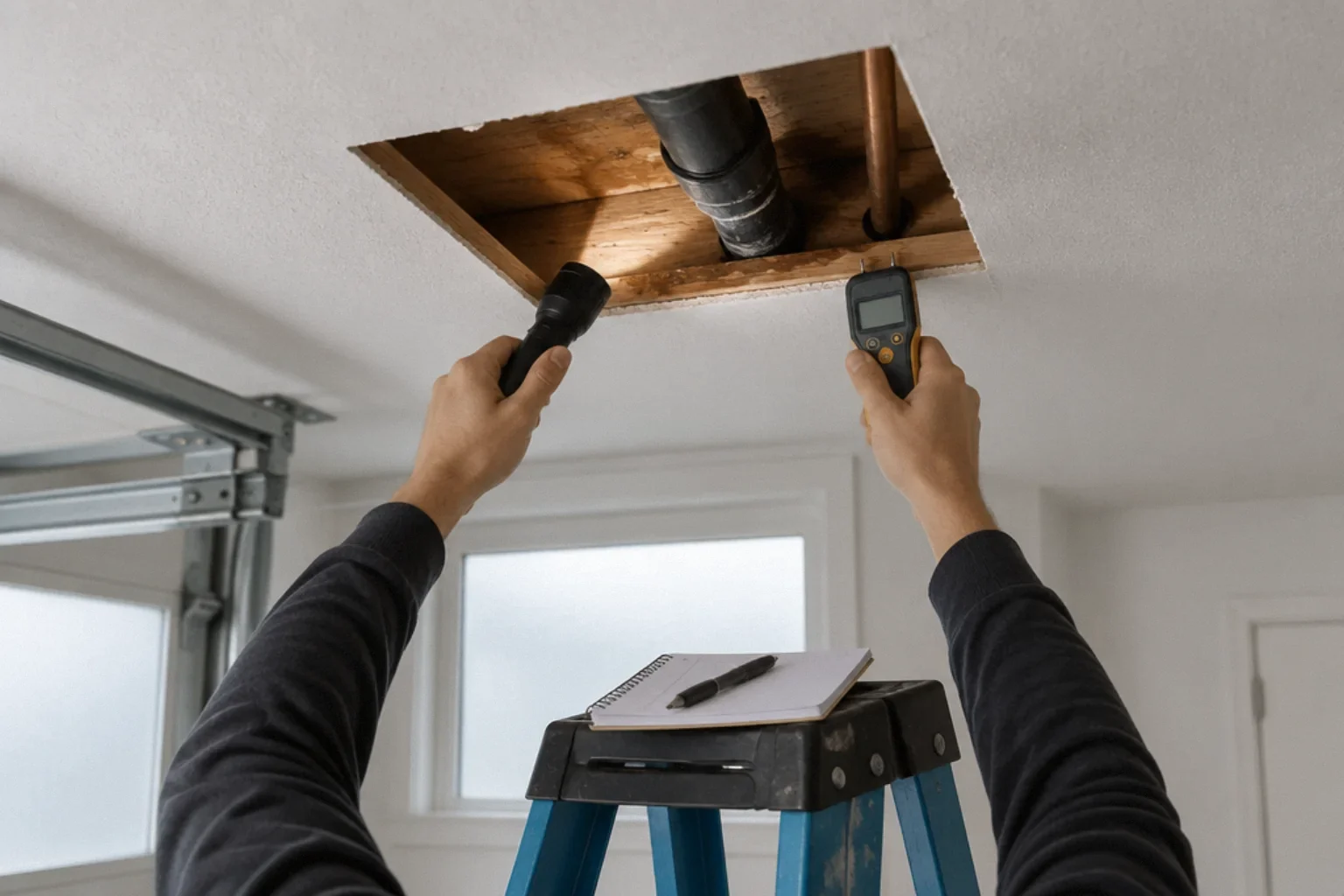
Who Do You Call for a Leaking Shower: Plumber, Tile Contractor or Leak Detection? A Diagnosis Roadmap
Shower leaks sit on the boundary between plumbing and tile work, which is why owners get bounced between trades or told "it's the grout." Here is how to match symptoms to the right first call, what CSLB license classifications cover, how controlled tests narrow the cause, and how to avoid paying twice for the wrong fix.
Read guide
Remodeling a Rental in California: Durable Finishes, Maintenance Planning and Tenant-Safe Process
A rental remodel has different goals from a personal one: durability, repairability, consistent parts, and legal duties to tenants. Here is how to choose finishes and fixtures for a rental, separate required repairs from elective upgrades, plan around tenants lawfully, and handle permits and lead-safe rules in the Bay Area.
Read guide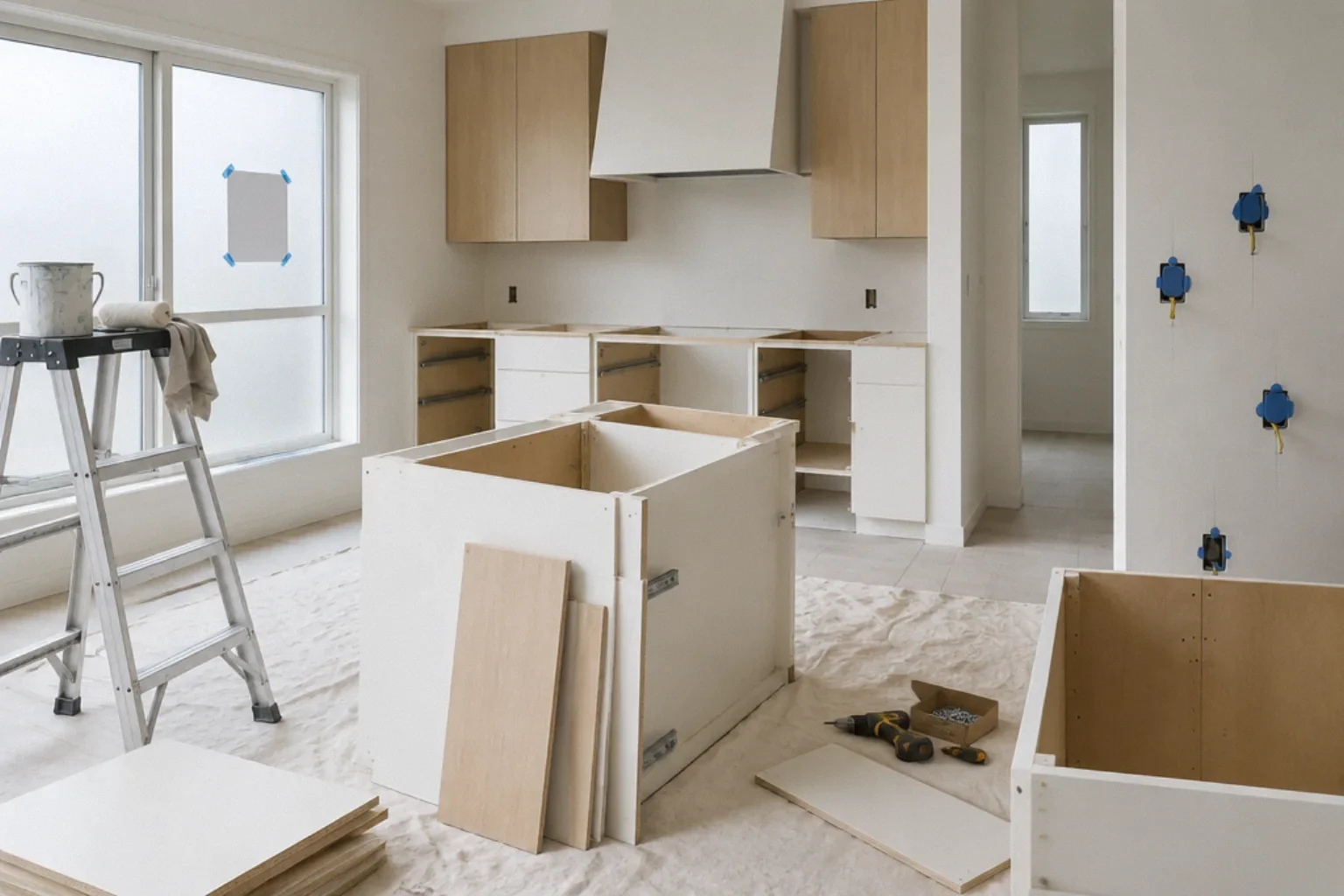
Which Remodel Tasks Can You DIY in California, and Which Should You Hire Out?
Doing part of a remodel yourself can save money, but it changes your legal role, your schedule and your risk. Here is how to sort tasks by skill, safety, permit and warranty consequences, what California's owner-builder rules mean, and why being asked to 'pull the permit yourself' is a red flag when someone else does the work.
Read guide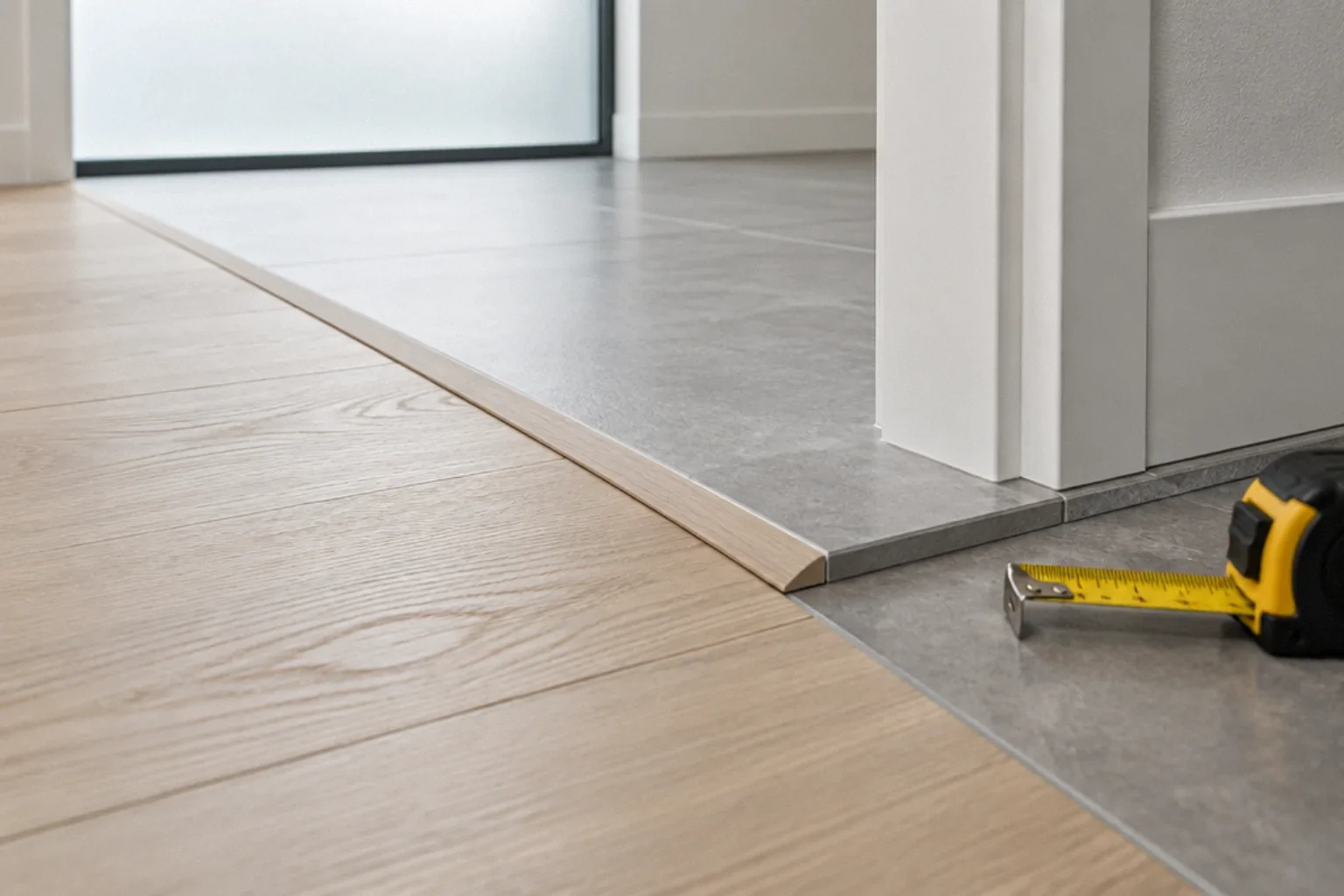
Flooring Transitions Between Rooms: Gaps, T-Moldings, Height Changes and When a Floating Floor Needs a Break
Where one floor meets another, or a long floating floor runs through a doorway, the transition has to allow movement, handle height differences and avoid trip hazards. Here is what manufacturer instructions require, how to choose a transition, why some gaps are intentional and others are not, and what to ask before installation.
Read guide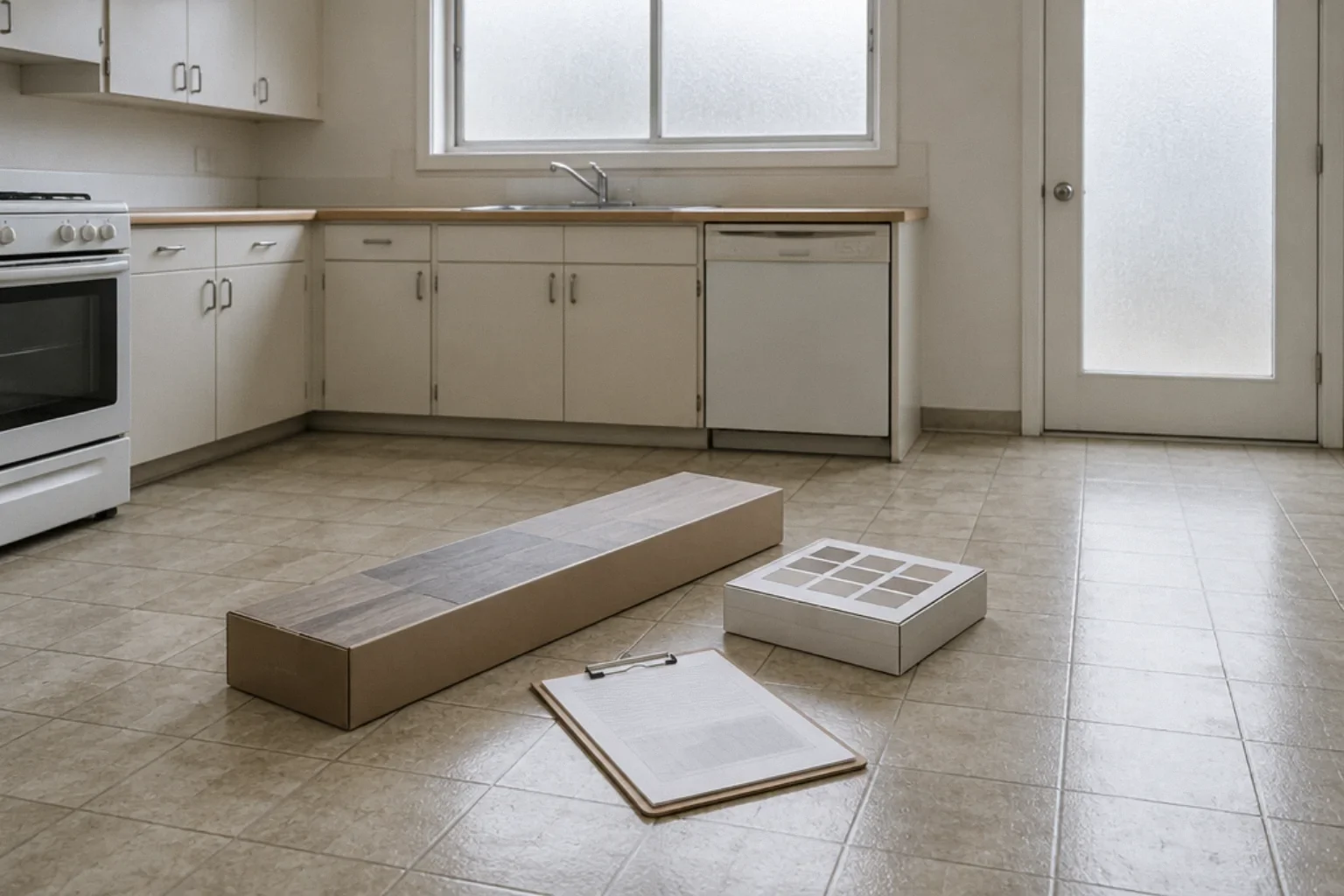
Old Vinyl Tile and Asbestos: Can You Put LVP Over It, and What Has to Happen First?
Older vinyl tile, sheet flooring and black adhesive can contain asbestos. Covering it with new flooring is sometimes an option, but floor prep, fasteners and removal can disturb it. Here is how to decide between covering and abatement, who should test, what a lab result does and does not tell you, and the Bay Area rules to check.
Read guideNo matching guides. Try a different phrase.