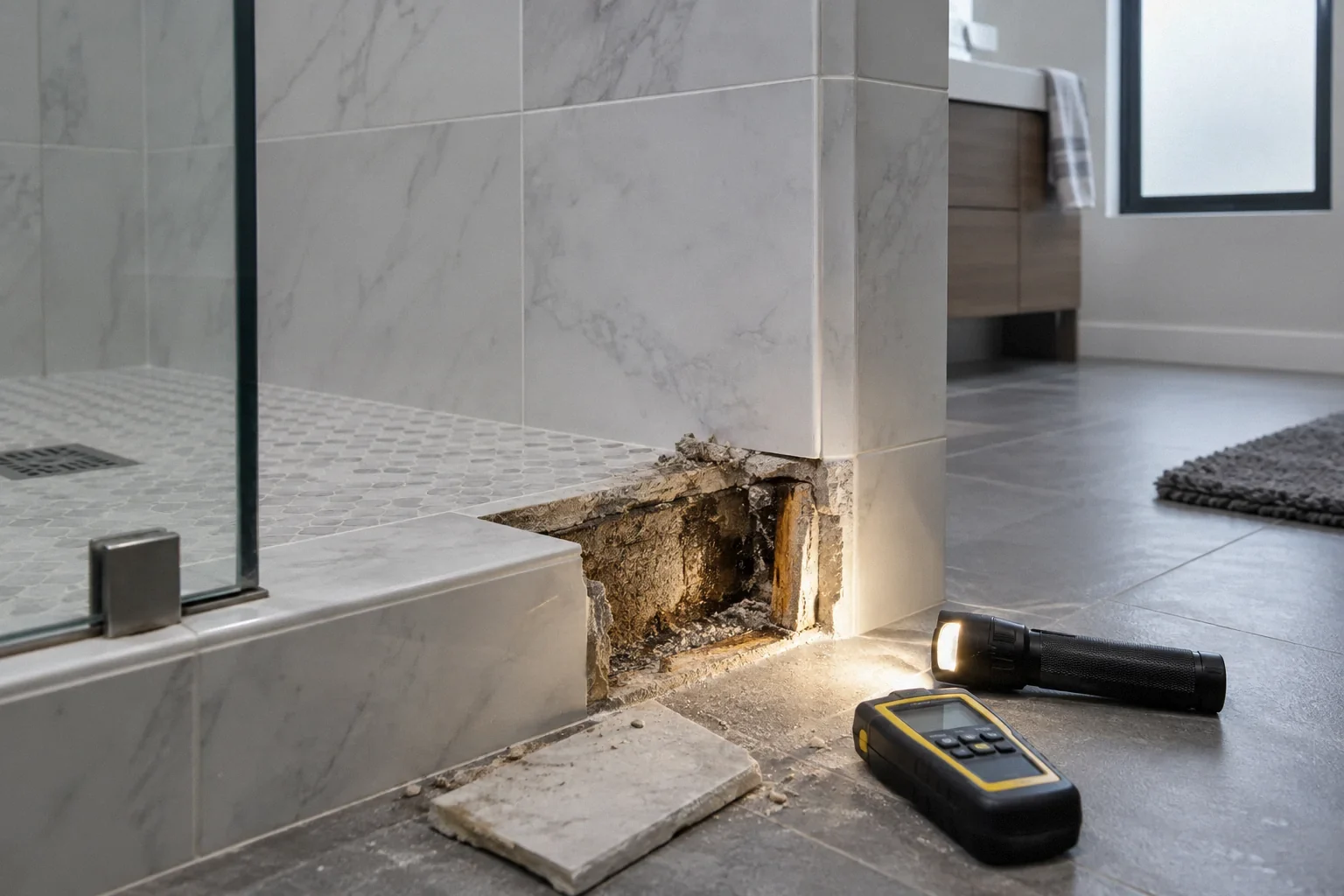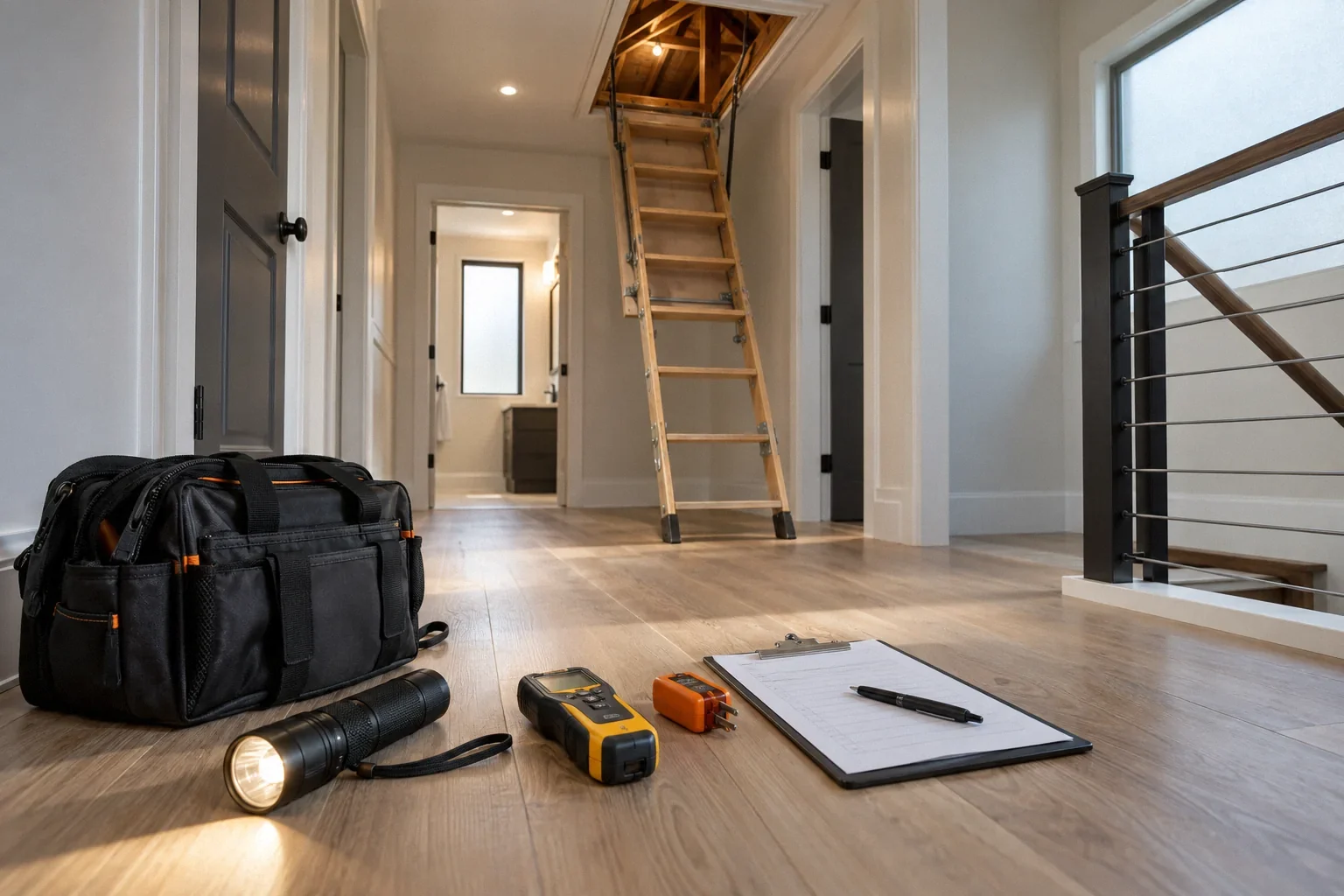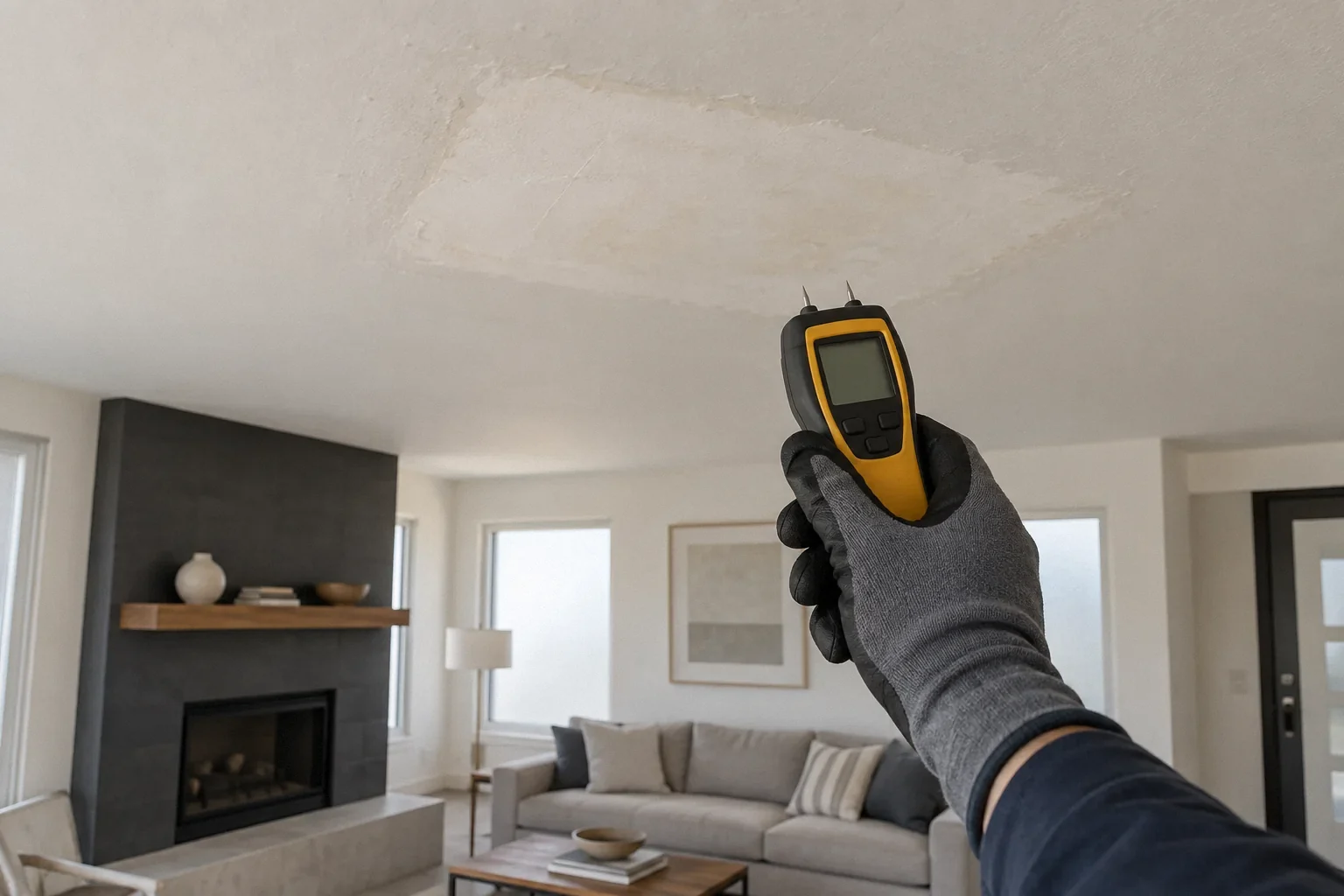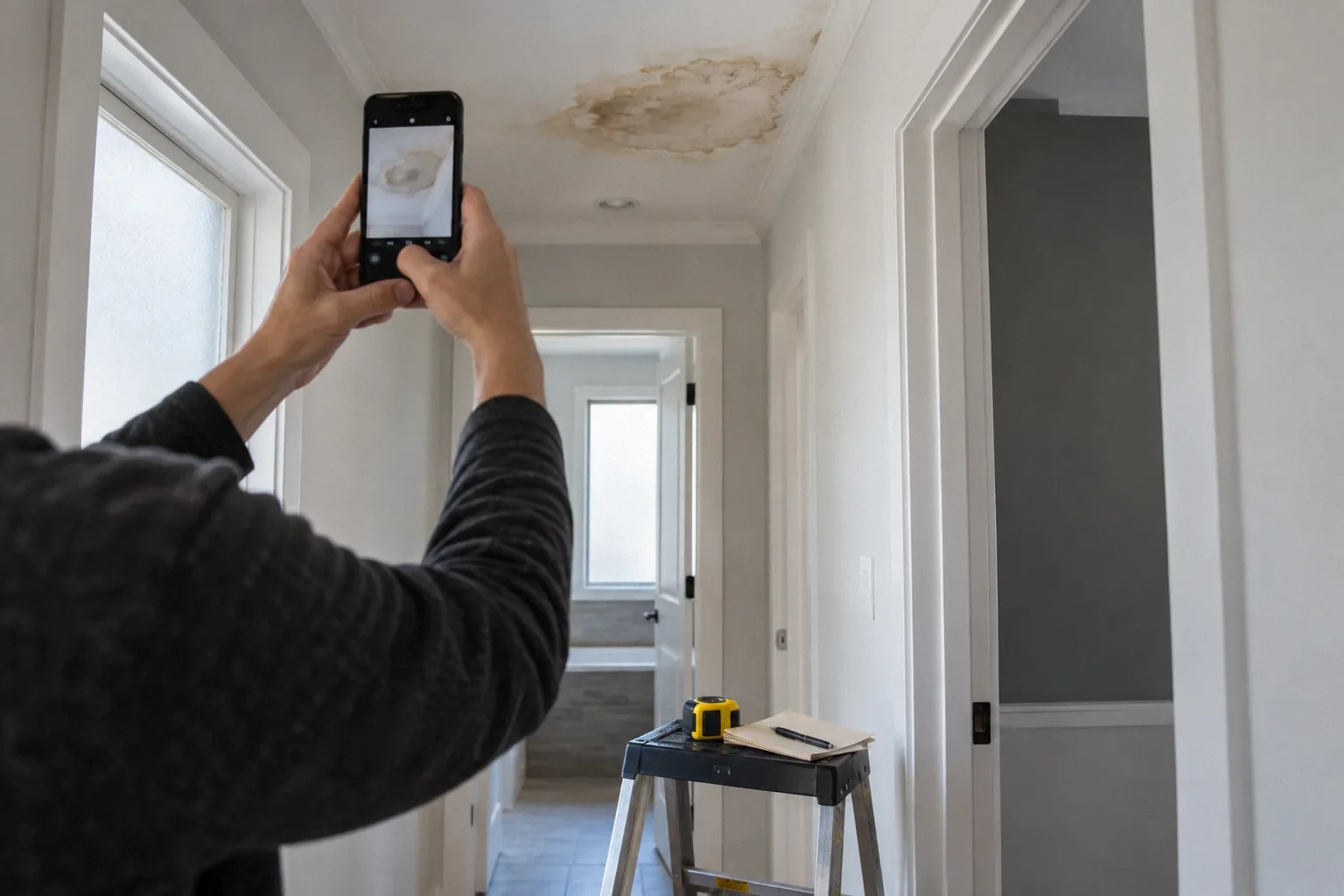
Short answer: first make the house safe and stop further damage, then document everything before repairs erase the evidence. After that, the question is who is responsible, and the answer depends on facts you may not have yet: whether the seller or an agent knew about the problem, whether it was visible, whether it was caused by work a contractor did, and what your purchase contract says about disputes. California law requires sellers of most one-to-four unit homes to disclose known material facts in good faith, and an as-is sale does not cancel that duty. It does not make sellers responsible for problems they genuinely did not know about and could not have known through ordinary care. Deadlines apply, so talk to a California real estate attorney early if the problem is serious.
This guide sets out a practical sequence for owners who have just found a problem. It is general information current as of 3 October 2026, not legal advice.
What buyers describe
A California buyer of a flip found floor defects after closing, inspection and move-in, and noted that what they had read seemed to require the seller to have known of the defect; they suspected the flippers had used cheap, possibly unlicensed labor without knowing the floors were defective. A first-time buyer found water leaking through a ceiling during their first shower in the house, after an inspection that "came out good." Another buyer of a flipped house believed the seller hid issues, and a commenter suggested tracking down earlier listings and the disclosures the flipper received when they bought. In a Sacramento thread, a buyer of a pre-sale renovation could not get the contractor to honor a warranty. These are personal accounts, not verified facts. They illustrate the four parties a buyer usually has to think about: seller, agents, inspector and contractor.
Step 1: Stop the damage and document
- Make it safe. Shut off water at a fixture or the main for active leaks; For a gas smell, leave the building without operating switches and call the utility emergency line or 911 from a safe location. Stay clear of wet electrical equipment and get emergency help for immediate hazards.
- Photograph and video the condition with dates, before any cleanup or demolition. Keep removed materials if practical.
- Write a timeline: when you first noticed it, what you did, and who you contacted.
- Get an independent assessment from a qualified specialist (plumber, roofer, structural engineer, flooring inspector) who can describe the cause and how long the condition likely existed. Ask for a written report.
- Notify your insurer if the damage might be covered, and follow the policy's notice conditions.
Step 2: Collect the transaction file
- Transfer Disclosure Statement, seller questionnaires and any amendments
- Flip disclosure under Civil Code § 1102.6h if the seller accepted your offer within 18 months after acquiring the property; see flipped-house disclosure
- Your inspection reports, including photos and the limitations section
- Agent visual inspection disclosures, listing photos and marketing remarks
- The purchase agreement, especially any mediation, arbitration and attorney fee clauses
- The property's permit history from the building department
Step 3: Sort the questions by party
| Party | Key question | Where the answer usually comes from |
|---|---|---|
| Seller | Did the seller know, and fail to disclose in good faith? | Disclosures compared with repair records, permits, contractor statements, neighbors, earlier listings |
| Agents | Was the problem visible in accessible areas during the agent's visual inspection? | Agent disclosures; photos; condition at the time |
| Home inspector | Was it within the inspection's scope and reasonably observable? | Inspection agreement and report limitations; see what inspectors can miss |
| Contractor | Was it caused by defective work, and is the contractor licensed and bonded? | Permits, contractor list, CSLB license record |
The legal framework for sellers is in Civil Code §§ 1102 and following. Disclosures must be made in good faith, defined in § 1102.7 as honesty in fact. Under § 1102.4, a seller or agent is not liable for an error or omission that was both outside their personal knowledge and handled with ordinary care. The DRE's Disclosures in Real Property Transactions notes that sellers and agents must make the disclosures necessary to avoid fraud, misrepresentation or deceit. See California seller disclosures for detail.
Step 4: Contact the responsible party in writing
Send a factual letter or email describing the problem, attaching photos and the specialist's report, and asking for a response by a reasonable date. Avoid accusations you cannot yet support. If a contractor did the work and is licensed, the letter should go to them as well. Our guide to communicating in writing has practical wording tips.
Step 5: Know the formal options
- Contract dispute procedures. Purchase agreements can require mediation before litigation or arbitration. Read yours; skipping a required step can affect remedies such as attorney fees.
- CSLB complaint about a contractor. CSLB's page on what happens after you file says it has jurisdiction for up to four years from the violation, and up to 10 years for some hidden structural defects. It can issue citations, including orders to correct or pay, but an investigation does not guarantee restitution, and CSLB encourages separate civil action if money is your main goal. A board complaint does not automatically preserve court or bond deadlines. If you did not hire the contractor, ask CSLB how that affects your complaint; see CSLB complaints and bond claims.
- Small claims court. The California Courts self-help guide lists limits of $12,500 for individuals and $6,250 for businesses, and lawyers cannot represent parties at the hearing. See small claims for contractor disputes.
- Civil claims. Claims such as fraud or negligent misrepresentation have their own deadlines. For example, Code of Civil Procedure § 338(d) sets three years for fraud, running from discovery of the facts. Other claims and contract terms can be shorter. An attorney should confirm which deadlines apply to you.
Mistakes that weaken a buyer's position
- Repairing before documenting the condition and cause
- Assuming the seller knew because the problem seems obvious now
- Assuming the seller is off the hook because the sale was as-is
- Ignoring the purchase agreement's mediation or arbitration clause
- Letting deadlines pass while waiting for a CSLB outcome
- Posting accusations publicly before the facts are established
Checklist
- Hazard addressed; damage stopped
- Dated photos, video and timeline
- Specialist report on cause and age of the condition
- Insurer notified if potentially covered
- Transaction file gathered: TDS, flip disclosure, inspection, contract, permits
- Questions sorted by seller, agent, inspector and contractor
- Written notice sent with evidence
- Attorney consulted on dispute clauses and deadlines
Current as of 3 October 2026. Remedies and deadlines depend on facts and contracts; get individual legal advice for significant losses.
Questions that come up next
Can I sue the seller for a defect I found after closing in California?
Possibly, if the seller knew about the defect and failed to disclose it in good faith, or misrepresented it. Sellers are generally not liable for errors outside their personal knowledge when ordinary care was used. Your purchase agreement may require mediation first. Talk to a California real estate attorney about your facts.
Does an as-is sale stop me from making a claim?
Not by itself. California's disclosure rules cannot be waived, and an as-is sale does not remove the duty to disclose known material facts. As-is mainly means the seller is not agreeing to make repairs.
What if a contractor hired by the seller did bad work?
Check the contractor's license and bond on the CSLB website. CSLB has jurisdiction for up to four years from a violation and up to 10 years for some hidden structural defects, but it does not guarantee restitution. Ask CSLB how it treats complaints from later owners, and consider civil or bond options separately.
How long do I have to act?
It depends on the claim. Fraud claims generally have three years from discovery under CCP § 338(d), but other claims and contract terms can be shorter, and CSLB and bond processes have their own limits. Get legal advice promptly.
Sources and further reading
- California Civil Code § 1102.7 (good faith)
- California Civil Code § 1102.4 (liability limits)
- California Civil Code § 1102.6h (flip disclosure)
- California DRE: Disclosures in Real Property Transactions (RE 6, 6th ed. 2005)
- CSLB: After You File Your Complaint
- California Courts Self-Help: Small Claims
- California Code of Civil Procedure § 338
Community questions behind this guide
These discussions identify homeowner concerns. Forum comments are personal accounts, not code or legal authority.