Short answer: if a seller accepts your offer on a single-family home within 18 months of acquiring title, Civil Code § 1102.6h requires them to disclose room additions, structural modifications, other alterations or repairs made by contractors since they took title, the name and contact information of each contractor on jobs above the $1,000 threshold in Business and Professions Code § 7027.2, and copies of permits obtained for the work. The rule was added by AB 968 and applies where the seller accepted an offer on or after 1 July 2024. It adds to, rather than replaces, the ordinary Transfer Disclosure Statement and the seller's general duty to disclose known material facts.
The law gives buyers a paper trail. It does not certify that the work was done well, that every job was permitted, or that the contractor will honor a warranty. This guide explains what the disclosure covers, where it stops, and how to use it during your contingency period. It is general information current as of 3 October 2026, not legal advice.
Why buyers want this information
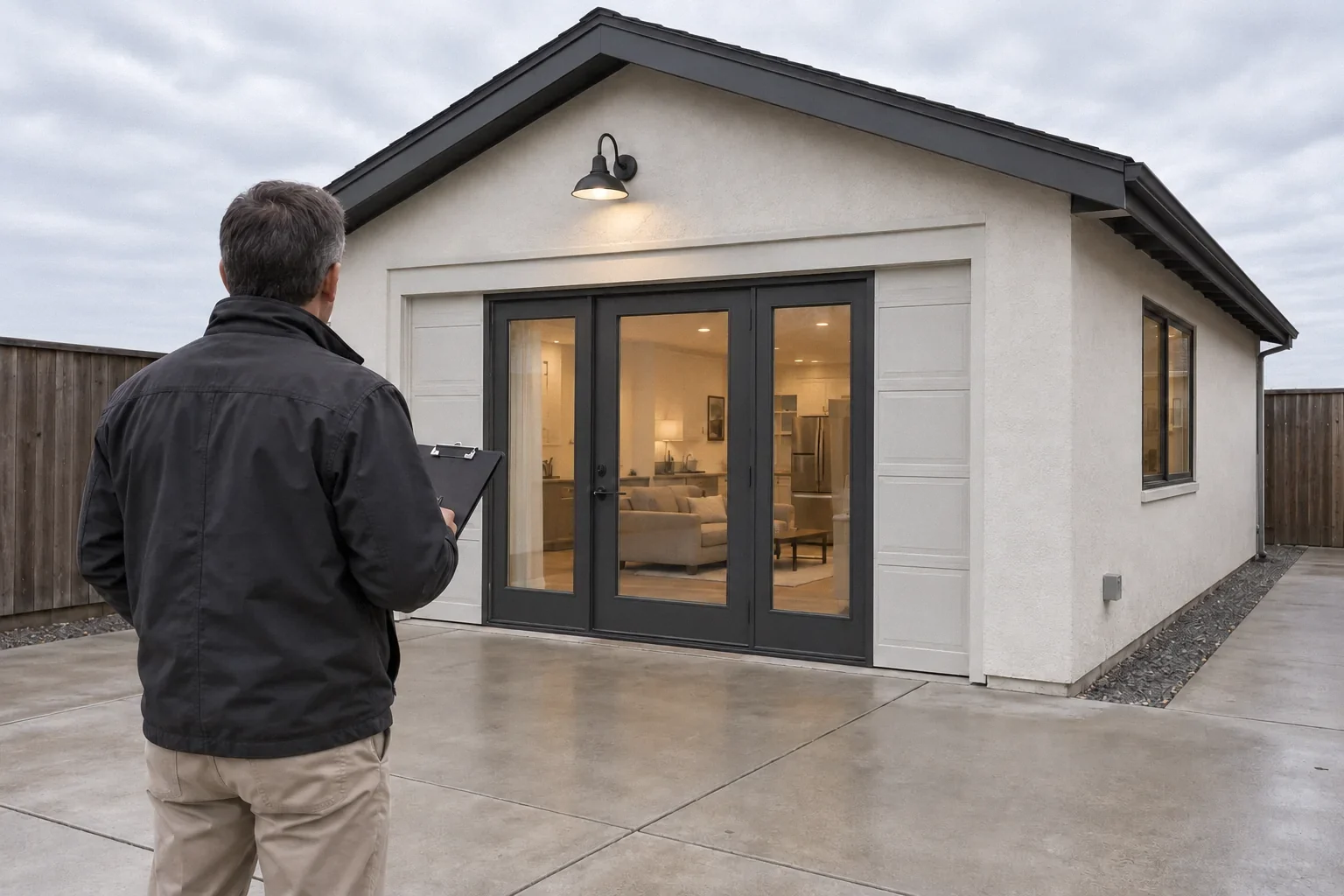
A buyer shopping in San Jose and Santa Clara described flips with new roofs, remodeled kitchens and baths, and powered sheds, where listings admitted work was unpermitted or the timeline showed everything finished within about two months of the flipper's purchase, and city permit sites showed no records. A California buyer who found floor defects after closing on a flip suspected the flipper used the cheapest labor available but could not show what the seller knew. In a Sacramento thread, an owner who bought a house newly renovated before sale reported that the contractor would not honor a warranty, and that the state licensing board told them it might not be able to help because they did not hold the contract, suggesting a claim against the contractor's bond instead. These are personal accounts, not verified facts. Each points to the same gap: buyers often do not know who did the work.
What § 1102.6h requires
| Element | Requirement |
|---|---|
| Who | A seller of single-family residential property who accepts an offer within 18 months of acquiring title |
| What work | Room additions, structural modifications, other alterations or repairs made to the property by a contractor since the seller acquired title |
| Contractor details | Name and contact information of each contractor, for work where the aggregate contract price exceeds the threshold in BPC § 7027.2 (currently $1,000) |
| Permits | Copies of permits obtained for the work; if the seller contracted through a third party and was not given the permits, the seller may instead give the third party's contact information |
| When it applies | Sales where the seller accepts an offer on or after 1 July 2024 |
What it does not do
- It does not prove permits exist for everything. The seller provides permits that were obtained. Work done without permits is a separate disclosure question under the TDS and general disclosure duties; see California seller disclosures.
- It does not cover sellers outside the 18-month window. A flip held longer falls back on the ordinary disclosure rules.
- It does not evaluate quality. A list of contractors and permits is a starting point for your own inspection.
- It does not transfer a contractor's warranty to you. Whether a warranty runs to a later buyer depends on its terms. The Sacramento account above shows the practical problem when the buyer is not a party to the contract.
- It does not replace checking licenses. Verify each disclosed contractor on the CSLB license lookup.
How to use the disclosure during escrow
- Check the dates. Compare the seller's acquisition date with the date your offer was accepted. If it is within 18 months, ask for the § 1102.6h disclosure if you do not receive it.
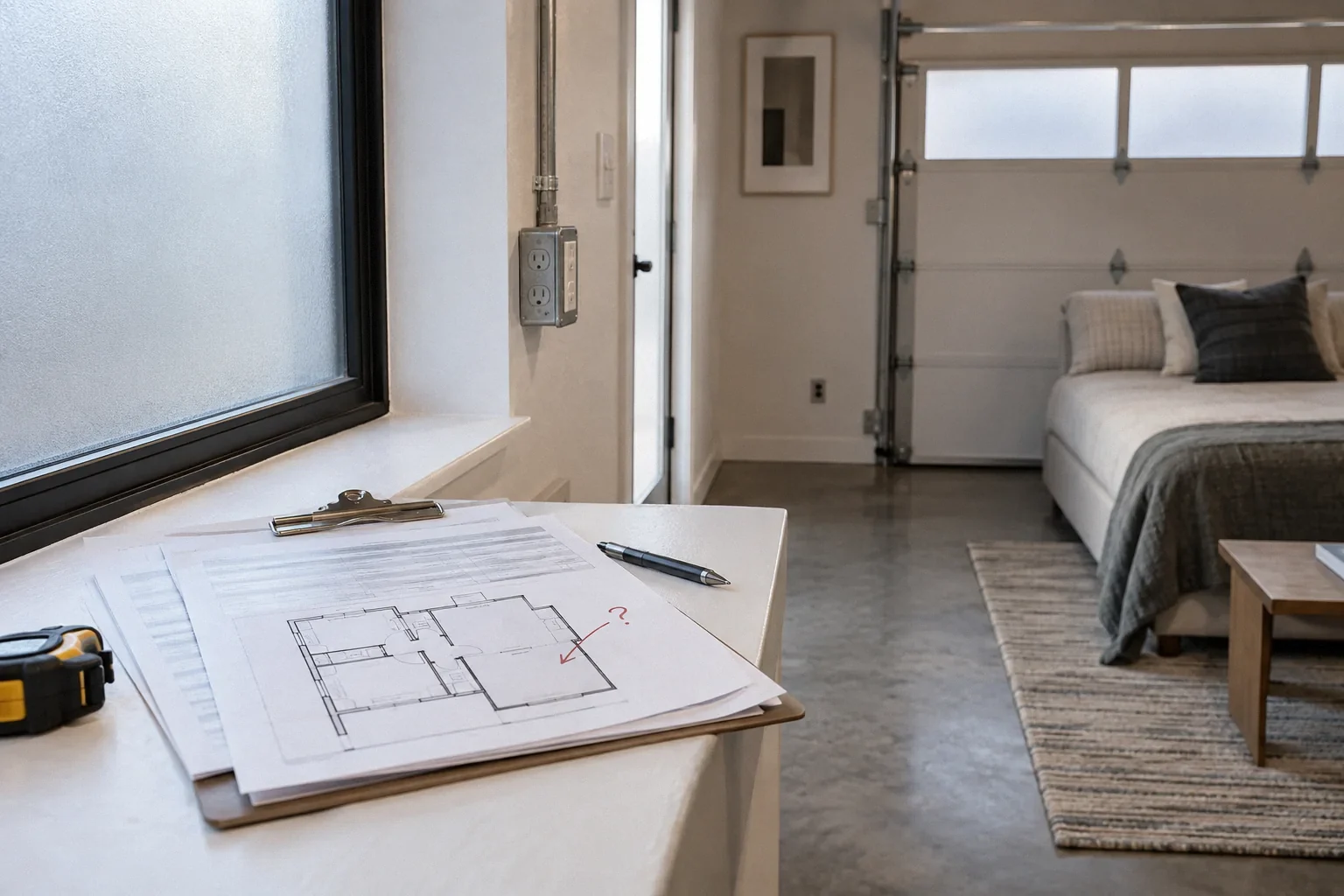
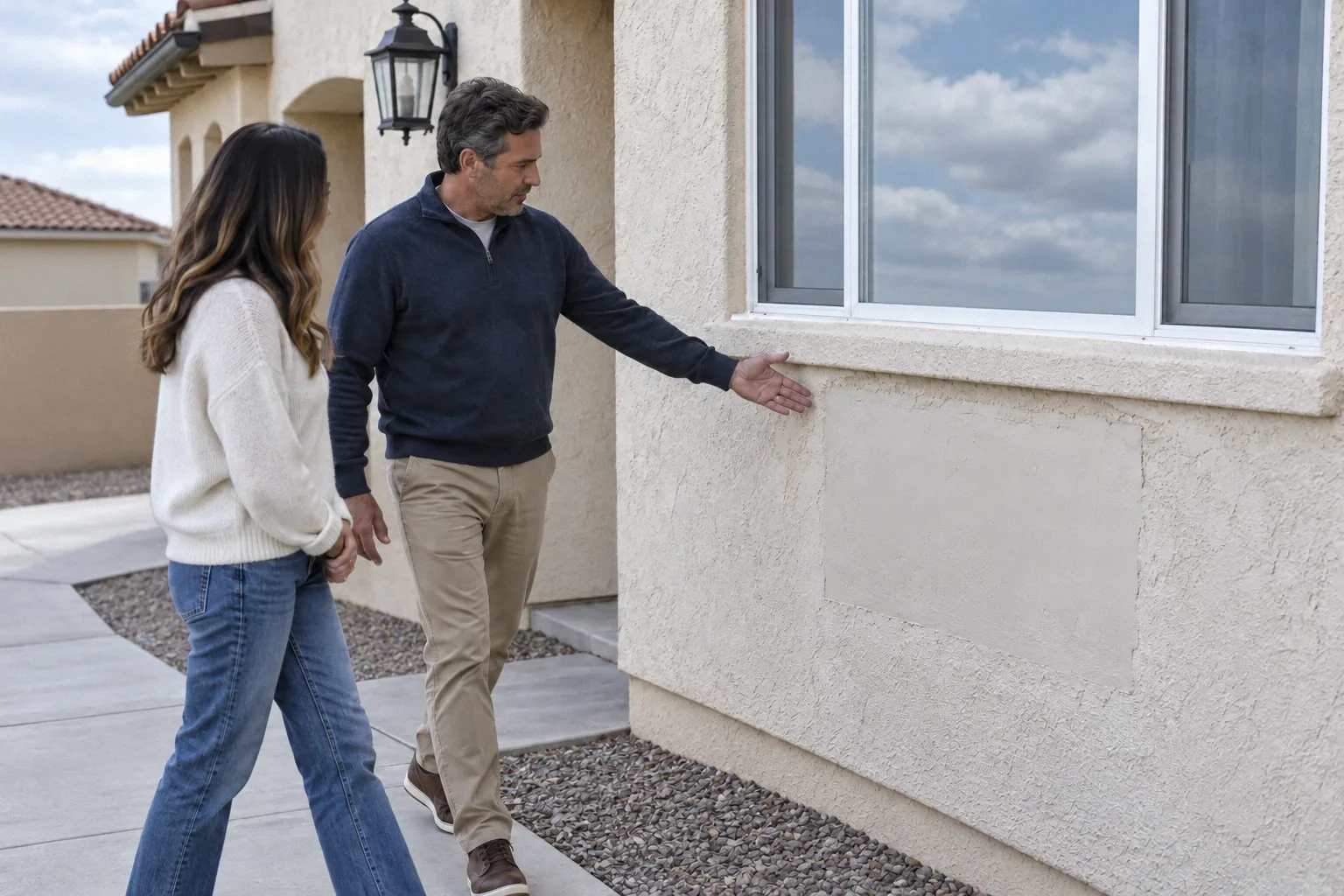
- Match work to permits. Pull the permit history from the city or county building department yourself and compare it with the disclosed list and with what you see in the house. A remodeled kitchen or bathroom with no corresponding permit is a question, not an assumption of fraud.
- Verify every contractor. Look up each license for status and classification, and note whether the classification fits the work (for example, plumbing or electrical work by an appropriate license).
- Call the contractors. Ask what they did, whether they obtained permits and passed final inspections, and whether any warranty extends to a later owner. Get answers in writing.
- Target your inspections. Ask your inspector to focus on areas of recent work: showers and tub surrounds, under-sink cabinets, new flooring, electrical panels and roof penetrations. Bring in specialists where needed. See home inspection limits and signs of hidden water damage.
- Negotiate on facts. Options include asking the seller to obtain or close permits, credits based on contractor estimates, or walking away within your contingency.
Red flags in a flip
- A remodel timeline that does not match the documented permit and inspection dates; speed alone does not establish a violation
- A disclosed contractor whose license is expired, suspended or in an unrelated classification
- New finishes concentrated in areas where leaks or structural problems typically show, with no explanation of what was found during demolition
- Permits that were opened but never finaled; see open permits
- Pressure to waive inspection contingencies
If problems appear after closing
Keep the § 1102.6h disclosure, the TDS and all escrow documents. Contact the disclosed contractor in writing first. If the contractor is licensed and the problem involves their work, the CSLB complaint process and any bond may be relevant; see CSLB complaints and bond claims. For disclosure disputes with the seller, see defects found after closing and consult a California real estate attorney about deadlines.
Checklist
- Seller's acquisition date checked against offer acceptance date
- § 1102.6h disclosure received: work list, contractor contacts, permits
- Independent permit history pulled and compared
- Every contractor license verified
- Contractors contacted about permits, finals and warranty transfer
- Inspections focused on recently renovated areas
- Negotiation or exit decided within contingency deadlines
Current as of 3 October 2026. Confirm current statutory text and your contract deadlines with your agent or attorney.
Questions that come up next
Who has to make the AB 968 flip disclosure?
A seller of single-family residential property who accepts an offer within 18 months of acquiring title, for offers accepted on or after 1 July 2024, under Civil Code § 1102.6h.
What must the flipper disclose?
Room additions, structural modifications, other alterations or repairs made by contractors since acquiring title; the name and contact information of each contractor where the job exceeded the BPC § 7027.2 threshold; and copies of permits obtained. If the seller hired a third party and never received the permits, the seller may give that party's contact information instead.
Does AB 968 mean all the work was permitted?
No. The seller provides permits that were obtained. Unpermitted work is a separate disclosure issue under the Transfer Disclosure Statement and the seller's general duty to disclose known material facts. Pull the permit history yourself.
Does the flipper's contractor warranty transfer to me?
AB968 gives buyers information; it does not itself create or transfer a contractor warranty. Obtain the written warranty and any assignment terms, and ask about transferability before closing. Separate statutory rights may apply and should be assessed on the facts.
Sources and further reading
Community questions behind this guide
These discussions identify homeowner concerns. Forum comments are personal accounts, not code or legal authority.