Short answer: an open or expired permit means the record does not show a final approval. That can have several explanations: the work was finished but never inspected, it was abandoned partway, it was never started at all, or the record itself is wrong or incomplete. An unresolved record does not prove the work was done, and it does not prove the work is bad. The usual fix is to contact the building department, find out what the record actually reflects, renew or reinstate the permit (or apply for a new one) if work was done, provide whatever verification the inspector asks for, correct anything flagged, and get the final signed off. Sellers who know about an open permit should disclose it. Buyers who find one should treat it as an inspection and negotiation item, not a formality.
This guide explains how permits lapse, how two Bay Area departments describe renewal, and what to do whether you are selling, buying or about to start a new project. It is general information current as of 3 October 2026, not legal advice.
How open permits come back up
Open permits usually surface when someone looks at the record for another reason. A Bay Area buyer considering a house whose rooms had been modified differently from the permits the city granted got this reply from another owner: their own unpermitted downstairs kitchen was not an issue until a later permitted remodel, when the plumbing inspector noticed code problems and required it to be legalized before the new work could be signed off. In a San Mateo County thread, an owner asked whether a new inspector or future buyers would notice earlier work done without permits. A buyer in San Jose and Santa Clara checked city permit websites and found no records for recent flip renovations. And outside California, a condo owner described a violation because a previous owner had applied for a permit years earlier but never had inspections, which the building department had only just discovered. That last case is from Florida and only shows the general pattern. These are personal accounts, not verified facts.
Open, expired and unpermitted are different problems
| Record shows | What it usually means | Typical path |
|---|---|---|
| Permit issued, some inspections passed, no final | Work may be complete but was never signed off, or was abandoned partway | Renew or reinstate; schedule remaining inspections and final |
| Permit expired before any inspection | Work may never have started, or was done without inspection | New or renewed permit; inspector may need to see concealed work |
| Work exists but no permit at all | Unpermitted work | Legalize, revise or remove; see legalizing unpermitted work |
| Permit finaled but house differs from approved plans | Later changes or work beyond the permitted scope | Treat the difference as unpermitted; revision or new permit |
How permits expire: two Bay Area examples
Two different clocks are easy to confuse. An application that has been submitted but not yet issued can expire if it is not pursued. An issued permit can expire if work and inspections do not continue. An open permit at sale is usually the second kind.
- San Francisco. SF.gov's page on permit timelines, expiration and extensions says an issued permit remains active for 365 days, and that passed inspections, or inspections where the inspector finds sufficient progress, extend the expiration date by 365 days. You can request a 180-day extension for a fee before the permit expires. When all inspections are complete and final approval is issued, the permit is finalized and closed.
- San Francisco renewal. DBI's How to Renew an Expired Permit instructions ask for the approved permit application and a copy of the approved plans (Records Management can help if you do not have them), a completed Form 3/8, and review by a Senior Inspector before the application goes to plan review for payment and issuance. It notes that approval is not immediate.
For the application clock, Oakland's October 2025 permit brochure says a building permit application is active for 180 days from initial submittal, with a possible 180-day extension under the city's rules and fees. That figure is about applications in review, not about how long an issued permit stays open; ask Oakland separately for issued-permit expiration rules.
Other cities and counties use different time limits and renewal forms. Do not assume another jurisdiction's numbers apply to your property; look up your department's current rules.
If you are selling
- Pull your own permit history early, ideally before listing. Compare it with what you know was built.
- Call the department about each open item. Ask whether the permit can be renewed or must be reissued, what inspections remain, and whether plans are on file.
- Decide whether to close it before listing. Closing it gives buyers a cleaner record. If time does not allow, document what you have done and what remains.
- Disclose what you know. The DRE's guide to Disclosures in Real Property Transactions explains the seller's Transfer Disclosure Statement and states that an "as is" sale does not remove the duty to disclose known material facts. An open permit you know about is the kind of thing to raise with your agent and, if needed, a real estate attorney. If you bought and are reselling within 18 months, Civil Code § 1102.6h also requires disclosure of contractor work and permits; see flipped-house disclosure.
- Do not "tidy up" the record. Withdrawing an application, describing work as cosmetic when it was not, or telling a buyer "it was like that when I bought it" when you know otherwise creates disclosure risk. See unpermitted work red flags and disclosure.
If you are buying
- Request the permit history from the building department for the address, not just the listing's summary. Match permits against the rooms, baths and systems you see.
- Ask the seller in writing about any open or expired permit: what work it covered, how far it got and why it was never finaled.
- Ask your inspector to look closely at areas covered by open permits. A general home inspection is visual and has limits; see what home inspections can miss. A specialist may be warranted for structural, electrical or waterproofing work.
- Negotiate with real information. Options include asking the seller to close the permit before closing, a price adjustment or credit based on a contractor's assessment, or more time in contingency. A credit does not close the permit; after closing, the work becomes your responsibility to resolve with the department.
If you are about to remodel
An old open permit can complicate a new one, as the Bay Area owner above found. Before you apply, look up the property's history and ask the department whether an open permit needs to be closed first or can be handled alongside your project. Building that into your plan is better than discovering it at your new final inspection.
What closing an old permit can involve
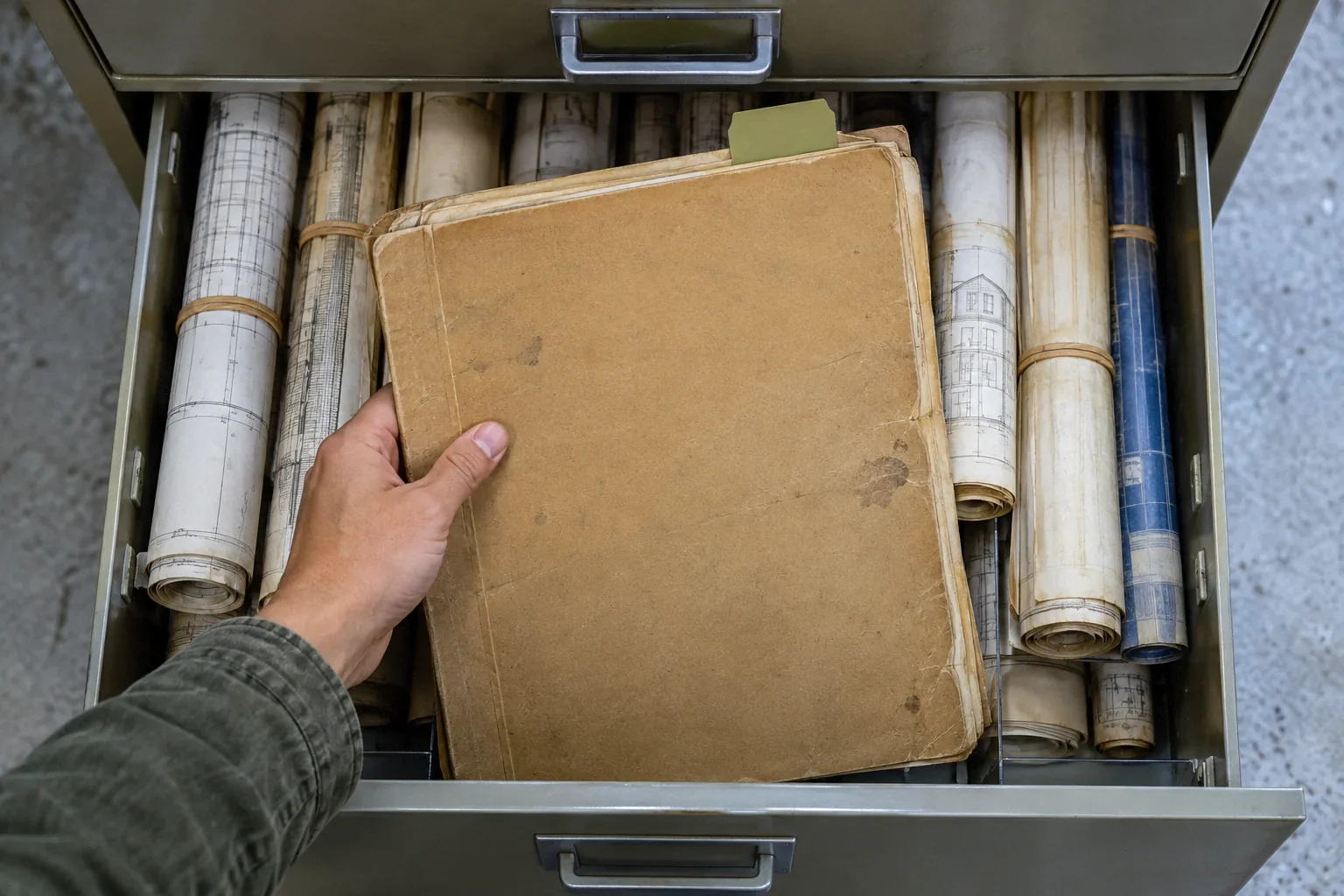
- Finding the original approved plans (or recreating as-built drawings)
- Providing whatever verification the inspector considers acceptable, which may range from photos, records or testing to opening finishes so concealed framing, wiring, plumbing or waterproofing can be seen; the inspector decides case by case
- Correcting work to the code the department applies to the renewed permit, which may differ from the original code edition; ask
- Paying renewal or reissuance fees, and possibly investigation fees
- Scheduling the remaining inspections and the final
Checklist
- Permit history pulled from the department for the address
- Each open or expired permit listed with its scope and last inspection
- Department asked: renew, reinstate or reissue? Which inspections remain?
- Approved plans located or as-builts commissioned
- Seller disclosure updated with known permit issues
- Buyer: inspector briefed on open-permit areas; negotiation based on assessed work
- Remodelers: old permits resolved or coordinated before the new application
Current as of 3 October 2026. Permit timelines and fees are set locally and change; confirm with your building department.
Questions that come up next
Is an open permit the same as unpermitted work?
Not exactly. An open permit means a permit was issued but the record shows no final approval; the work may be finished, unfinished or never started, or the record may simply be incomplete. Unpermitted work never had a permit. Both leave the record incomplete, and both may require inspections, corrections and fees to resolve.
How long does a building permit last in San Francisco?
SF.gov says an issued permit stays active for 365 days, and passed inspections or inspections showing sufficient progress extend it by 365 days. A 180-day extension can be requested for a fee before expiration. Expired permits are renewed through DBI with a Form 3/8 and Senior Inspector review.
Do I have to disclose an open permit when selling in California?
California sellers must disclose known material facts, and an "as is" sale does not remove that duty, according to the DRE's disclosure guide. An open permit you know about should be discussed with your agent and disclosed; ask a real estate attorney if you are unsure how to describe it.
Can a buyer take over an open permit after closing?
Often the new owner can work with the department to renew or reissue it, but the work and any corrections then become the buyer's responsibility. That is why buyers often ask the seller to close it first or negotiate based on a contractor's assessment.
Sources and further reading
- SF.gov: Permit application timelines, expiration and extensions
- San Francisco DBI: How to Renew an Expired Permit
- City of Oakland: Stop Work Notice and permit brochure (October 2025)
- California DRE: Disclosures in Real Property Transactions (RE 6)
- AB 968 (2023): Civil Code § 1102.6h flipped-home disclosure
Community questions behind this guide
These discussions identify homeowner concerns. Forum comments are personal accounts, not code or legal authority.