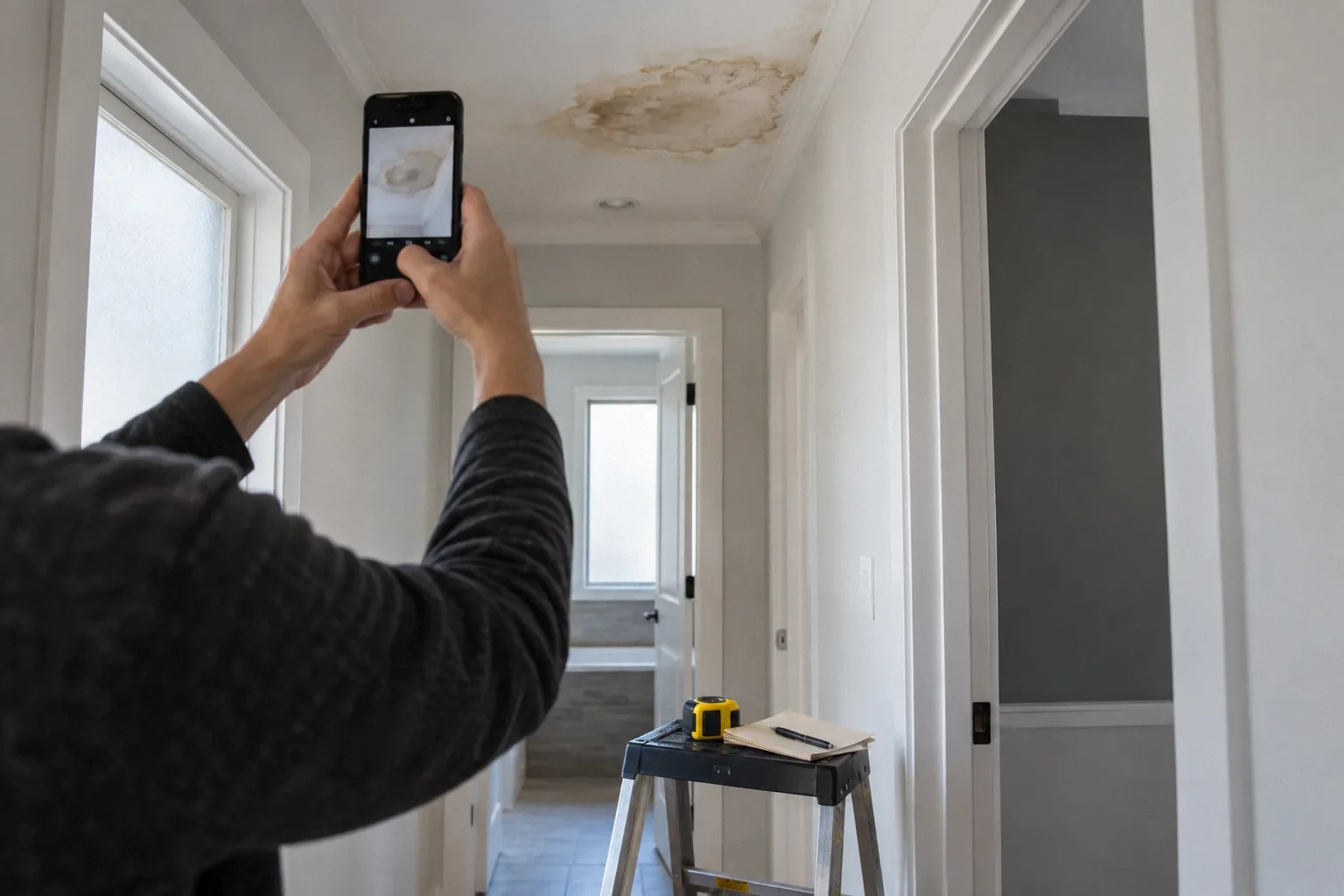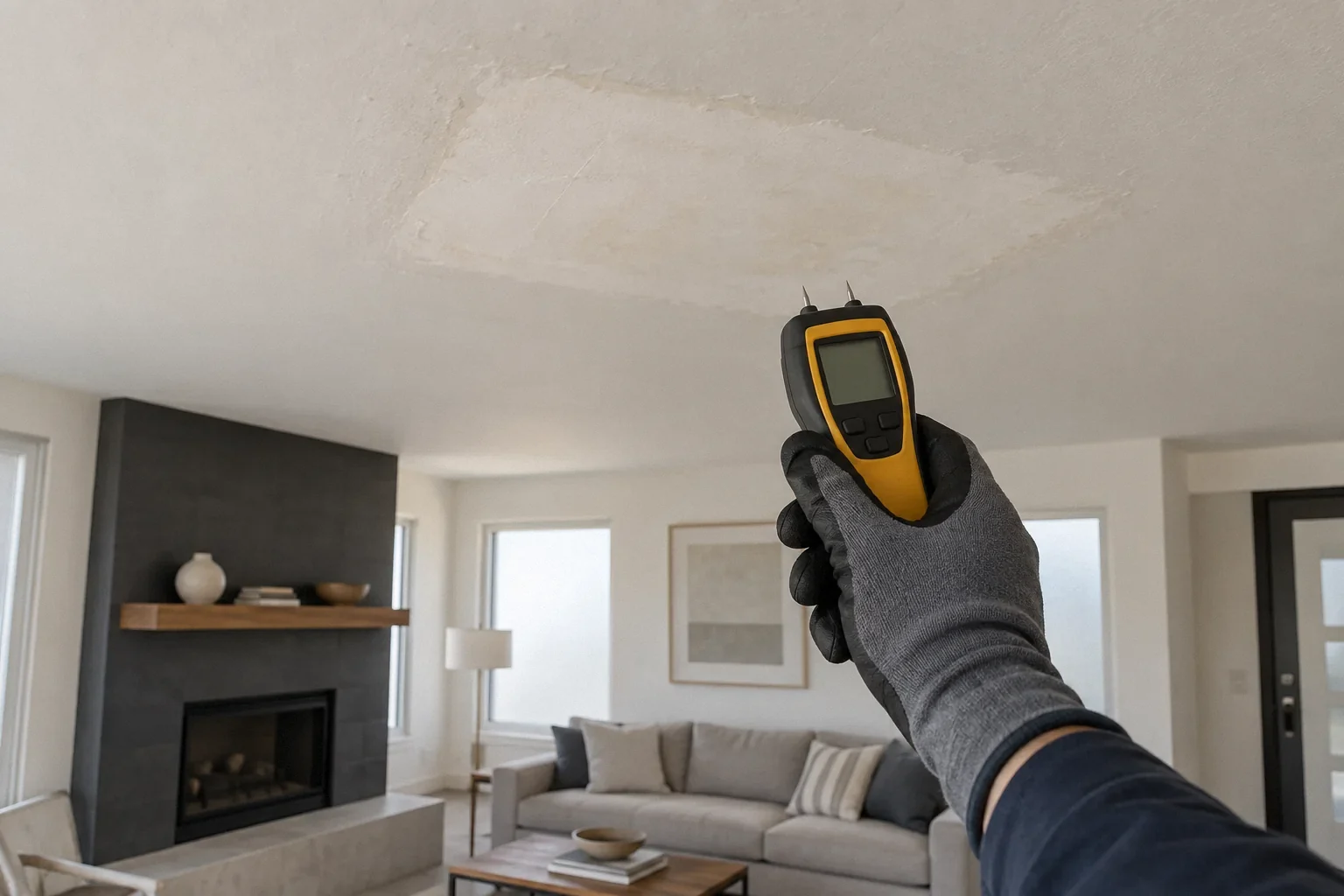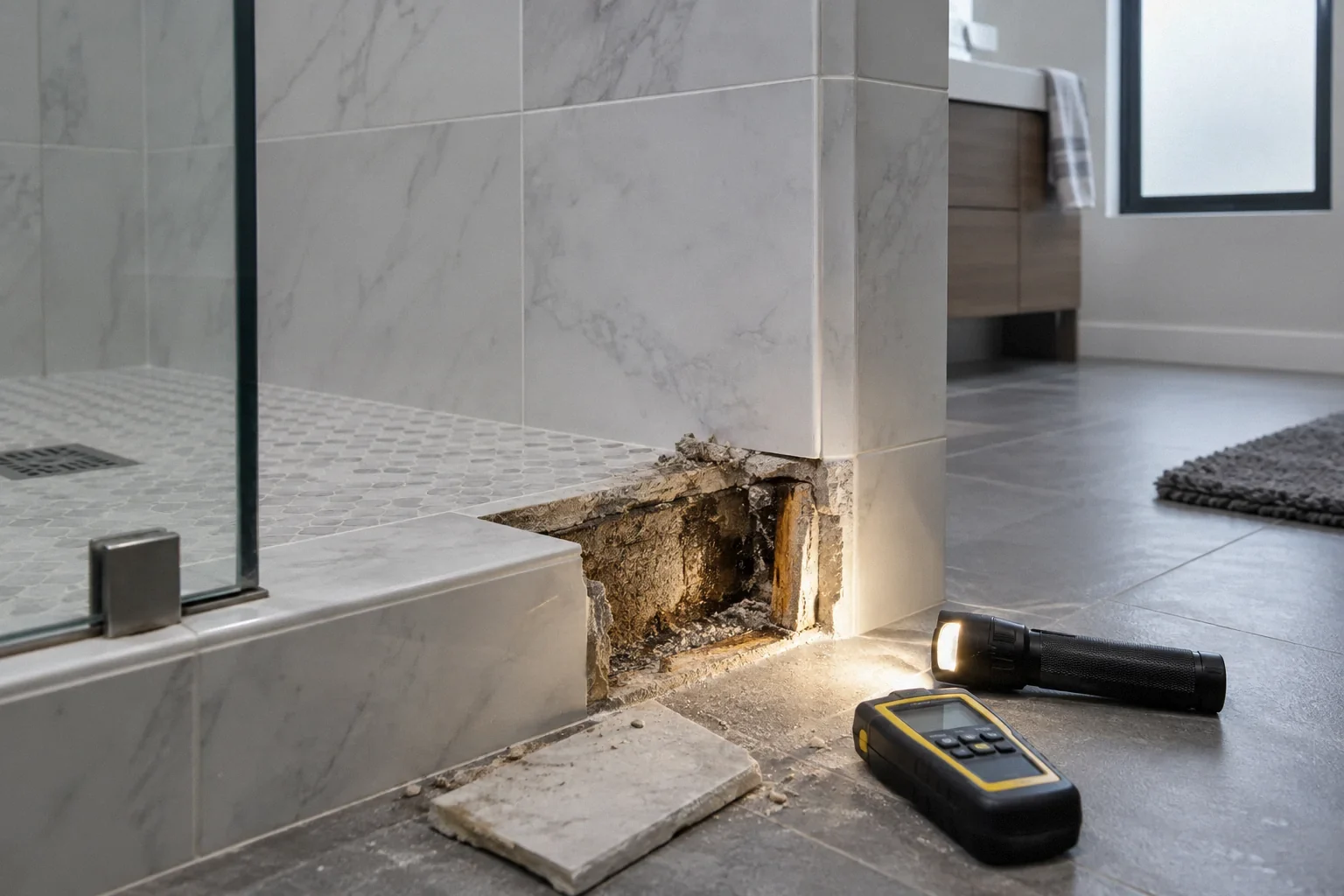
Short answer: treat a shower moisture finding as an unknown until a specialist identifies the cause, and get that diagnosis before your inspection contingency ends. A shower can leak from a supply pipe or valve, the drain connection, a failed joint at the glass or curb, or a waterproofing layer behind the tile that is missing or damaged. Those causes range from a small repair to rebuilding the shower and repairing framing and subfloor. Once you know which it is, you can decide whether to ask the seller to repair before closing, negotiate a credit or price reduction, or walk away. Manufacturer guidance is clear on one technical point that shapes the decision: tile, grout and sealants are not waterproofing. LATICRETE's flood testing guide TDS 169 says they "are not substitutes for waterproofing materials" and that a dedicated membrane is required.
This guide walks through the escrow decision step by step, with a worked example. It is general information current as of 3 October 2026, not legal or construction advice.
What buyers run into
A buyer under contract described an inspection report recording a 100% moisture meter reading at the shower pan edge, moisture stains on the floor and wood damage at a corner; the inspector recommended replacing the whole shower, and the buyer was unsure whether a plumber or a remodeler should look at it. Another owner bought a house knowing one shower leaked, chose not to press the issue because they were getting credits for other items, and later learned from a plumber that the pipe was not the source. A third owner had two contractors each insist a leak was "definitely" bad grout; the shower was regrouted and the wet spot came back within days. These are personal accounts, not verified diagnoses. A meter reading of 100 on a relative scale is not necessarily 100% moisture content; the instrument, substrate and nearby metal affect interpretation. Together they show the pattern to avoid: guessing at the cause and pricing the wrong repair.
Why the cause matters so much
| Possible source | Typical clue | Who diagnoses | Scope if confirmed |
|---|---|---|---|
| Supply pipe or valve | Leak occurs whenever the valve is on, even without spray on the walls | Licensed plumber | Usually access through a wall panel or ceiling, valve or fitting repair |
| Drain connection | Leak appears below the drain when water runs down it | Plumber | Drain repair; may require opening the floor depending on the system |
| Door, glass or curb joint | Leak only when spray hits a particular area | Tile or shower specialist | Sealant or door adjustment, if the waterproofing behind is sound |
| Waterproofing layer (pan liner, membrane) or curb | Persistent moisture at the pan edge, stains, damaged wood around the base | Tile/waterproofing specialist, often after a test or exploratory opening | Often removal of tile and pan to rebuild; framing and subfloor repair |
The table is a starting point for questions, not a diagnostic tool. Only someone who can test and, where needed, open the assembly can confirm the source. See which trade to call for a shower leak.
Step-by-step inside escrow
- Calendar your deadlines. Note the inspection contingency date in your purchase agreement. If disclosures arrive late, California's Civil Code § 1102.3 gives a separate termination window; see seller disclosures.
- Check the seller's disclosures for any mention of shower leaks, repairs or water damage, and ask in writing about past leaks and repairs.
- Get a cause diagnosis. Ask the seller's permission for a specialist to run controlled tests: water on the valve only, then on each wall, then down the drain. Ask whether a limited exploratory opening is acceptable, and agree in writing who restores it. Testing a known leak can worsen damage: the specialist should choose a controlled method, protect affected areas and stop immediately if leakage occurs. Do not flood an occupied shower on your own to prove a defect.
- Look below and around. If there is a ceiling or crawl space beneath the shower, the specialist should check framing and subfloor for staining, softness or mold growth. For mold questions, see mold found during a remodel.
- Get a written scope and estimate from a licensed contractor for the repair the diagnosis supports, including the waterproofing system they would use and whether a permit is needed in your city.
- Decide your request: repair before closing, credit or price reduction, or cancellation within the contingency.
Your general inspector generally cannot sell you the repair: Business and Professions Code § 7197 generally bars home inspectors from offering repairs for a fee on a structure they inspected in the past 12 months, subject to exceptions in the statute. Hire a separate licensed contractor and verify the license on the CSLB lookup.
Repair before closing or take a credit?
| Option | Advantages | Risks | How to protect yourself |
|---|---|---|---|
| Seller repairs before closing | Problem addressed before you own it; no cash needed after closing | Seller controls contractor choice and quality; repair may be cosmetic | Specify scope in writing (including waterproofing method and permit if required), require licensed contractor, invoices, photos of the open assembly and any test before tile; reinspect before removing contingency |
| Credit or price reduction | You choose the contractor and the method | Hidden damage can exceed the credit; lender limits on credits may apply | Base the amount on a written estimate that includes a contingency for framing or subfloor repair; confirm with your lender |
| Cancel | No exposure to the unknown | Lose the house and inspection costs | Cancel in writing within the contingency deadline |
Worked example
Suppose an inspector records high moisture at the base of a tiled shower over a crawl space and notes darkened subfloor visible from below. The seller offers a credit equal to one handyman's quote to "regrout and caulk." A specialist's controlled test shows no leak with only the valve running and no leak down the drain, but wetting appears below within minutes when water runs over the shower floor near the curb. That points to the floor waterproofing or curb, not the grout alone. The specialist's estimate covers removing the floor tile and curb, replacing the pan with a manufacturer-specified system, and an allowance for subfloor replacement once it is exposed. The buyer counters with a credit based on that estimate, or asks the seller to have the work done with a permit if required, a flood test of the new pan before tile, and photos of the open subfloor. The figures will vary by house; the logic is to price the repair the diagnosis supports, not the cheapest guess.
If you choose to rebuild after closing
- Ask contractors to name the waterproofing system and follow its manufacturer's instructions; see shower waterproofing methods.
- Ask for a flood test of the pan before tile. Have the installer follow the chosen system's cure time and test procedure, together with the inspector's requirements. LATICRETE's TDS 169 illustrates why containment, monitoring and a drainage plan matter; its procedure is not a universal recipe for every shower. See shower pan flood tests.
- Ask whether your city requires a permit and a pan inspection for the work.
- Put the waterproofing method, flood test and warranty in the contract; see new shower leaking after a remodel.
Mistakes to avoid
- Accepting "it's just grout" without a test.
- Pricing a credit on cosmetic repair when the evidence points to the pan.
- Letting the contingency expire while waiting for a contractor.
- Letting the seller's repair be covered with new tile before you see the open assembly.
- Assuming insurance will cover long-standing leakage; read insurance considerations and ask your insurer.
Checklist
- Contingency and disclosure deadlines calendared
- Seller asked in writing about past leaks and repairs
- Controlled tests: valve, walls, floor, drain
- Below-shower framing and subfloor checked
- Licensed contractor scope naming the waterproofing system
- Decision: repair (with documented scope), credit (estimate-based) or cancel
- Reinspection or documentation before contingency removal
Current as of 3 October 2026. Purchase agreement terms control contingency deadlines; confirm with your agent.
Questions that come up next
Is a shower leak found during inspection a dealbreaker?
Not necessarily. It depends on the cause. A valve or sealant problem can be modest; failed waterproofing with damaged subfloor is a larger rebuild. Get a specialist diagnosis and estimate before your contingency ends, then decide whether to request repair, a credit or to cancel.
Can regrouting fix a leaking shower?
Grout is not waterproofing. LATICRETE's flood testing guide states that tile, grout, adhesives and sealants are not substitutes for waterproofing materials. Regrouting may help appearance or a minor surface issue, but it will not fix a failed pan or membrane.
Should I ask for a credit or for the seller to fix it?
A credit lets you choose the contractor and method but may not cover hidden damage. A seller repair addresses it before you own the house but gives you less control. If the seller repairs, specify the scope, licensed contractor, permits if required and documentation before tile goes back on.
Can my home inspector fix the leak?
Generally no. California Business and Professions Code § 7197 bars inspectors from offering repairs for a fee on a structure they inspected in the past 12 months, subject to limited statutory exceptions. Hire a separate licensed contractor.
Sources and further reading
Community questions behind this guide
These discussions identify homeowner concerns. Forum comments are personal accounts, not code or legal authority.