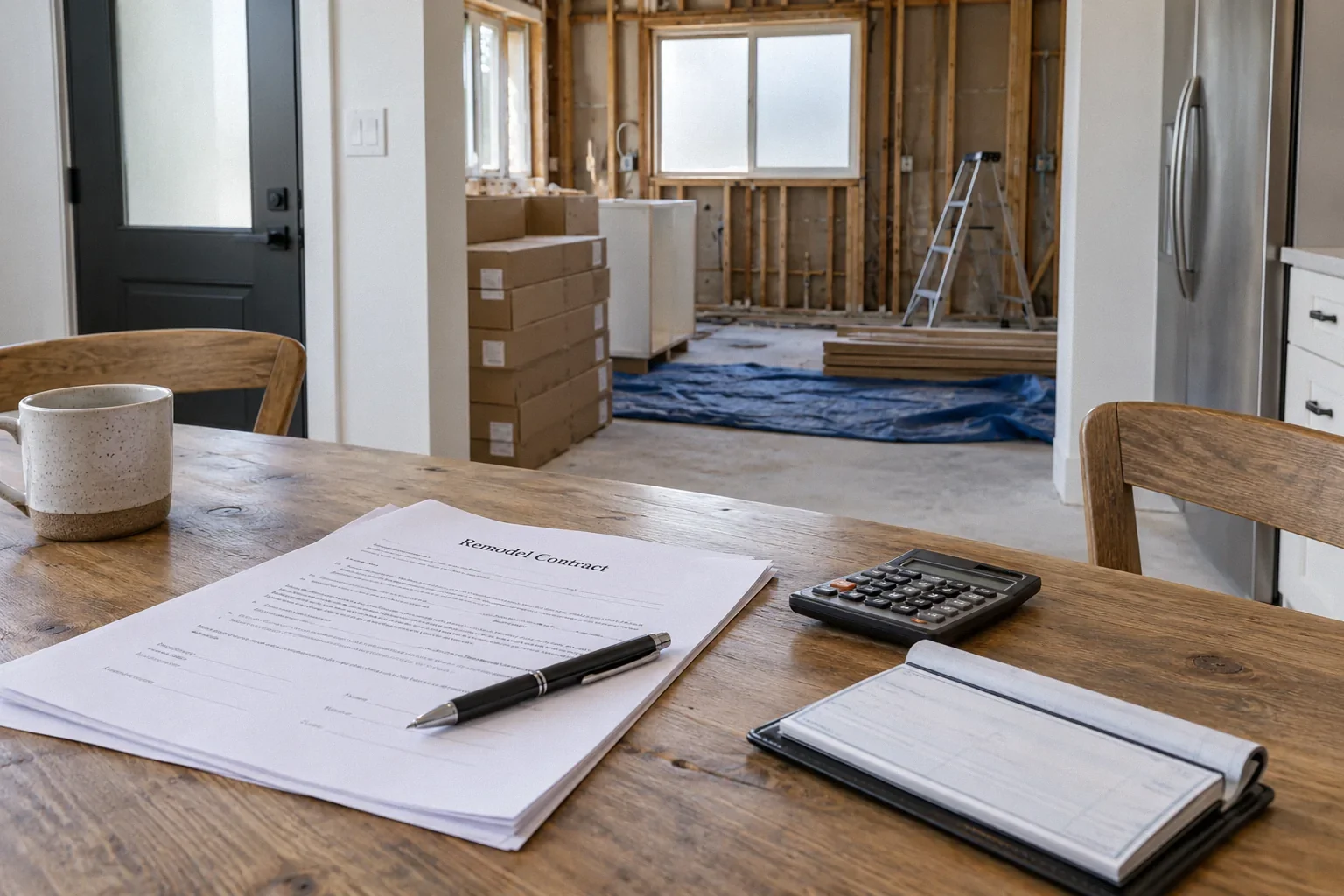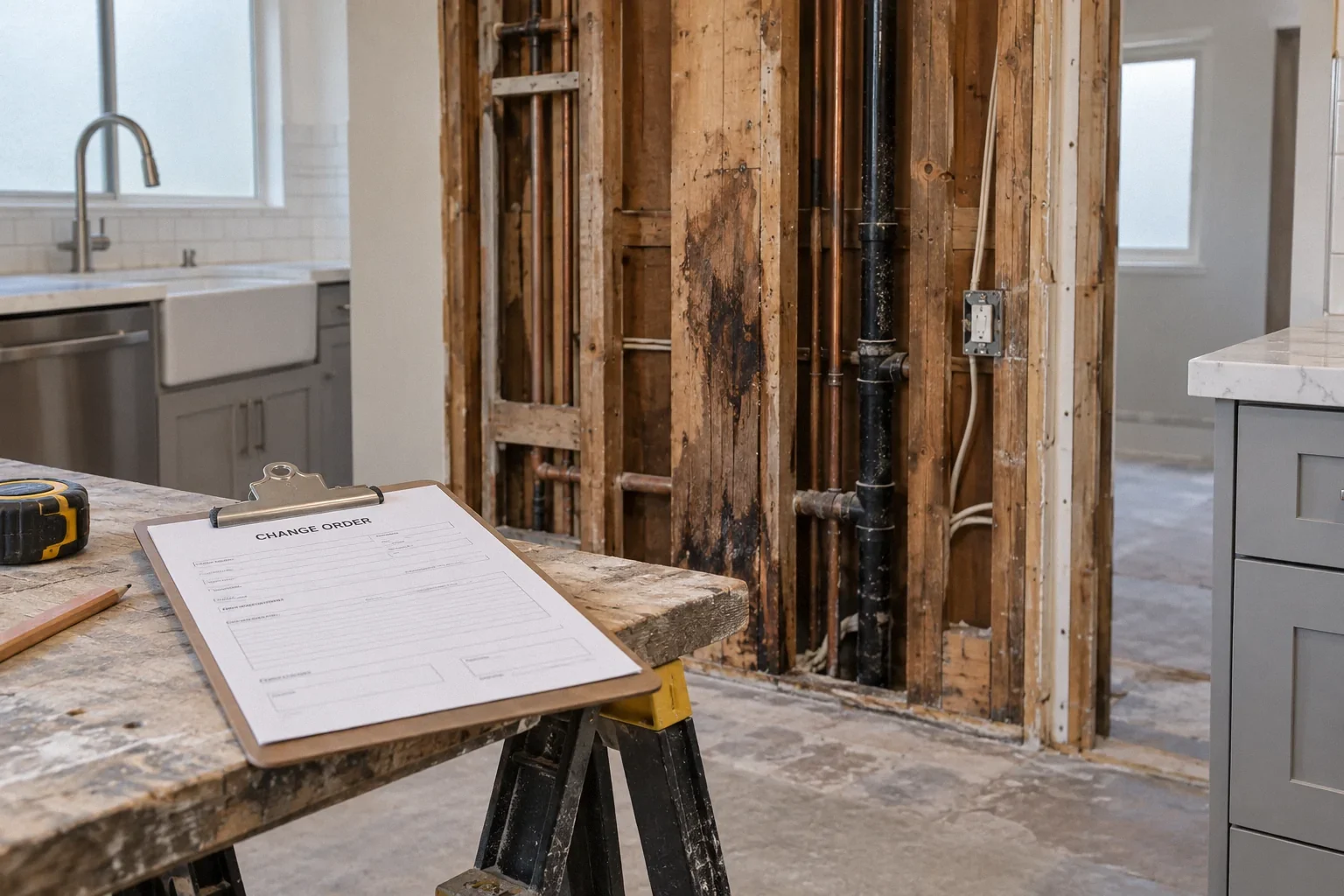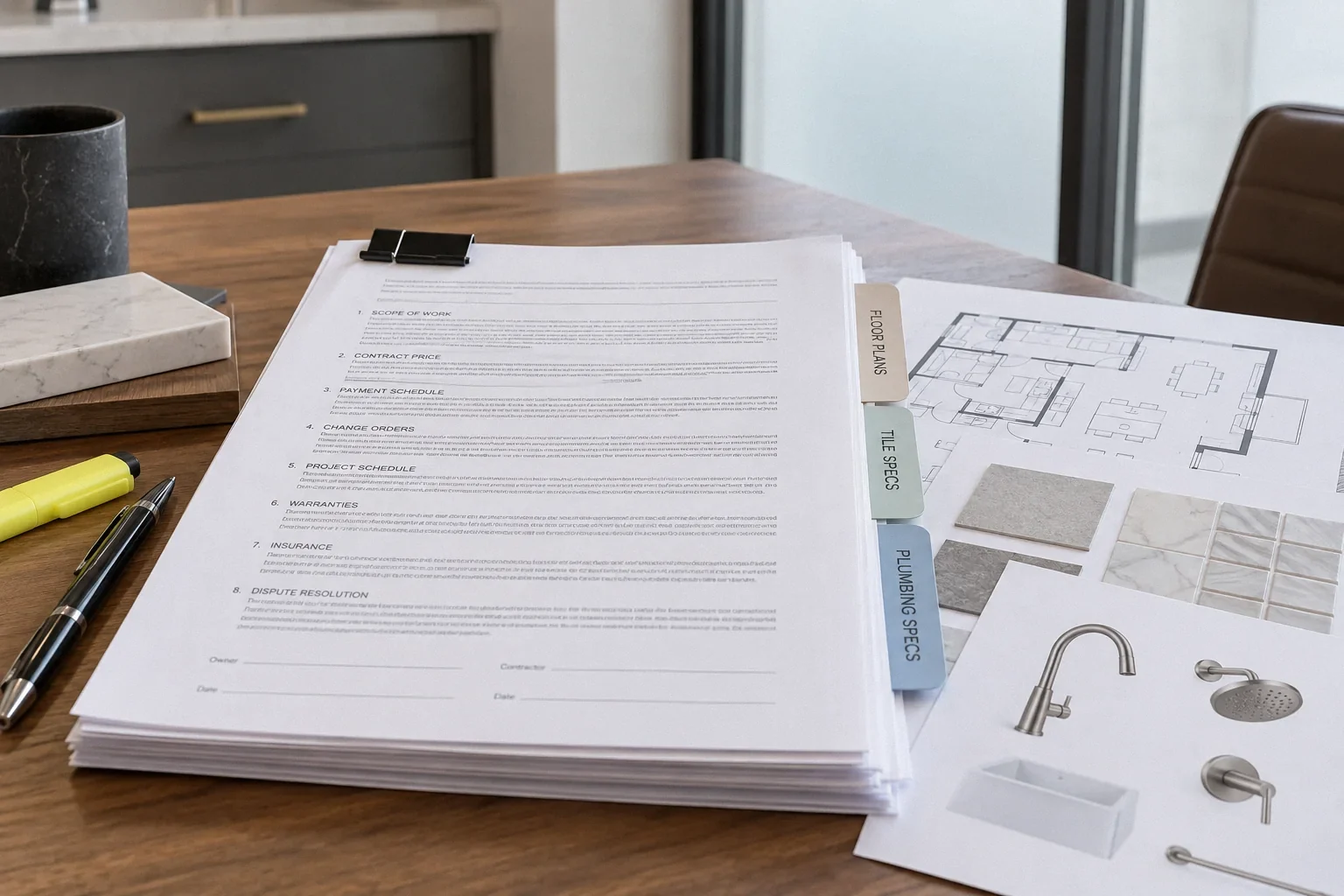
Short answer: it depends on which money you mean. Three different things tend to get lumped together as 'the final payment': (1) earned progress payments for work that is done; (2) a contractual retention, a portion of earned payments held back under the contract until completion; and (3) money for work not yet performed, which is not owed until it is. Apart from a lawful down payment and any applicable statutory bond exception, contractor progress payments cannot exceed the value of work performed or materials delivered. But California's private works payment provisions limit what you may hold back from amounts that are due. In a good-faith dispute about a payment, an owner may withhold up to 150% of the disputed amount from a progress payment (Civil Code § 8800) or a retention (§ 8812). Wrongfully withholding a progress payment can bring a 2% per month penalty and attorney fees. A contract can set when payments fall due, for example after final inspection, but it does not authorize holding back money that is due and undisputed. Confirm with an attorney how these provisions apply to your contract if real money is at stake.
Three pots of money, three different rules
| Money | When it is owed | What you may hold back |
|---|---|---|
| Earned progress payment | When the contract says, and under § 8800 within 30 days after a proper payment demand unless otherwise agreed in writing | Only up to 150% of an amount in good-faith dispute; pay the rest |
| Contractual retention | Under § 8812, within 45 days after completion of the work of improvement, if retention was withheld | Up to 150% of a good-faith disputed amount. For contracts from 1 January 2026, § 8811 (SB 61) caps retention at 5%, but that cap does not apply to a residential project that is not mixed-use and does not exceed four stories, which covers most house remodels. There, the contract sets the retention amount |
| Work not yet performed | Not owed until performed (or materials delivered) | For ordinary progress billing, it is not yet earned; keep the lawful down-payment rules separate (BPC § 7159.5) |
This is general information current to 3 October 2026, not legal advice.
Both sides of the end-of-job standoff
An owner with about 13% of a kitchen remodel still unpaid wrote that issues raised repeatedly during the job had not been fixed. They were reluctant to pay anything more until they were, while a spouse favored paying half on a promise. An owner closing out a year-long remodel was advised not to pay the final invoice until disputes were settled. In the same thread, a contractor described customers holding back $20,000–$50,000 over about $2,000 of fixes. A California homeowner posted a contractor's demand letter threatening a lien plus 2% monthly interest under the 'prompt payment' statutes over a disputed $4,600. These are anecdotal accounts. Together they show why the size of what you withhold matters as much as whether you withhold at all.
What the Civil Code says
| Provision | What it says |
|---|---|
| § 8800, progress payments | Unless otherwise agreed in writing, the owner pays any undisputed progress payment within 30 days after a notice demanding payment under the contract. In a good-faith dispute, the owner may withhold up to 150% of the disputed amount. Wrongful withholding: 2% per month penalty; the prevailing party in a collection action recovers costs and reasonable attorney fees |
| § 8812, retention | If the owner withholds a retention, it pays the retention to the direct contractor within 45 days after completion of the work of improvement. In a good-faith dispute, the owner may withhold up to 150% of the disputed amount |
Two things follow. First, the dispute must be a good-faith dispute about the payment: for example, whether work billed in that payment was done, or done as the contract requires. An unrelated grievance does not qualify. Naming a specific defect is a starting point, not proof of good faith, which depends on whether the claim is genuinely held and reasonably supported. Document it with photos and, for larger items, an independent assessment. Second, the cap is tied to the disputed amount, not to the whole balance. If a reasonable cost to fix the open items is $2,000, holding back $40,000 invites exactly the penalty and fee exposure these sections describe.
A worked example
Hypothetical figures, for arithmetic only. A kitchen contract is $80,000 plus one approved $1,500 change order. The owner has paid $74,000 against completed milestones. The contractor sends a final invoice for the remaining $9,000, which includes a further $1,500 change order the owner never signed. At the walkthrough, three items are open: a chipped countertop edge, a misaligned cabinet door and missing trim. An independent licensed contractor estimates $1,200 to correct them.
- Undisputed portion: $9,000 − $1,500 (unsigned change order) = $7,500 billed under the contract.
- Punch-list dispute: the open items relate to work billed in this payment. Up to 150% of $1,200 = $1,800 may be withheld while they are corrected.
- Change order dispute: the owner disputes owing the $1,500 at all, in writing. See change orders.
- Pay now: $7,500 − $1,800 = $5,700, with appropriate conditional releases that expressly preserve the disputed amounts and unpaid retention, plus a written list of the punch items, the $1,800 held and why, and the disputed change order.
If the owner instead held the whole $9,000 over $1,200 of fixes, they would risk the penalty and fee provisions of § 8800, and a lien. If the contract had said the final payment was due only after final inspection, and the inspection had not yet occurred, the timing would differ. The 150% limit on disputed amounts would still apply once the payment was due.
Make it contractual before you start
The cleanest leverage is agreed in advance. Our payment schedule guide suggests a final milestone tied to completion and final inspection sign-off, with any contractual retention complying with applicable caps. Write it as a contract term, for example:
- Final payment is due within an agreed number of days after: (a) the building department's final inspection approval; (b) completion of a written punch list signed by both parties; and (c) delivery of conditional final lien releases, with unconditional final releases to follow once payment clears.
- A walkthrough date for creating the punch list, and a deadline for completing it.
- A mechanism for items that cannot be completed promptly, such as a back-ordered part: release of the payment minus a stated amount for that item.
A term like this is a negotiated agreement, not an automatic right. It should define when the final payment becomes due without overriding mandatory prompt-payment or retention-release requirements. It does not let either party hold back amounts already due for earned work outside the good-faith dispute rules. It also gives both parties a clear finish line.
A fair close-out process
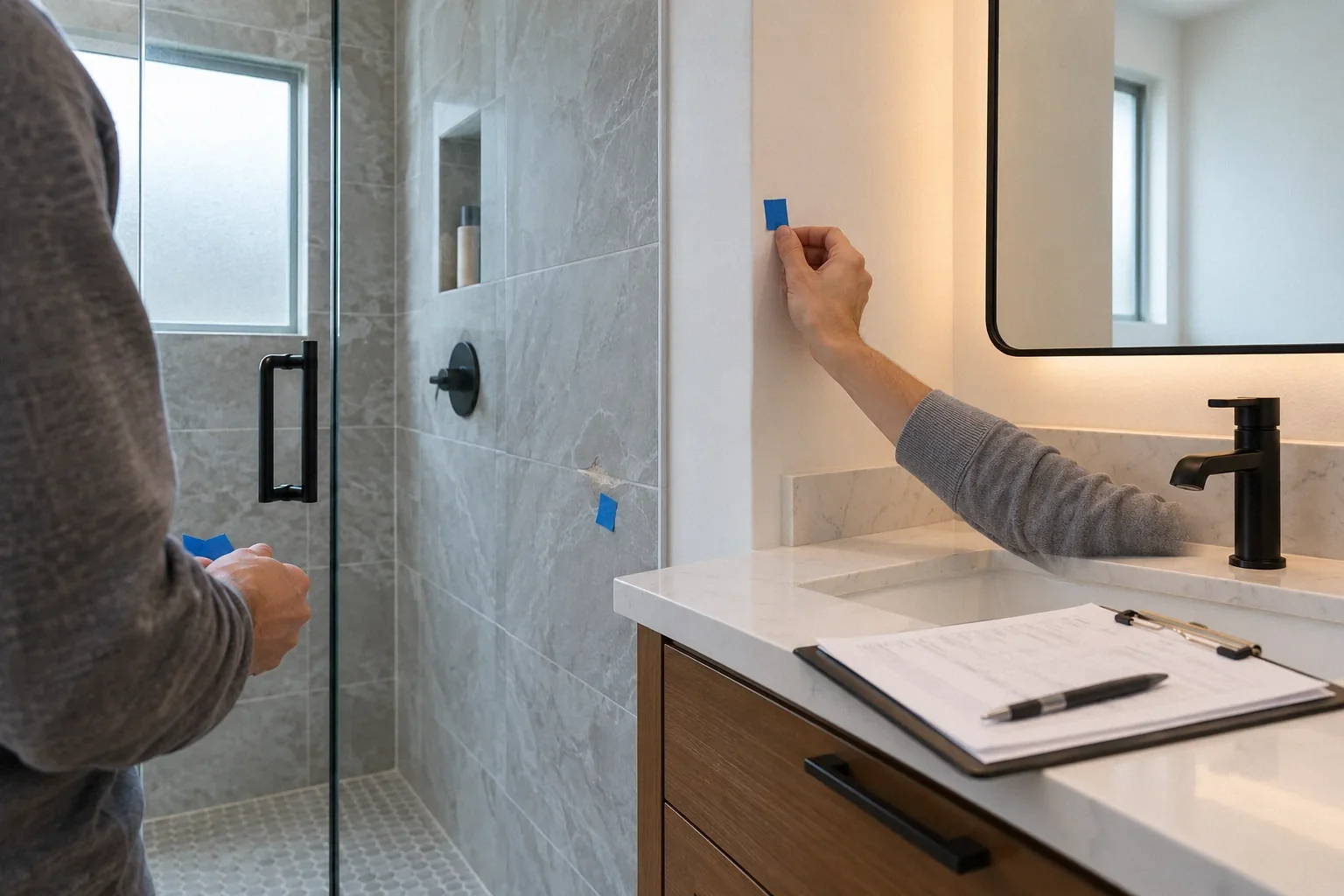
- Walk the job together and write the punch list item by item, with photos and locations.
- Separate defects from new wishes. A cracked tile is a punch-list item. A different backsplash is a change order.
- Price each disputed item realistically. If you disagree with the contractor, an independent licensed contractor's written estimate helps.
- Pay the undisputed balance and withhold only an amount tied to the open items, within the 150% limit where it applies. Say in writing what you are withholding and why.
- Collect releases. Get conditional final releases with the final payment and unconditional ones once it clears, and check the through dates and exceptions. See our lien release guide.
- Close the permit. Make sure the final inspection is recorded as approved.
- If items remain unfinished after a reasonable deadline, notify in writing before hiring someone else, and keep records of the cost.
Edge cases that change the answer
| Situation | Key question | Practical approach |
|---|---|---|
| Final inspection fails because the contractor's work does not match the approved plans | Is the final payment due yet under your contract? | If the contract ties the final payment to final approval, it is not yet due. Send the inspector's correction notice to the contractor in writing and ask for a date to correct and re-inspect |
| Final inspection is delayed because you have not scheduled it or have not provided an owner certification the department requires | Is the delay on your side? | Do your part promptly. Holding payment over a delay you caused weakens any claim of good faith |
| Contractor stops returning calls with a short punch list open | Has the contractor effectively abandoned the remaining work? | Written notice with a deadline; keep the disputed amount within the 150% limit; document what another contractor charges to finish. See abandoned jobs |
| A defect appears after you paid in full | Is it covered by a written warranty or by the contractor's legal responsibility for defective work? | Notify in writing with photos; ask for a repair date. Payment leverage is gone, so the contract's warranty terms and your other remedies matter. See CSLB complaints |
| You move back in before the punch list is finished | Does occupancy affect 'completion' for retention or lien timing? | Completion can be judged by use or acceptance as well as by a recorded notice, so record dates of occupancy and the open items in writing |
| A subcontractor sends a preliminary notice near the end | Could you end up paying twice? | Ask for that subcontractor's conditional release with the final payment, or use a joint check. See our lien guide |
A sample withholding letter, in outline
- Reference the contract, date and the invoice you are responding to.
- State the amount you are paying now and the amount you are holding.
- List each open item with location, a photo reference and the estimated cost to correct, and say how you arrived at the estimate.
- Identify any change order you dispute and why, for example that it was never signed.
- Propose a walkthrough date and a completion deadline.
- State that you will release the held amount, less any agreed credit, when the items are completed, against conditional releases.
Keep the tone factual. The letter may later be read by a mediator, a CSLB analyst or a judge, and how reasonable it looks is part of what is being judged.
Comparison: reasonable vs risky withholding
| Scenario | Reasonable | Risky |
|---|---|---|
| Three cosmetic punch-list items | Hold an amount tied to their reasonable cost | Hold the entire final payment indefinitely |
| Final inspection not yet passed | Hold per a contract term tied to final inspection | Hold with no contract term and no specific defect |
| Disputed change order | Pay the undisputed balance; dispute the change order in writing | Refuse all payment until the change order is dropped |
| Serious defect, such as a leaking shower | Withhold within the disputed-amount limit, give notice, get an independent assessment | Withhold everything and stop communicating |
Mistakes to avoid
- Adding new requests to the punch list
- Withholding without saying what is disputed
- Paying in full before releases or final inspection
- Letting the punch list drag on with no dates
- Assuming a contractor's lien threat is empty. It may be valid, and § 8800 has fee and penalty consequences. Read our lien guide and get advice
Bay Area applicability
These payment rules are state law. The local piece is the final inspection: how it is scheduled and recorded, and which certifications the department collects at final. Pleasanton's kitchen handout, for example, lists a water-conserving fixtures certificate and smoke and carbon monoxide alarm verification at final. Requirements vary, so check your own permit record before treating 'final' as done.
Current to 3 October 2026.
Questions that come up next
How much of the final payment can I hold back for unfinished work?
Where California's private works payment provisions apply, an owner in a good-faith dispute may withhold up to 150% of the disputed amount from a progress payment or retention (Civil Code §§ 8800, 8812). Tie the amount to the realistic cost of the open items.
What happens if I withhold too much?
Under Civil Code § 8800, an owner who wrongfully withholds a progress payment can owe a 2% per month penalty, and the prevailing party in a collection action recovers costs and reasonable attorney fees. The contractor may also have lien rights.
When must retention be paid on a California project?
Civil Code § 8812 says an owner who withholds retention pays it to the direct contractor within 45 days after completion of the work of improvement, subject to withholding up to 150% of a good-faith disputed amount.
Can I make final payment depend on passing final inspection?
Yes, if you write it into the contract. It is a negotiated term, not an automatic statutory right, so agree it before work starts.
Sources and further reading
- California Civil Code § 8800 (progress payments; good-faith dispute; penalty)
- California Civil Code § 8812 (retention payment within 45 days)
- California Civil Code § 8811 (5% retention cap from 2026; residential exception)
- California Business and Professions Code § 7159.5
- CSLB: How to Prevent a Mechanics Lien
- City of Pleasanton: Residential Kitchen Alteration Requirements (JLA 01.26)
Community questions behind this guide
These discussions identify homeowner concerns. Forum comments are personal accounts, not code or legal authority.