Short answer: first document the site and the paper trail. Then send a dated written notice asking the contractor to resume work by a specific date, as your contract requires. Check the contractor's license, bond and workers' compensation status on CSLB's website, and collect the lien releases you are owed for amounts already paid. If work does not resume, a CSLB complaint and a claim against the contractor's $25,000 license bond are available alongside court remedies. Abandoning a construction project without legal excuse is a ground for discipline under BPC § 7107. Before you hire someone else to finish, get advice on terminating the original contract properly, because a premature termination can turn you into the party in breach.
This is general information current to 3 October 2026, not legal advice.
What abandonment looks like in practice
Homeowners describe a recognizable sequence. An owner planning a new remodel wrote that a previous contractor had taken all their money after a flood and left them 'high and dry'. Another, on a 50/50 payment contract, worried that paying an extra draw might mean the work would never be finished, and a commenter suggested the contractor might have a cash-flow problem. In California, an owner who fired a GC mid-remodel over failed inspections and licensing concerns reported a mechanics lien the next day. These are anecdotal accounts. They show that 'abandonment' can range from a contractor who has vanished to a slow, contested breakdown, and the right response depends on which you are facing.
Is it really abandonment?
| Sign | Could be abandonment | Could be something else |
|---|---|---|
| No crew for a week | If no explanation is given and calls go unanswered | Waiting for inspection, materials or a subcontractor |
| Unreturned calls and texts | If sustained after written requests | Illness or a family emergency; send written notice anyway |
| Demands for money before resuming | If payment would exceed completed work | A legitimate earned progress payment that is overdue |
| Equipment removed from site | Strong indicator | Moving to another phase, or securing tools |
Section 7107 refers to abandonment without legal excuse. A contractor who stops because a payment that is truly due has not been made may have an excuse. That is why it matters that your own side of the contract is in order. See progress payments.
Step-by-step response
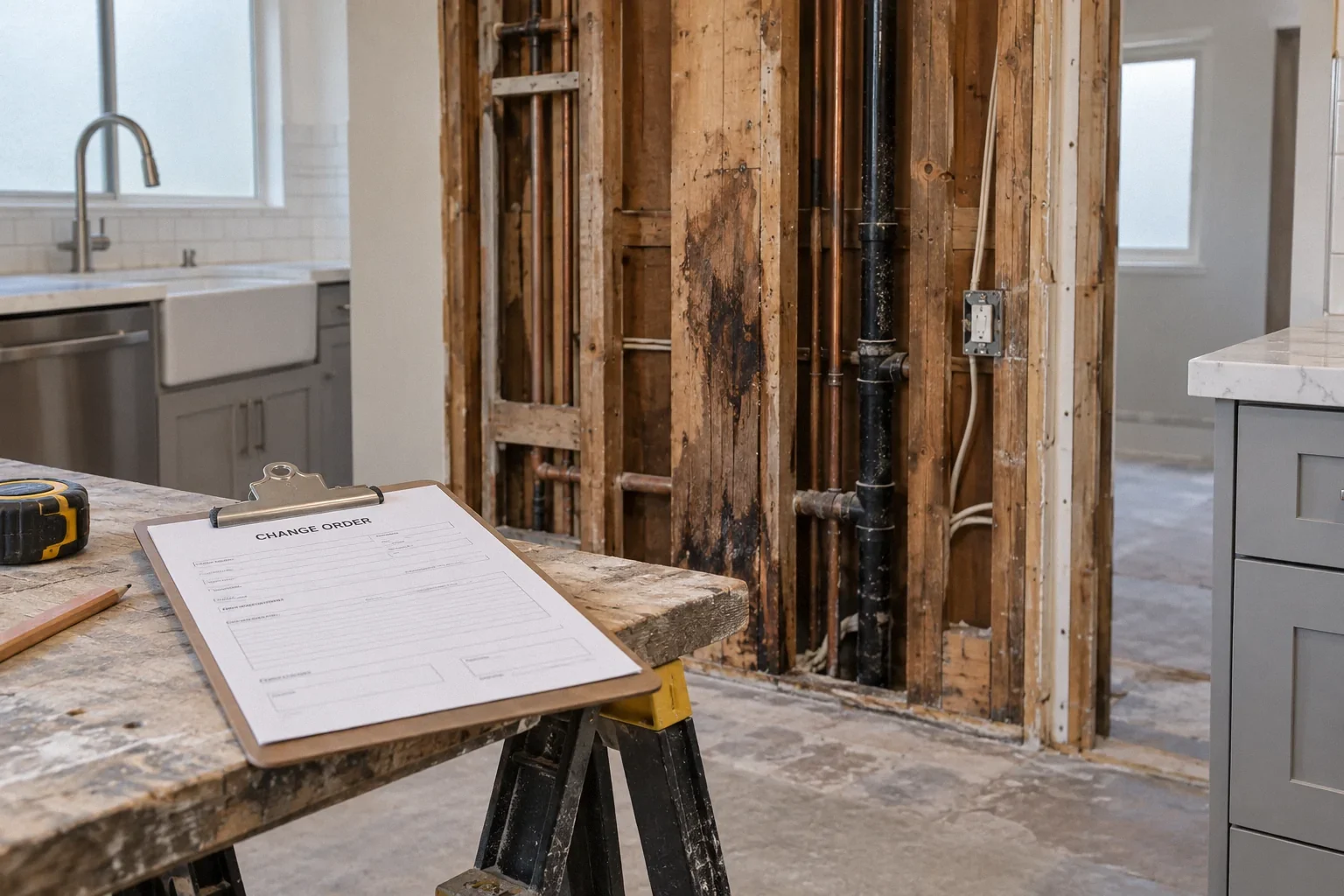
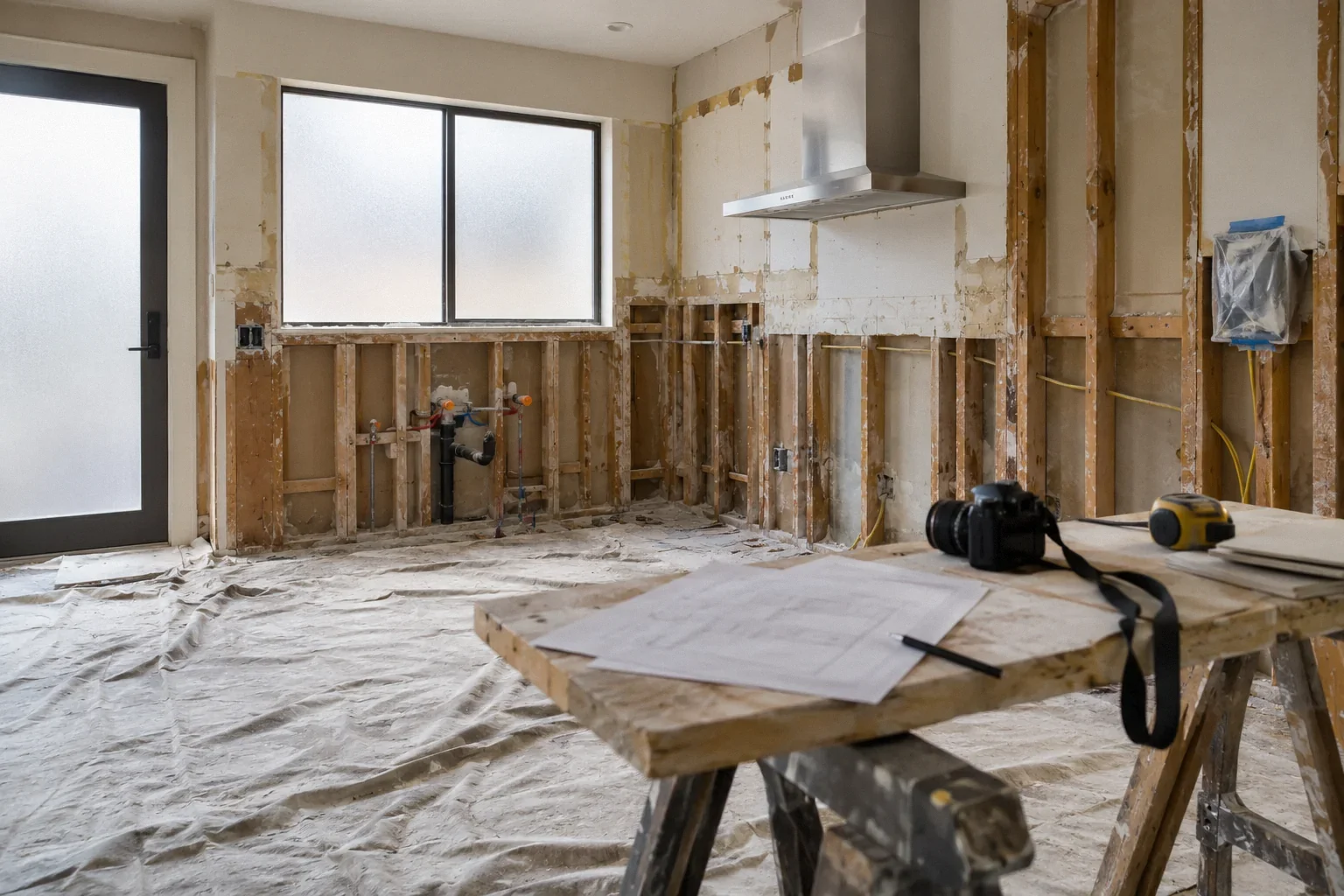
- Secure and document the site. Take dated photos and video of every area, including open walls, exposed wiring or plumbing, and materials on site. Address safety and weather exposure first. If the work involves permits, note the status on the permit card or your building department's online record.
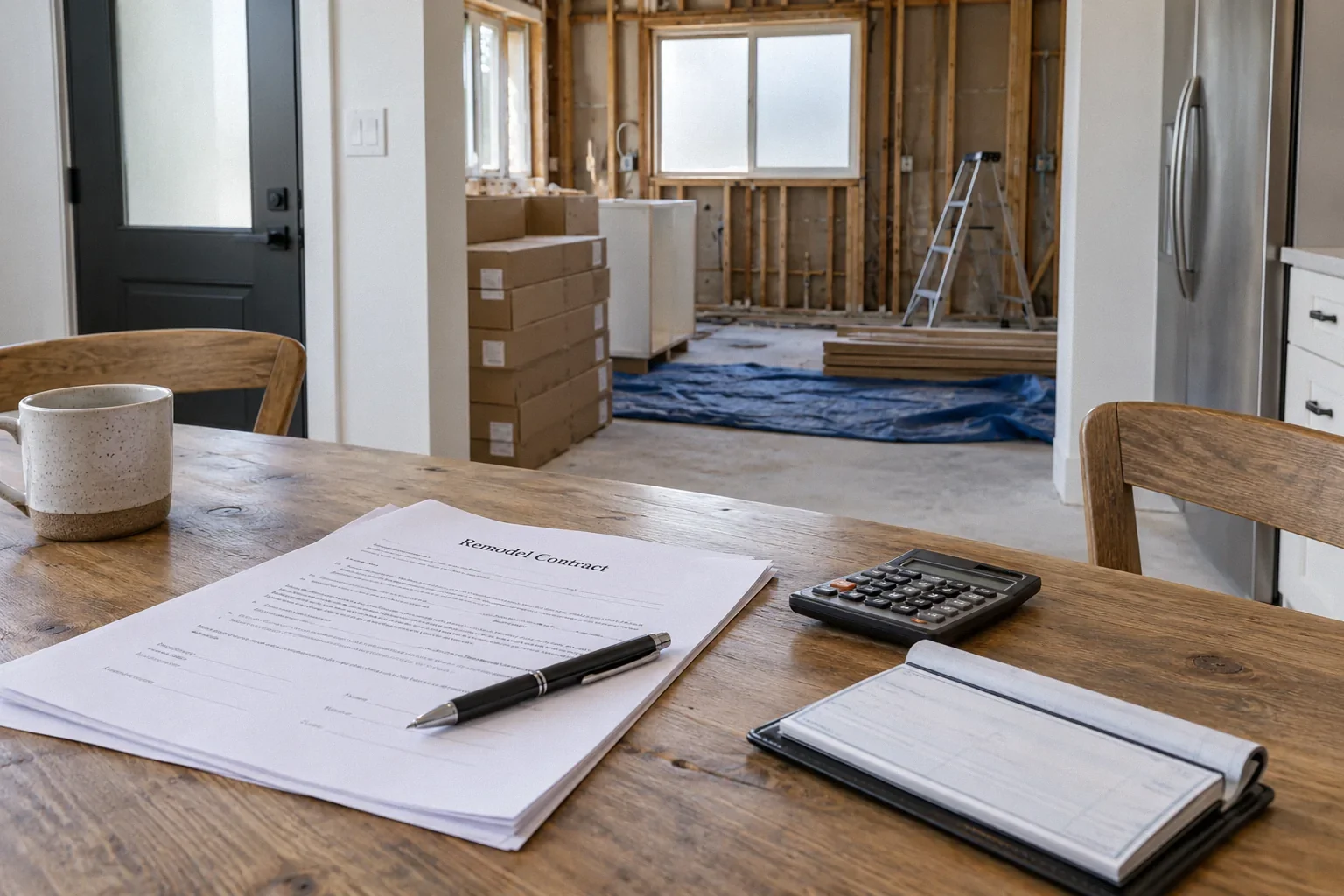
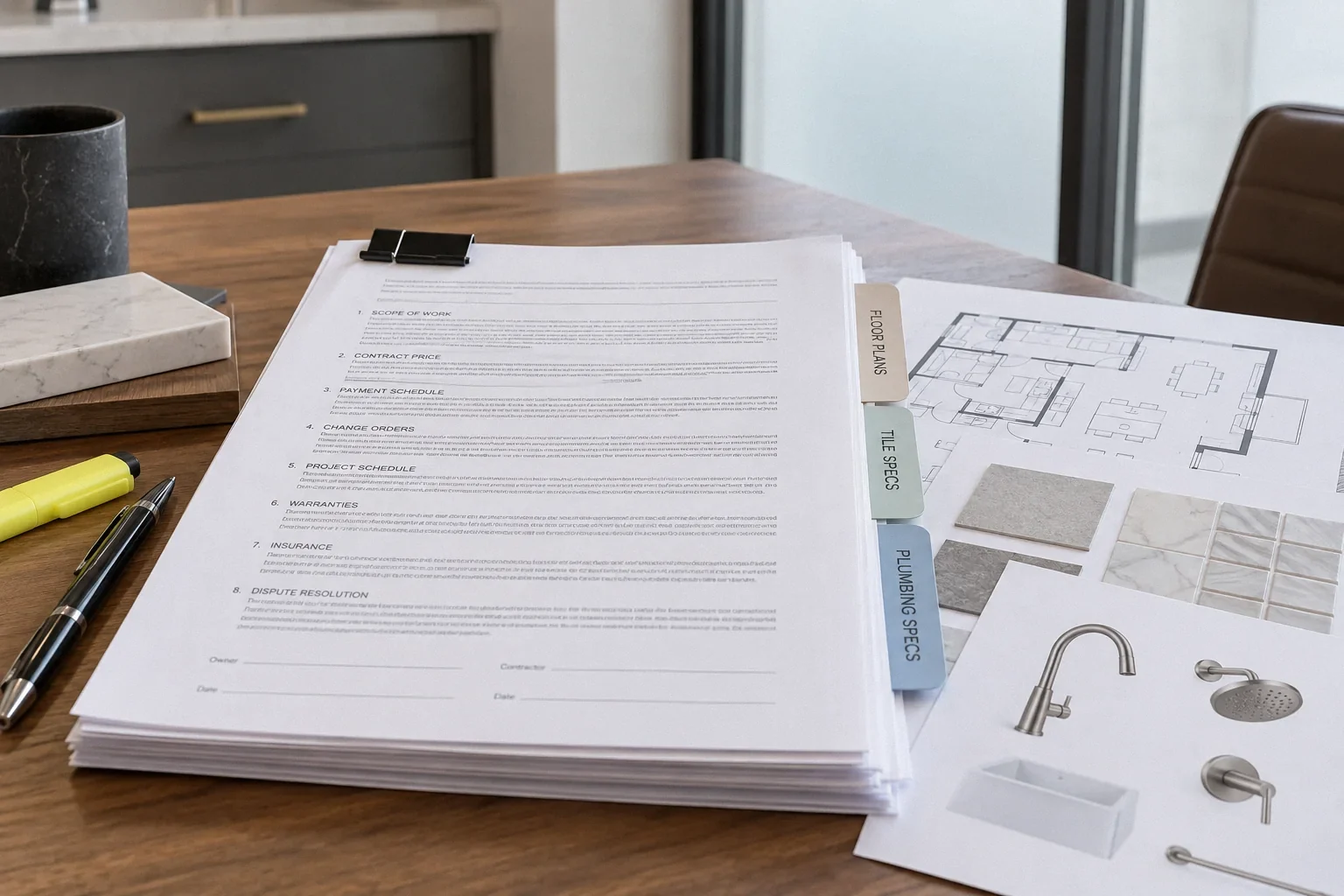
- Assemble the paper trail. Contract, change orders, invoices, proof of payments, lien releases received, preliminary notices, and all messages.
- Compare payments with progress. Write down the value of work completed and materials delivered against what you have paid. California bars contractors from accepting payment that exceeds the value of work performed or material delivered (BPC § 7159.5). If you are ahead, that is relevant to any claim.
- Send a written notice. Ask the contractor to resume work by a specific date, refer to the contract's schedule and any notice or cure clause, and request unconditional lien releases for amounts already paid. Send it to the contract's notice address by a method you can prove, such as certified mail and email.
- Check the license record. On the CSLB lookup, note whether the license is active, the workers' compensation status, and the 'Contractor's Bond History', which identifies the surety company.
- Watch the lien deadlines. Subcontractors and suppliers who were not paid may record liens. Keep preliminary notices, and see our mechanics lien guide.
- Get advice before terminating. The contract may require notice and an opportunity to cure. Terminating properly protects your position. Terminating hastily can expose you to a claim.
- File with CSLB if work does not resume. See below.
CSLB complaint and bond claim
CSLB accepts complaints against licensed and unlicensed contractors and addresses violations for up to four years from the date of the act. According to CSLB's description of the complaint process, staff may try to mediate, may refer qualifying disputes to arbitration (mandatory for $25,000 or less, voluntary between $25,000 and $50,000), and may investigate and issue citations or other discipline. CSLB’s post-complaint guidance also identifies up to ten years for some hidden structural defects. Court and bond deadlines are separate; filing a board complaint should not be assumed to preserve them. Ask promptly which deadlines apply to your facts. CSLB is also candid that it cannot guarantee you will get money back, and that for smaller claims it may point you to small claims court or the bond.
The license bond is a separate route. Since 1 January 2023, a contractor's license bond must be $25,000. CSLB's bond basics page explains that homeowners may file claims with the surety company, that CSLB does not process bond claims itself, and that claims must be filed within specified time frames. CSLB's bond guide notes that the bond amount is not per job. It is the amount available for all of the contractor's jobs over the life of the bond, so it may not cover a large loss. Treat it as one source of recovery, not a guarantee. More in CSLB complaints and bond claims.
Court options
For smaller amounts, small claims court is available. In California an individual can claim up to $12,500, and a business or other entity up to $6,250 (San Francisco Superior Court). Lawyers cannot represent parties in small claims hearings. Larger losses go to civil court, usually with an attorney. See small claims and contractor disputes.
Finishing the job with a new contractor
- Get the termination sorted first, with legal advice if the amount is significant.
- Have the new contractor document existing conditions before starting, so defects in the earlier work are recorded, not absorbed.
- Deal with the permit. Ask your building department how to change the contractor of record on an open permit. Procedures vary by city.
- Expect re-inspection. Concealed work may need to be opened if it was never inspected.
- Write a clear new contract covering what is being completed, what is being corrected, and how unknowns will be priced. See our contract checklist.
Mistakes that weaken your position
- Changing the locks or hiring a replacement before giving notice the contract requires
- Paying more to 'get them back' when payments already exceed the value of work done
- Losing track of preliminary notices and lien deadlines
- Relying on phone calls with no written record
- Waiting so long that complaint or bond-claim time frames run
Bay Area applicability
The licensing, bond and complaint rules are statewide. Locally, abandonment usually also means an open building permit. Contact your city or county building department early about the permit's status and expiration, and about the steps for changing the contractor of record. These procedures differ between departments.
Current to 3 October 2026.
Questions that come up next
Is it illegal for a contractor to abandon a job in California?
Under BPC § 7107, abandoning a construction project without legal excuse is a cause for disciplinary action against the licensee. Whether there was a legal excuse, such as nonpayment of an amount truly due, depends on the facts.
Can I get my money back through the contractor's bond?
Homeowners may file a claim with the surety that wrote the contractor's $25,000 license bond, identified in the license's bond history on CSLB's website. CSLB does not process bond claims, time frames apply, and the bond may not cover the full loss.
Should I fire my contractor and hire someone else?
Possibly, but first send written notice, follow any cure procedure in the contract, and get advice. Terminating improperly can expose you to a breach claim and liens.
How long do I have to file a CSLB complaint?
CSLB generally describes a four-year period from the violation, with up to ten years for some hidden structural defects. Court and bond claims have separate deadlines. Contact CSLB and obtain legal advice promptly rather than assuming one deadline covers every remedy.
Sources and further reading
- California Business and Professions Code § 7107
- California Business and Professions Code § 7159.5
- CSLB: Filing a Construction Complaint
- CSLB: Complaint Process Against Licensed Contractors
- CSLB: Bond Basics
- CSLB Fast Facts: A Guide to Contractor License Bonds (Rev. 12/22)
- CSLB: Bond Requirements
- CSLB: Check a License
- Superior Court of San Francisco: Small Claims
- CSLB: After You File Your Complaint
Community questions behind this guide
These discussions identify homeowner concerns. Forum comments are personal accounts, not code or legal authority.