Short answer: the Bay Area Air Quality Management District (the Air District) amended two rules in 2023 so that, on set dates, only zero-NOx (nitrogen oxides) appliances of certain types can be sold or installed in the region: small water heaters first, then furnaces, then large commercial water heaters. The rules apply to new appliances. They do not require you to remove a working gas water heater or furnace, and they do not apply to gas stoves or other cooking appliances. The first date, for small water heaters, is under review: the Air District says its Board will consider flexibility amendments in 2026 that could adjust the timeline. As of 3 October 2026, the Air District's rule page lists a Board hearing on 4 November 2026.
This article is general information verified on 3 October 2026, not legal advice, and the rules may change after publication. Check the Air District's current page before relying on any date.
Why people are confused
Headlines and forum threads often merge three different things: the Air District's appliance rules, city electrification ordinances, and utility or panel issues. In one Bay Area real estate thread, a poster wrote that major San Francisco remodels would soon require electric heating and hot water, and replies asked whether that was state law or a Bay Area law; one commenter described being told a panel change would require relocating a gas meter. Another owner asked whether to replace an old furnace with an electric furnace or a heat pump, and replies warned that panel and utility service upgrades can be expensive. A separate thread on upgrading to a 200-amp panel described long, uncertain utility timelines. Forum accounts are anecdotal, and utility requirements such as meter clearances should be confirmed with the utility, but these threads show why separating the rules matters.
What the Air District rules say
The Air District's fact sheet on the amendments to Regulation 9, Rule 4 (residential fan-type central furnaces) and Regulation 9, Rule 6 (natural gas-fired boilers and water heaters) sets out the timeline (BAAQMD fact sheet: Air District Appliance Rules):
| Date | What can be sold or installed | Status note |
|---|---|---|
| 2027 | Only zero-NOx small water heaters | Board considering flexibility amendments in 2026 that could set a later deadline |
| 2029 | Only zero-NOx furnaces | Per the fact sheet |
| 2031 | Only zero-NOx large commercial water heaters | Per the fact sheet |
The same fact sheet states that the amendments apply only to new appliances and do not mandate retrofitting existing ones, that they do not apply to gas cooking appliances such as stoves, and that currently the only zero-NOx appliances available are electric. The Air District's rule development page describes the rules as point-of-sale standards and, as of early October 2026, lists proposed flexibility amendments to Rule 9-6 for small water heaters (under 75,000 Btu/hour) that could provide exemptions and extend timelines, with a Board hearing on 4 November 2026 (BAAQMD: Rules 9-4 and 9-6 Building Appliances).
First check: are you inside the Air District?
The Air District's history page describes its territory as Alameda, Contra Costa, Marin, Napa, San Francisco, San Mateo and Santa Clara counties plus the southern portions of Solano and Sonoma counties (BAAQMD: History of the Air District). If you live in northern Sonoma or the northern and eastern parts of Solano County, a different air district governs you, and these rules may not apply. Confirm by address before relying on them.
Second check: which appliance class?
The rules are organized by appliance type and heat input. The 2027 water heater date applies to small units; the Air District's rule page describes the pending amendments as addressing small water heaters under 75,000 Btu/hour. Many household tank water heaters may fall in that small class, but confirm the input rating on your unit's label or spec sheet. Furnaces fall under Rule 9-4, and large commercial water heaters have a later date.
What this means in practice
- A working gas water heater or furnace can stay. The rules bite when you buy and install a replacement after the compliance date.
- Replacement may happen on short notice. Water heaters often fail suddenly. If yours is near the end of its life, planning the electric option before it fails avoids a rushed decision.
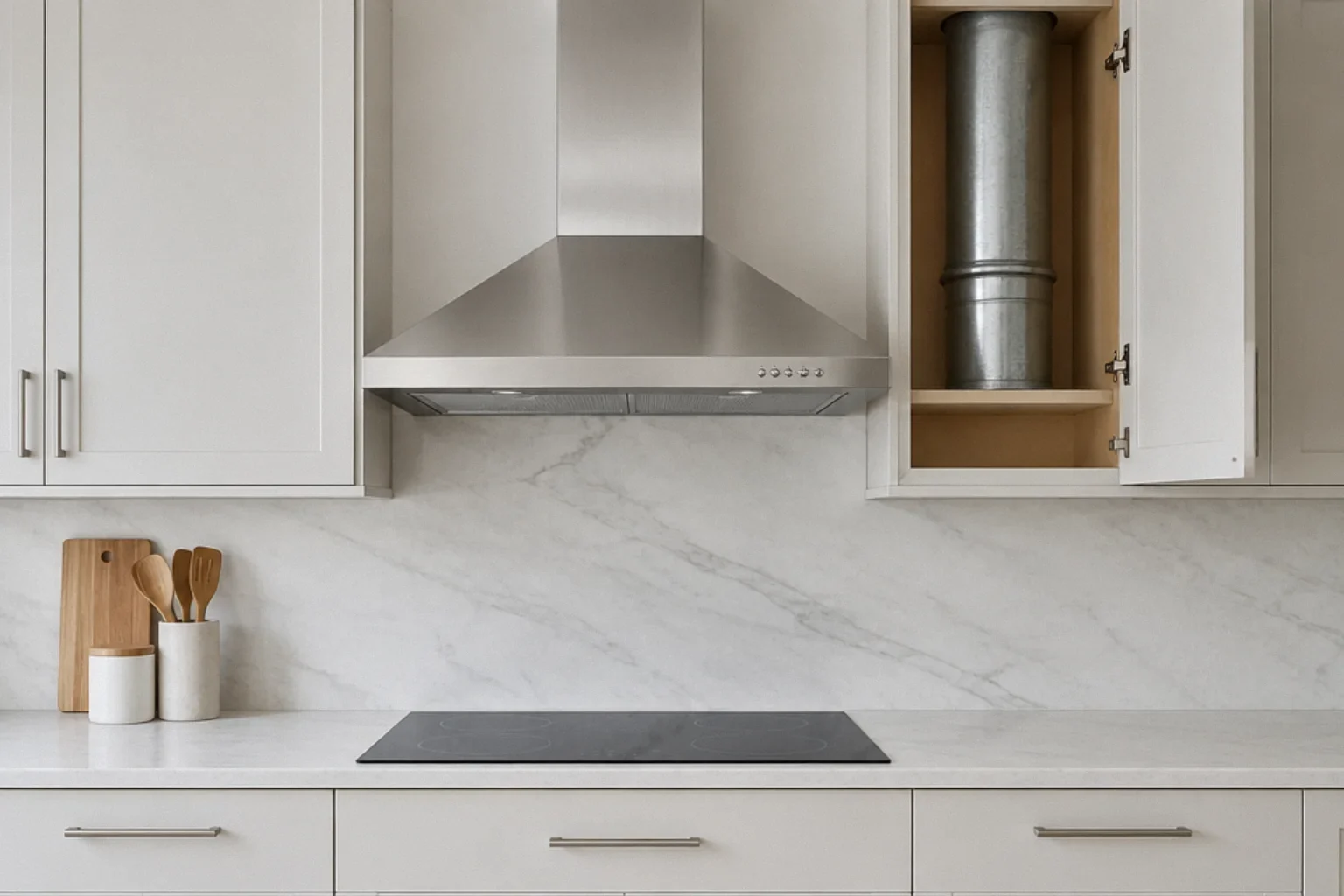
- Gas ranges and cooktops are not covered by these Air District rules. Other rules can still affect them, such as a city ordinance for certain projects.
Other rules that are not the Air District rules
- City ordinances. San Francisco adopted an all-electric requirement for qualifying major renovations effective July 2026 (SF Environment). Other cities may have their own electrification or reach-code rules with different triggers. Ask your building department what applies to your project.
- State Energy Code readiness requirements. The California Energy Commission's 2025 mandatory measures summary includes "ready" provisions, such as 240-volt circuits and reserved panel space near gas furnaces, cooktops and dryers, and space and provisions for a future heat pump water heater where gas water heaters are installed (§§ 150.0(n)1, (t), (u), (v)) (CEC 2025 mandatory measures summary). These are written for buildings subject to those sections; how they apply to an alteration depends on scope.
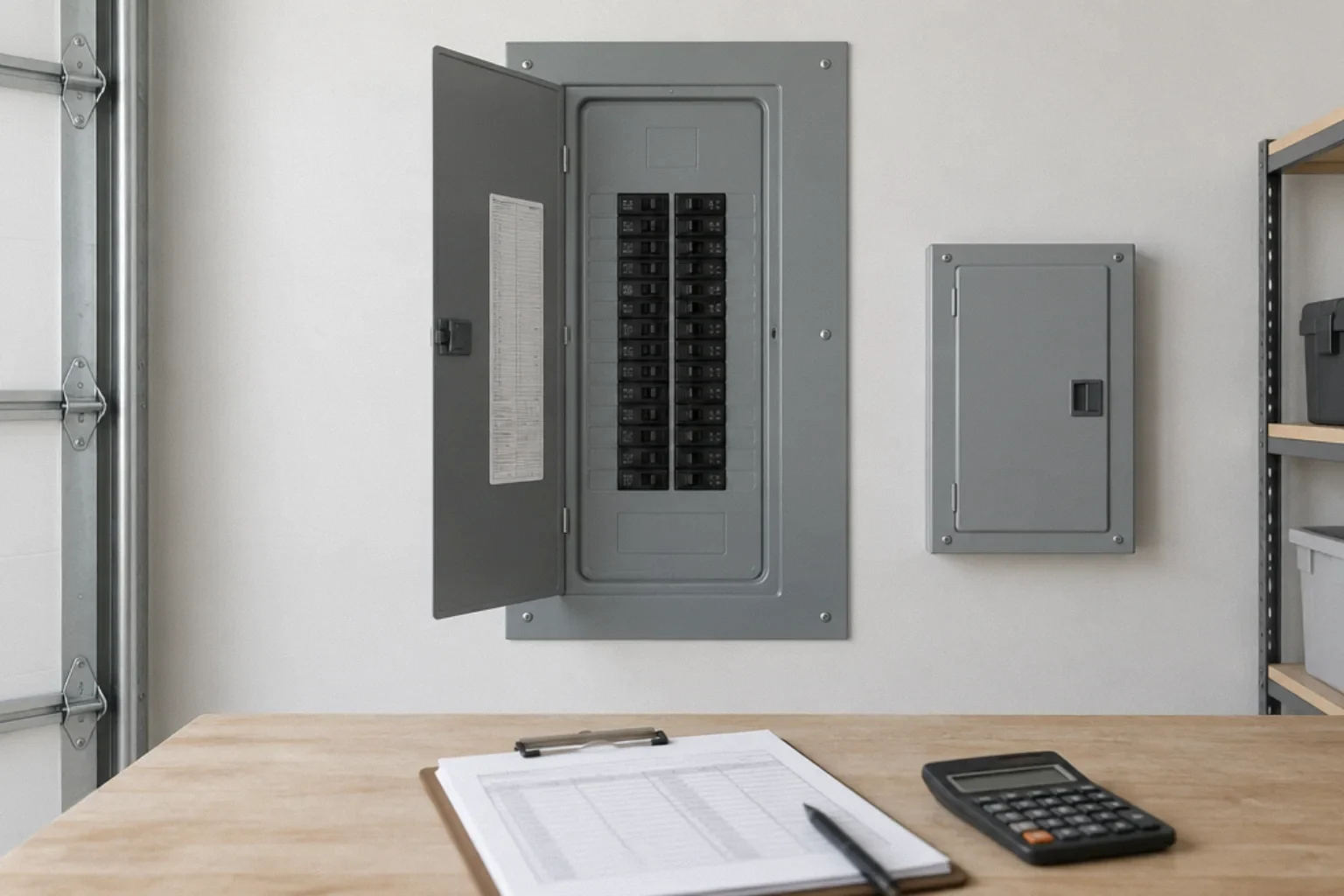
- Utility and service capacity. Adding electric loads may require a panel or service upgrade. That is a capacity question, not an Air District requirement. See panel upgrades before a remodel.
Zero-NOx does not mean any electric unit is a good choice
Because the only zero-NOx appliances currently available are electric, replacing a gas furnace or water heater after the compliance date means choosing an electric option, and those options differ a lot in operating cost. A straight electric-resistance furnace or tank converts electricity to heat one-for-one. A heat pump moves heat and can use substantially less electricity than resistance equipment; ENERGY STAR's heat pump water heater guide, for example, says heat pumps can reduce the energy used to heat water, but savings relative to gas depend on utility rates (ENERGY STAR HPWH Guide). The owner in the furnace thread above was weighing exactly this choice. Resistance equipment may be cheaper to buy and simpler to install, but the rule itself does not tell you which is the better value; your electricity rates, usage and panel capacity do.
A decision path: district, city, utility
| Question | Who answers it | What to check |
|---|---|---|
| Can I buy and install a gas water heater or furnace after the compliance date? | Air District (Rules 9-4, 9-6) | Your address is in the District; appliance class and input; current dates after the November 2026 hearing |
| Does my remodel have to be all-electric? | City or county building department | Local ordinance triggers, such as San Francisco's major renovation rule |
| Must I add circuits or readiness provisions? | Building department applying the California Energy Code | Whether the readiness sections apply to your alteration scope |
| Can my electrical service handle new loads? | Electrician and utility | Load calculation; panel space; any service upgrade and its timeline |
| Can I keep my gas range? | Air District rules do not cover it; check city rules | Local all-electric requirements for your project type |
Worked example: a 2026 kitchen and bath remodel
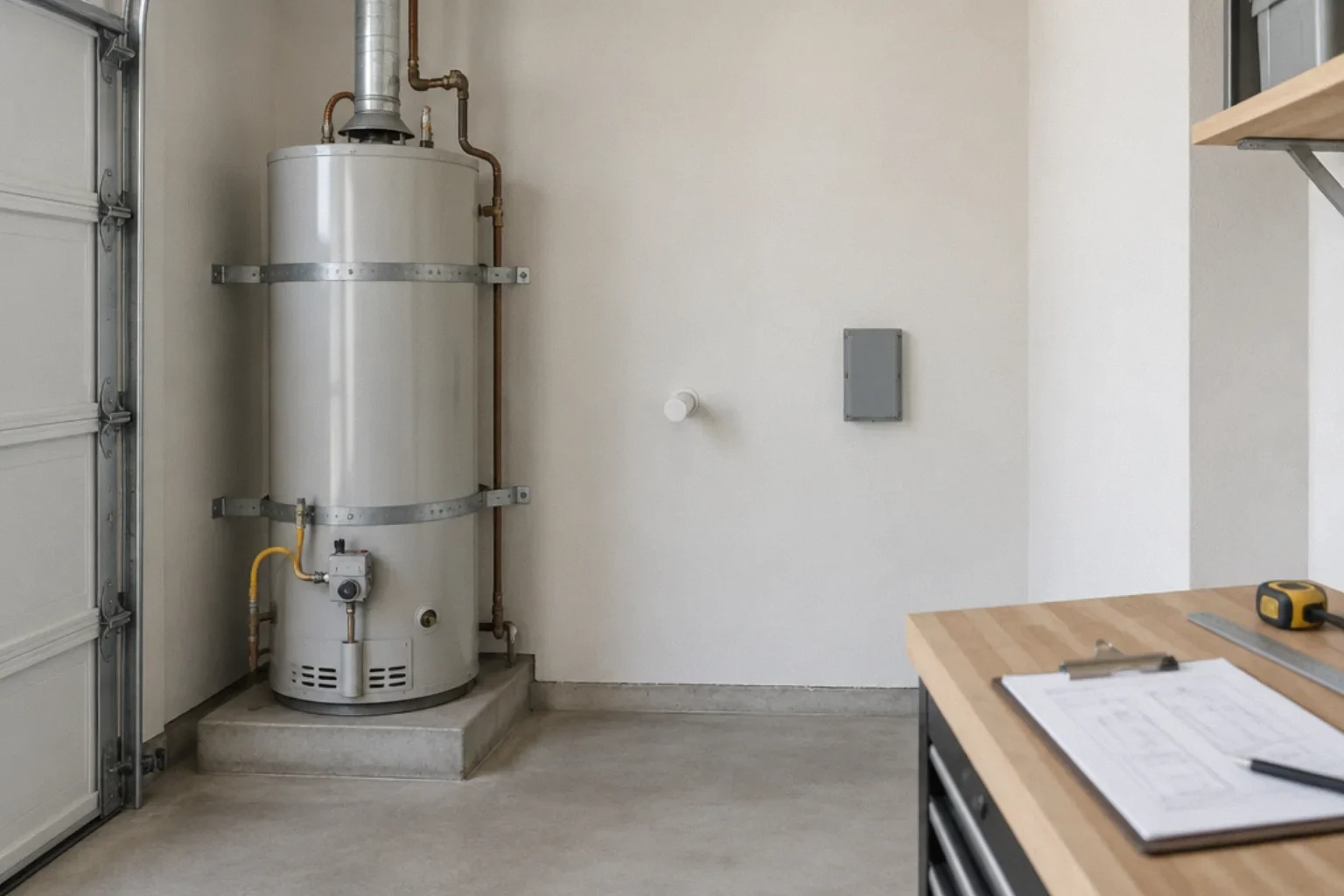
Consider a hypothetical owner in Alameda County with a 14-year-old gas tank water heater in the garage, a 20-year-old gas furnace, a gas range and 100-amp service, planning a kitchen and hall bath remodel in late 2026.
- Territory and rules. Alameda County is inside the Air District, so Rules 9-4 and 9-6 apply to future replacements. The owner notes that the small water heater date may change after the 4 November 2026 hearing and that furnaces are scheduled for 2029.
- City. The owner asks the city whether any local all-electric requirement applies to this remodel's scope. If not, keeping the gas range is a personal choice; the Air District rules do not cover cooking.
- Risk of a forced decision. The water heater is old enough that it could fail during or soon after the remodel. Rather than waiting, the owner has the electrician check panel capacity and run a circuit and the plumber rough in a condensate route in the garage while walls are open.
- Load planning. The electrician's load calculation shows the existing service can take a heat pump water heater but not also a heat pump, an induction range and an EV charger without changes. The owner decides to replace the water heater now, plan the furnace replacement for later, and ask about load management or a service upgrade before then.
- Kitchen. If keeping gas cooking for now, the owner asks whether a 240-volt readiness circuit near the range is required or advisable during the remodel.
This example is illustrative, not a recommendation for any particular house.
How to plan a remodel around these rules
- Inventory your gas appliances and their ages: water heater, furnace, range, dryer, fireplace.
- Decide which will likely be replaced in the next several years, and check the current Air District timeline for each type.
- Use open walls. Running a circuit or a condensate line while walls are open is easier than later. A remodel is a good time to prepare for a future heat pump water heater or heat pump even if you keep the gas unit for now.
- Check panel capacity early. Ask an electrician for a load calculation before finalizing appliance choices.
- Look at incentives before buying; the Air District fact sheet points to SwitchIsOn.org for incentive information.
- Confirm city rules if you are in San Francisco or another city with an electrification ordinance.
See switching to a heat pump water heater and replacing a furnace with a heat pump.
Mistakes to avoid
- Removing a working gas appliance because you believe it is already illegal.
- Assuming a gas range is banned by the Air District rules.
- Waiting until a water heater fails to learn about space, drain and circuit needs for an electric replacement.
- Treating 2027 as fixed without checking the outcome of the 2026 amendments.
- Confusing utility meter or panel requirements with Air District rules.
Checklist
- Current Air District timeline checked for water heaters and furnaces
- Gas appliance ages listed; likely replacements identified
- City electrification rules confirmed for your project
- Electrical load calculation done
- Circuit, space and drain prepared while walls are open
- Incentives checked before purchase
Questions that come up next
Will I have to remove my gas water heater in 2027?
No. The Air District's fact sheet says the rule amendments apply only to new appliances and do not mandate retrofitting existing ones. They govern what can be sold or installed after the compliance date, and the small water heater date is under review in 2026.
Is the Bay Area banning gas stoves?
Not through Rules 9-4 and 9-6. The Air District states these rule changes do not apply to gas cooking appliances. Some city ordinances, such as San Francisco's for qualifying major renovations, have broader all-electric requirements.
When do the furnace rules start?
The Air District's fact sheet lists 2029 for zero-NOx furnaces. Check the Air District's current rule page for any changes.
Is the 2027 water heater date final?
Not necessarily. The Air District says its Board will consider flexibility amendments in 2026 that could set a later deadline. As of early October 2026 a Board hearing was listed for 4 November 2026.
Should I switch to electric during my remodel even if my gas appliances work?
It is a cost and timing decision, not a requirement under these rules. Many owners at least prepare circuits, space and drains while walls are open so a later switch is easier.
Sources and further reading
- Bay Area Air District: Air District Appliance Rules fact sheet (Rules 9-4 and 9-6)
- Bay Area Air District: Rules 9-4 and 9-6 Building Appliances (rule development page)
- SF Environment: Board of Supervisors Passes Major Renovations Ordinance
- California Energy Commission: 2025 Single-Family Residential Mandatory Requirements Summary
- Bay Area Air District: History of the Air District (territory)
- U.S. EPA ENERGY STAR: Heat Pump Water Heater Guide (June 2024)
Community questions behind this guide
These discussions identify homeowner concerns. Forum comments are personal accounts, not code or legal authority.