Short answer: an ordinary remodel does not automatically reset the assessment of your whole property. Under Proposition 13, a full reappraisal of land and improvements is tied to a change in ownership, and even ownership changes have their own exclusions and partial-transfer rules. When you complete assessable new construction, the assessor generally adds the value of that new construction to your existing assessed value (State Board of Equalization). There is an important exception: a major rehabilitation that converts a building to the substantial equivalent of new can lead to reassessment of the whole affected improvement, though not of the land merely because of the work. Your existing assessed base also changes each year by the ordinary annual adjustments, independent of any remodel. Normal maintenance and repair, such as painting, new floor coverings or replacing fixtures with similar ones, is typically not new construction. Additions, conversions to a different use, and renovations that make an improvement the 'substantial equivalent of new' typically are. The permit is not what makes work taxable. The Alameda County Assessor's guidance says that when the assessor knows of new construction, whether or not it is permitted, it has a legal duty to value it (Alameda County Assessor).
This is general information current to 3 October 2026, not tax or legal advice. Assessors decide case by case.
Why owners worry about permits and taxes
In a Bay Area thread about unpermitted work, a commenter claimed permitting 'always results in higher property taxes', and another described a permitted awning that raised their annual tax by about $60. A Castro Valley owner hesitated to legalize an unpermitted bedroom and half-bath partly because they didn't know how much it would raise their taxes. These are anecdotal accounts. The worry is understandable, but avoiding permits to avoid assessment is both risky and, by the assessor's own account, not a lawful way to keep new construction off the roll.
What counts as new construction
The BOE explains that new construction includes any addition to land or improvements, including fixtures, and any alteration that is a major rehabilitation or that converts property to a different use. A major rehabilitation is work that converts an improvement or fixture to the substantial equivalent of new. Normal maintenance and repair are excluded, as interpreted in Property Tax Rule 463 (Rule 463).
| Project | Typical treatment (assessor decides) | Source example |
|---|---|---|
| Repaint, new flooring, new roof covering, replacement windows | Routine maintenance, not assessed | Alameda County: flooring, windows, roof 'will not cause your assessment to change' |
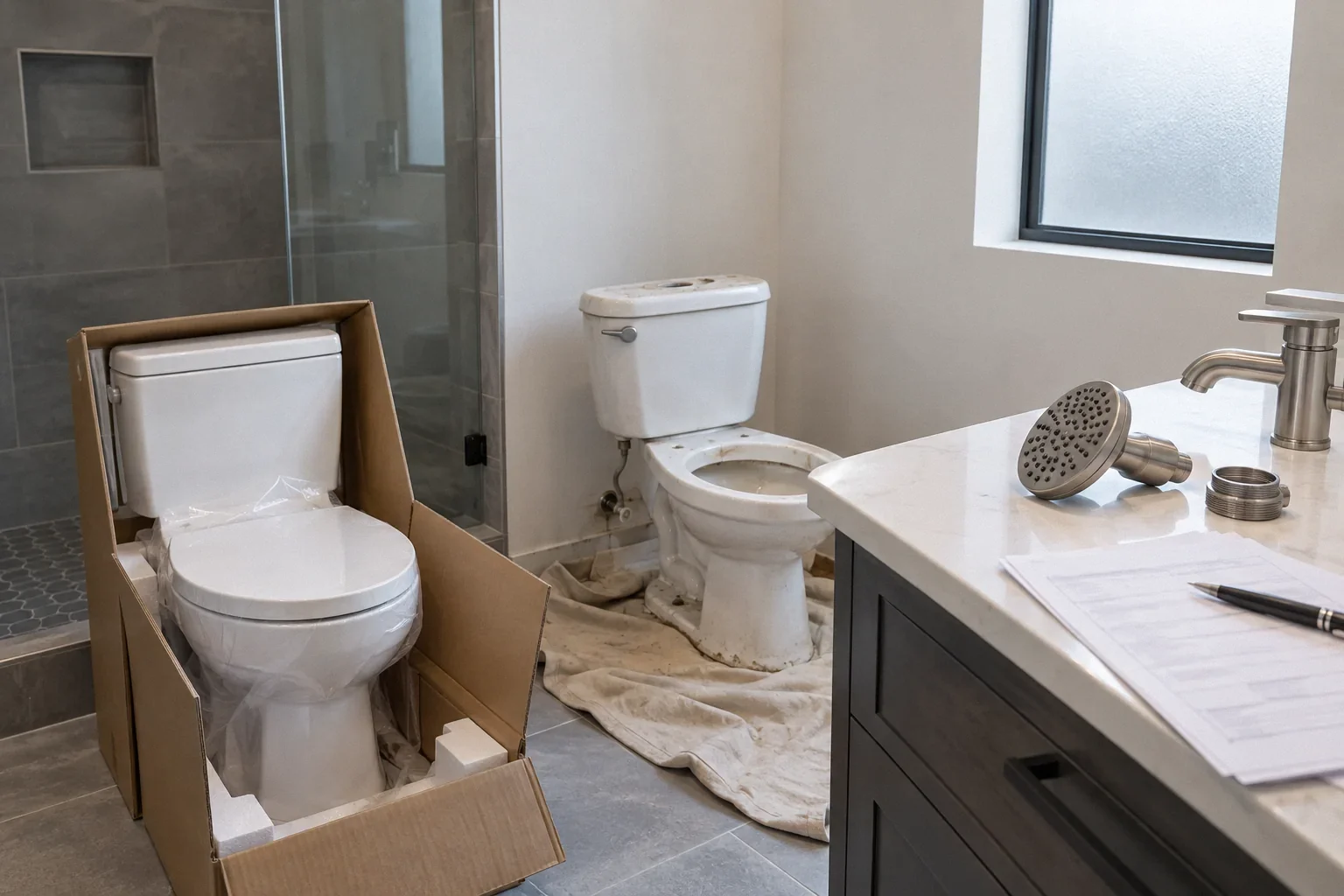
| Kitchen or bath remodel replacing what exists | Typically excluded | Alameda County guidance |
| Half-bath converted to a full bath | The difference in value could be added | Alameda County guidance |
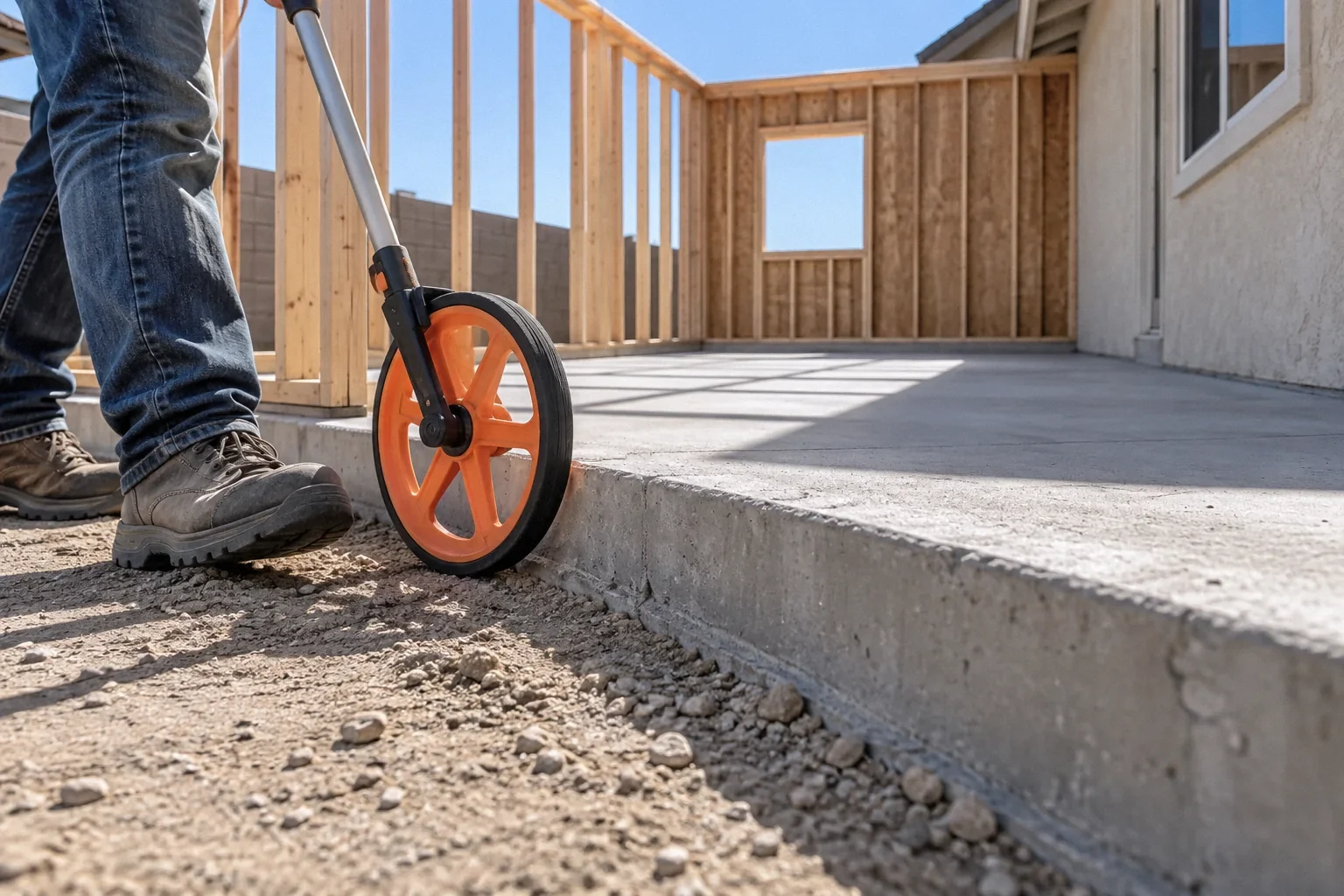
| Room addition or new square footage | Value of the addition added; rest of property not reappraised | BOE; Alameda County |
| Garage converted to living space, or other change in use | Typically new construction | BOE (conversion to a different use) |
| Whole-house gut renovation | May be assessed as 'substantially equivalent to new' | BOE |
| Qualifying seismic retrofit, accessibility, solar and some other improvements | Exclusions may apply if requirements are met | BOE list of exclusions |
How the bill changes
- Only the new construction is valued. The assessor enrolls the market value of the assessable new construction and adds it to your existing base.
- A supplemental bill generally follows completion, covering the rest of the fiscal year. The new value then joins your regular annual bill (Alameda County guidance).
- Work in progress on 1 January can be partially assessed, with an estimate of the completed portion added that year.
- The price you paid isn't necessarily the value. Alameda County notes that appraisers often use BOE cost tables, and the amount paid or the permit valuation may differ from the market value enrolled.
A worked example
Hypothetical, illustrating the method only, not a tax estimate. An owner remodels a kitchen in place, replaces windows, and converts a half-bath to a full bath by adding a shower.
- Kitchen in place: likely treated as replacing what exists, so no change.
- Windows: routine maintenance per Alameda County's guidance, so no change.
- Half-bath to full bath: the added value of the new shower may be assessed. That increment, not the whole remodel, is what gets added.
- Result: any increase would be tied to the value the assessor assigns to the bathroom conversion, not a reappraisal of the house. We can't estimate the amount; only the assessor can.
If the same owner had also added a 300-square-foot family room, the addition's value would also be added. The land and the rest of the house would still not be reappraised.
Unpermitted work and assessment
- Assessors learn about construction mainly from permit notices, but also from field appraisers, other agencies, neighbors or owners, according to Alameda County.
- Unpermitted new construction is still assessable once known. Skipping a permit does not lawfully avoid assessment.
- Legalizing old unpermitted work can bring it onto the roll if it was never assessed. Ask your assessor how they handle legalized work and its timing before you decide. See legalizing unpermitted work.
Edge cases worth asking your assessor about
- An ADU or junior ADU. A new detached ADU is new construction. A conversion of existing space can involve a change in use. Ask how your county values each.
- Like-for-like, but much better. Replacing an old kitchen with a high-end one in the same layout is usually treated as replacement, but a whole-house gut can cross into 'substantially equivalent to new'. The line is fact-specific.
- Repairs after damage. Restoring a home after a disaster may qualify for relief or exclusions under state law. Ask before assuming new value will be added.
- Exclusions that need paperwork. Some exclusions, such as certain seismic or accessibility work, may require a claim form. Missing it can mean losing the benefit.
- Work spanning 1 January. Partially completed work on the lien date may be partially assessed that year.
Practical steps
- Before you build, call or check your county assessor's guidance with your specific scope. Assessors decide case by case.
- Keep records of what was replaced versus added, with photos, invoices and before-and-after floor plans. They help if you question an assessment.
- Check for exclusions, such as seismic retrofits or accessibility modifications. Some need a claim form filed with the assessor.
- Act promptly on notices. When a supplemental assessment notice or bill arrives, check it right away and ask your county assessor or assessment appeals board for the review and appeal deadline that applies. Appeal windows can be short, so don't wait for the next annual bill.
Bay Area applicability
Each Bay Area county has its own assessor: San Francisco, San Mateo, Santa Clara, Alameda, Contra Costa, Marin and others. They apply the same state law with their own procedures and guidance pages. The Alameda County guidance quoted here dates from 2019. Check your own county's current guidance and contact the assessor with specific questions.
Current to 3 October 2026.
Questions that come up next
Does pulling a permit raise my property taxes in California?
Not by itself. What can raise taxes is assessable new construction, such as additions, conversions or substantial rehabilitation, whether or not it was permitted. Permits are one way assessors learn about work.
Will a kitchen or bathroom remodel be reassessed?
Replacing what already exists is typically excluded. Adding something, such as converting a half-bath to a full bath, may add the difference in value. The assessor decides case by case.
Does a remodel trigger reappraisal of my whole house?
An ordinary remodel doesn't automatically reset your whole assessment; assessable new construction generally adds its value to your existing base. A major rehabilitation that makes a building substantially equivalent to new can lead to reassessment of that whole improvement, though not the land merely because of the work. Full reappraisal of land and improvements is tied to changes in ownership, which have their own rules and exclusions.
Will replacing windows or my roof increase my assessment?
Alameda County's assessor guidance treats flooring, windows and roof replacement as routine maintenance that will not change the assessment. Check your county for its guidance.
Sources and further reading
Community questions behind this guide
These discussions identify homeowner concerns. Forum comments are personal accounts, not code or legal authority.