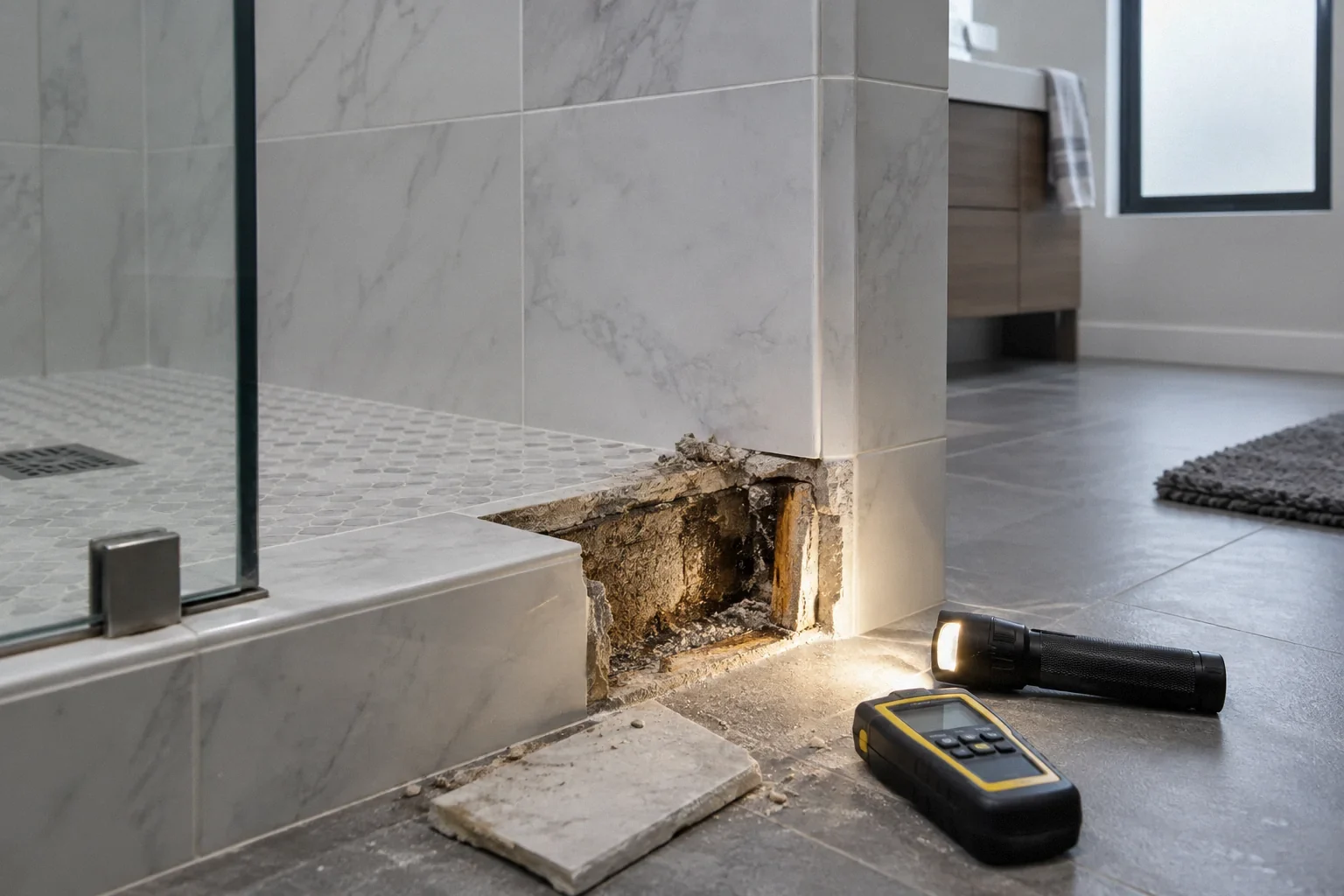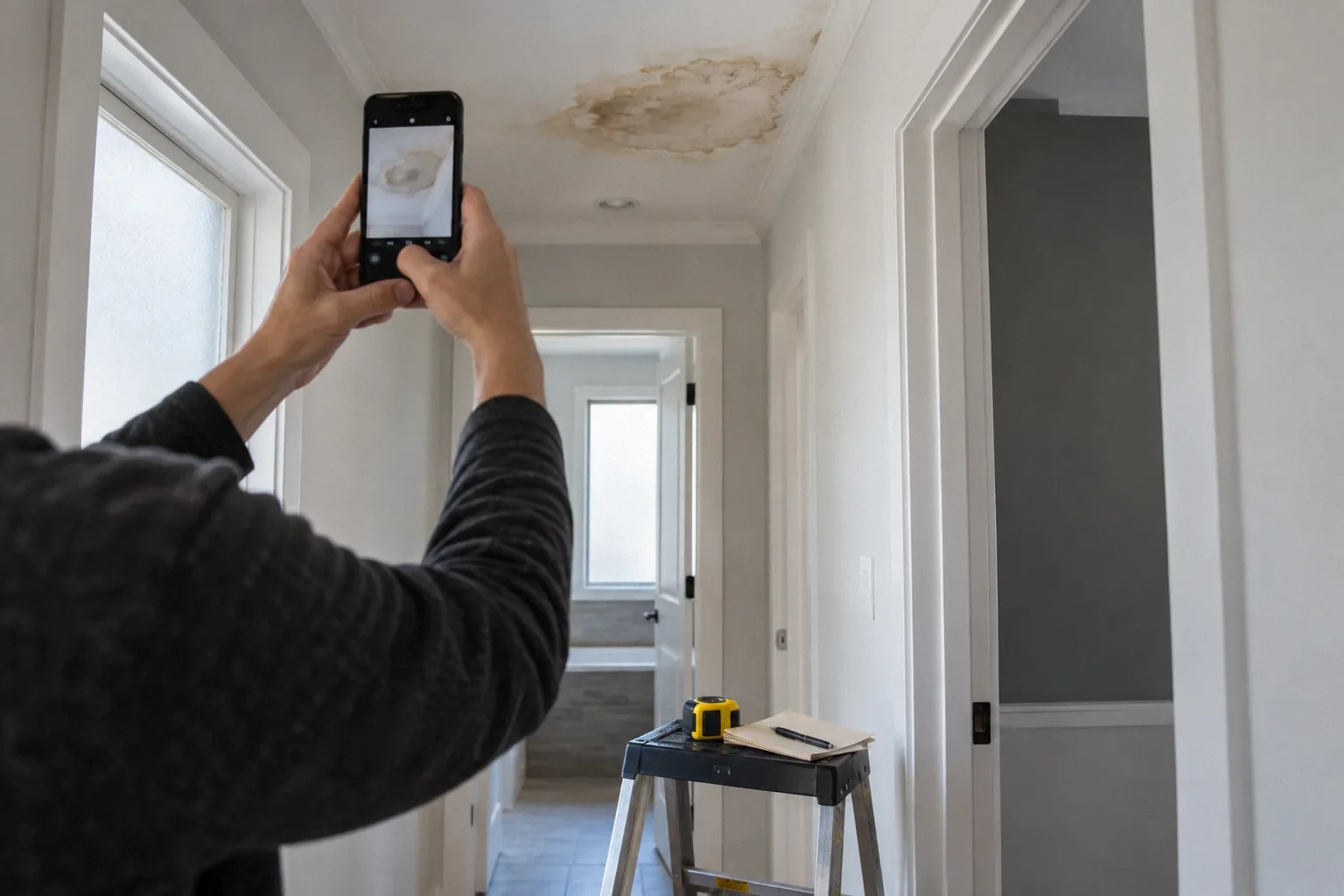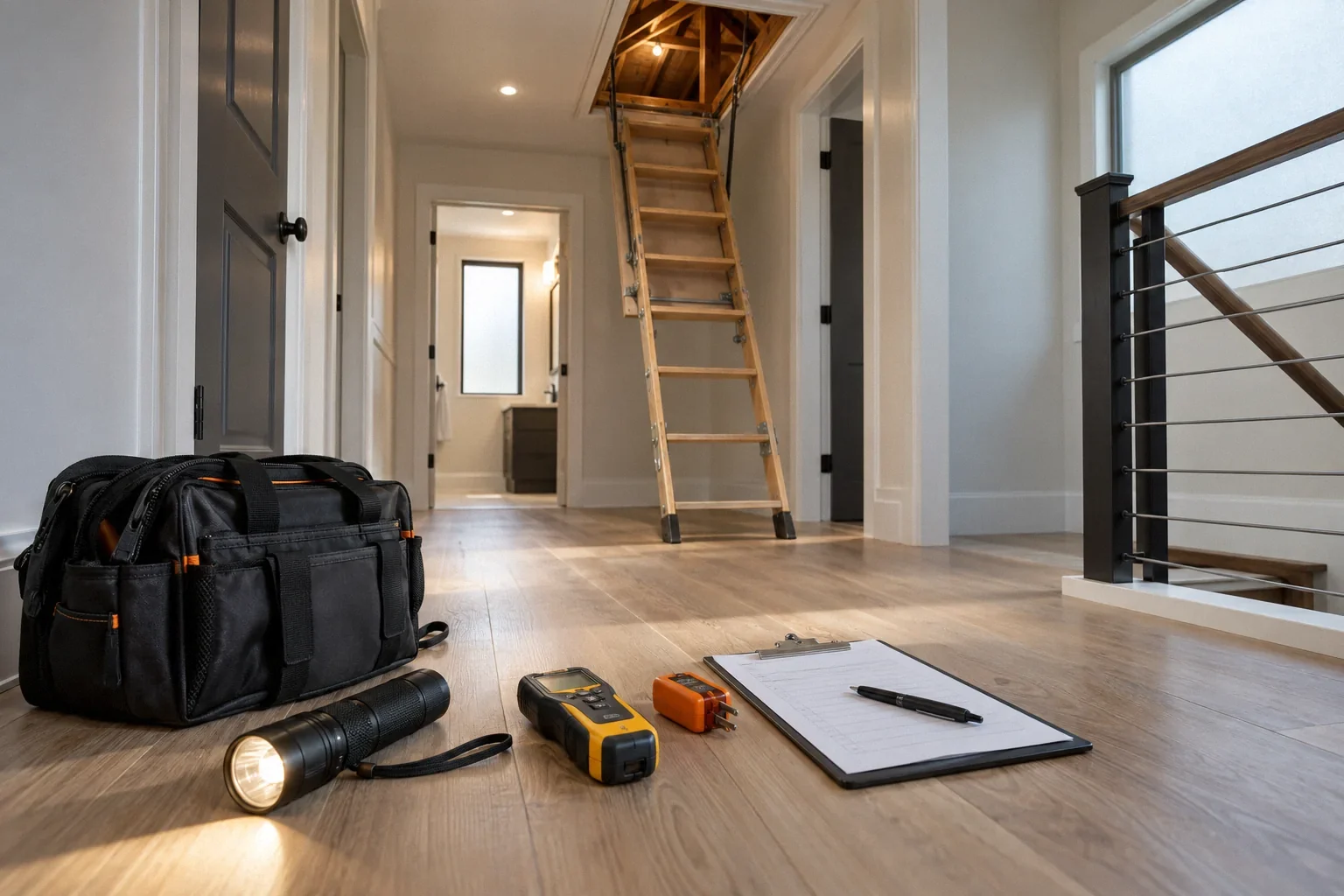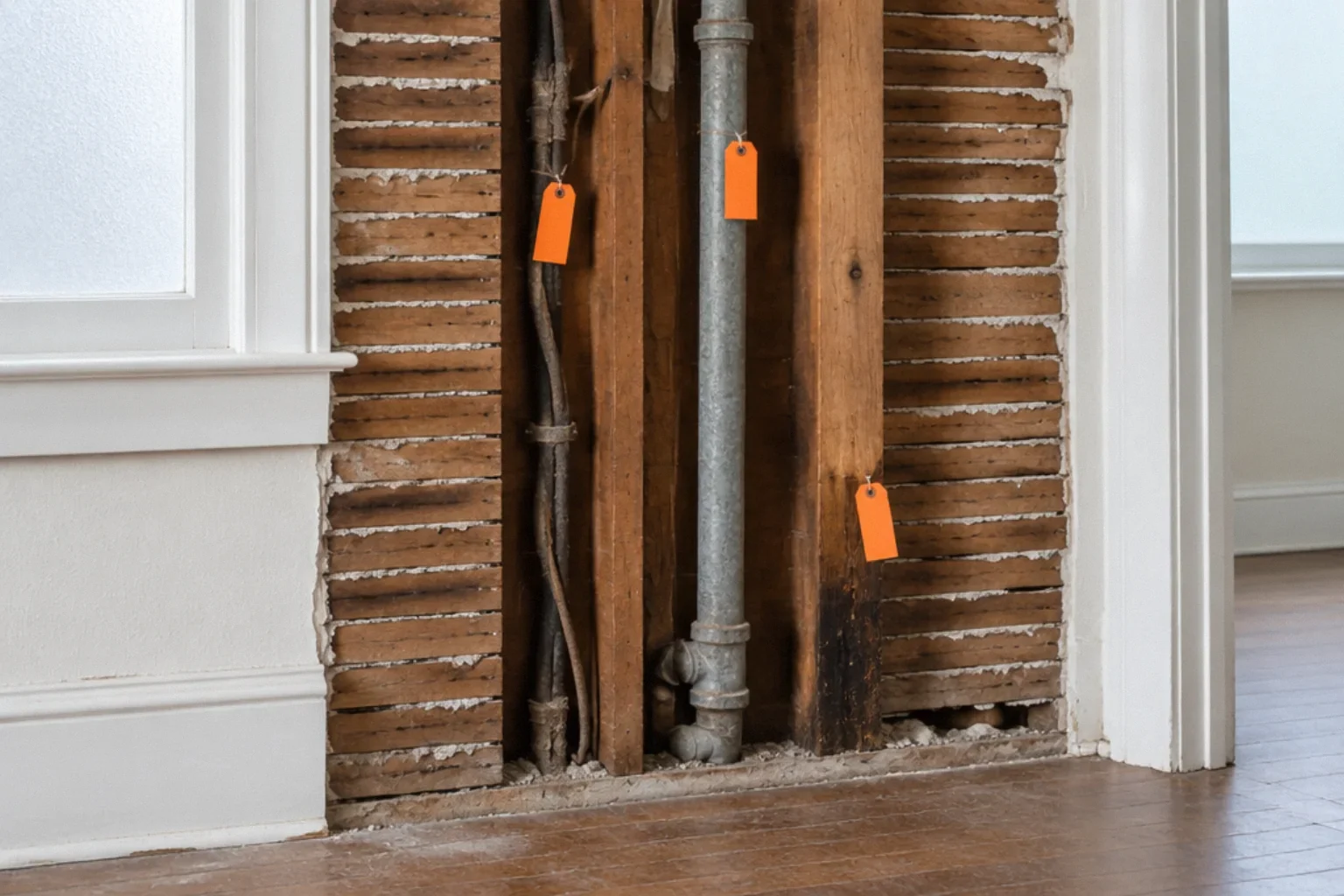
Short answer: when walls, floors or ceilings come open in an older house, common categories of discovery include outdated or damaged wiring, aging supply or drain pipes, water damage and rot, missing or degraded insulation, framing altered by past remodels, and materials that may contain lead paint or asbestos. You cannot know in advance exactly what you will find, but you can reduce surprises: test suspect materials before demolition, ask for exploratory openings where they would change the design, write a concealed-conditions process into the contract, and set aside a contingency. When something turns up, document it, get the right professional to assess it, and approve any added work in a signed change order before it starts.
This is general information verified on 3 October 2026.
What owners report
A family that remodeled the kitchen of an older house wrote that once you start opening up walls, you start finding problems, and they did. Another owner explained that layers of old lacquer ruled out refinishing a wood ceiling and that they needed room for electrical and insulation under the roof. In a thread of advice for owners of older homes, commenters warned that knob-and-tube wiring may remain in remote areas even after a panel upgrade, that asbestos and lead paint can be present in materials of that era, and that adding insulation without understanding the wall can trap moisture. A family renovating a 100-year-old house wrote that they did not test for lead or asbestos before demolition and saw dust everywhere. An owner with a fixed-price contract was billed for change orders they had not signed. Forum accounts are anecdotal; together they map the categories below.
Before demolition: reduce the unknowns
- Test suspect materials first. The U.S. EPA advises that a trained and accredited asbestos professional take samples before remodeling, because materials cannot be identified by appearance, and that removal be done only by trained, accredited professionals (EPA: protect your family from asbestos). For homes built before 1978, EPA's Renovation, Repair and Painting rule requires firms doing covered paint-disturbing work for compensation to be certified and use lead-safe practices (EPA: RRP program rules). See asbestos testing and lead-safe renovation.
- Have a professional look where they can without demolition. Attics, crawlspaces, the electrical panel and visible plumbing often reveal the house's systems. These should be examined by a qualified inspector, electrician or contractor; owners should not remove panel covers or enter unsafe spaces.
- Have a qualified crew make small exploratory openings where a finding would change the design, such as a wall you plan to remove or a floor where a drain must move, after hazardous-material testing and checks for utilities in the wall or floor. Treat these openings as regulated work where your building department requires it.
- Pull permit history to see what was done legally before.
- Write a concealed-conditions process into the contract: how discoveries will be reported, documented, priced and approved.
- Set a contingency appropriate to the house's age and condition; see contingency planning.
Common categories of discovery
| Category | Examples | Who assesses | Typical decision |
|---|---|---|---|
| Electrical | Old wiring types, damaged insulation, overloaded or amateur splices, missing grounding | Licensed electrician | Replace within the remodeled area; evaluate beyond it |
| Plumbing | Aging supply pipes, corroded drains, improper venting, past leaks | Licensed plumber | Replace accessible runs while open |
| Water damage and rot | Soft framing near tubs, windows, exterior walls; stains; mold | Contractor; engineer if structural; mold professional if extensive | Find and fix the source, then repair damage |
| Structure | Cut or notched joists, missing headers, undersized beams from past work | Licensed engineer | Engineered repair; permit revision |
| Insulation and air sealing | None, settled or damaged insulation | Contractor; energy consultant | Add per Energy Code where required, with moisture in mind |
| Hazardous materials | Suspect asbestos, lead paint | Accredited asbestos professional; certified lead professionals | Stop disturbance; test; abate or manage as advised |
| Past unpermitted work | Undocumented wiring, plumbing or framing changes | Contractor; building department | Correct within scope; legalization may be required |
When something turns up
- Address urgent hazards first. If there is imminent danger, such as structural movement, a gas smell or exposed live wiring that cannot be made safe, get people out and call emergency services or the utility. For an active leak, damaged energized wiring or a structural concern, keep people away and get prompt professional help without waiting for pricing paperwork.
- Stop work on that element and, for suspected hazardous materials, stop dust-generating work until assessed.
- Document with photos, measurements and dates before anything is changed.
- Get the right professional to assess and recommend.
- Decide among repair now, redesign, or defer if safe and allowed.
- Check scope before calling it extra. First confirm whether the work is already in the existing contract scope or was caused by the contractor; neither automatically becomes an owner-paid change. For genuinely added work, under BPC § 7159 extra work becomes part of the contract once a written change order is signed before the changed work begins, stating scope, price and schedule effect. See change orders.
- Update permits if the change affects permitted work.
Mold and moisture
Finding mold means finding a moisture source. Fix the source first and follow appropriate remediation guidance for the extent and location; for larger or uncertain situations, get a qualified professional. Do not close walls over wet framing. See mold found when opening a wall.
Walkthrough (hypothetical)
A 1920s bungalow is getting a bathroom and kitchen remodel. Before demolition, the owner has suspect flooring and wall texture sampled by an accredited asbestos consultant and confirms the contractor is RRP-certified for painted trim. The contract includes a concealed-conditions clause and a contingency. When walls open, the electrician finds old wiring feeding the kitchen and a bedroom beyond the scope; the plumber finds a corroded drain section; and the carpenter finds a joist notched deeply by a past plumber. Work on each element pauses. In this example, assume none of these items was in the original scope and all are pre-existing. The electrician prices rewiring the kitchen circuit and recommends evaluating the bedroom; the plumber prices replacing the accessible drain; an engineer specifies a joist repair. Each becomes a written change order before work proceeds, and the permit is revised for the structural repair.
Keep a discovery log
A simple shared log prevents later disputes. For each discovery, record:
| Field | Example entry |
|---|---|
| Date and location | Day 6, kitchen north wall, 2 ft from corner |
| What was found | Notched joist under former sink location |
| Photos | Three photos with tape for scale |
| In original scope? | No (joist repair not in contract) |
| Cause | Pre-existing; past plumbing work |
| Assessed by | Structural engineer, letter dated |
| Decision | Repair per engineer's detail |
| Change order | CO #3, signed before work, price and days added |
| Permit/inspection | Permit revised; framing re-inspected |
The log also helps if you later sell the house and need to describe what was found and repaired.
Mistakes to avoid
- Demolishing before testing suspect materials.
- Letting work continue on a discovery before it is assessed and priced.
- Covering water damage without fixing the source.
- Approving extras verbally.
- Assuming every discovery is automatically the owner's cost, or the contractor's.
- Having no contingency in an older house.
Checklist
- Suspect materials tested before demolition
- Contractor certifications confirmed for pre-1978 paint work
- Exploratory openings where findings would change design
- Permit history pulled
- Concealed-conditions process in the contract; contingency set
- Discoveries documented, assessed, priced and approved in writing
- Permits revised when scope changes
- Moisture sources fixed before closing walls
Questions that come up next
What problems are commonly found when opening walls in old houses?
Categories include outdated or damaged wiring, aging plumbing, water damage and rot, missing insulation, framing altered by past work, and materials that may contain lead paint or asbestos. Each needs assessment by the appropriate professional.
Should I test for asbestos and lead before demolition?
The EPA advises having a trained, accredited professional sample suspect materials before remodeling. For pre-1978 homes, EPA's RRP rule requires certified firms and lead-safe practices for covered paint-disturbing work done for compensation.
Who pays for problems found behind walls?
It depends on the contract and cause. Work already in scope, or damage the contractor caused, is not automatically an owner-paid change. Genuinely added work for pre-existing hidden conditions is often handled as an owner-approved change, in a written change order signed before it starts.
How can I reduce surprises before demolition?
Have suspect materials tested, have a qualified professional examine attics, crawlspaces and the electrical panel, have a qualified crew make small exploratory openings where findings would change the design, pull permit history, and put a concealed-conditions process and contingency in the contract.
What if the problem is outside my remodel scope?
Document it and get a professional's assessment. Some conditions can be safely deferred; unsafe ones, such as damaged wiring or active leaks, should be addressed. Decide with your contractor and record any added work in a change order.
Sources and further reading
Community questions behind this guide
These discussions identify homeowner concerns. Forum comments are personal accounts, not code or legal authority.