Short answer: for a rental, choose finishes that tolerate normal wear, are easy to clean and repair, and use parts you can replace quickly, and plan the work around your legal duties to tenants. Separate what you must do to keep the unit habitable from elective upgrades, follow the legal process for entering or temporarily vacating an occupied unit, and get the permits your building type requires. In buildings constructed before 1978, lead-safe rules apply to paint-disturbing work, including work landlords do themselves. Rules vary by city, especially where local rent ordinances apply, so check with your city and an attorney before remodeling an occupied unit.
This is general information verified on 3 October 2026, not legal advice.
What owners discuss
An investor shared a rental kitchen remodel using relatively inexpensive in-stock hickory cabinets with a higher-end quartz, designed as if they would live there for a few years; their one regret was a cabinet height that left the hood high. A California tenant asked whether replacing a sealed smoke alarm was their responsibility, and replies, including a property manager, described landlord duties. A Los Angeles property manager asked how to buy smoke and CO alarms in bulk for more than 200 units. Forum accounts are anecdotal; they show how design, durability and legal duties mix in rentals.
Required repairs versus elective upgrades
California's habitability statute lists conditions that make a dwelling untenantable, covering waterproofing and weather protection, plumbing and gas, hot and cold water, heating, electrical, sanitation, garbage receptacles, and floors, stairways and railings in good repair (Civil Code § 1941.1). As currently written, it also addresses a working stove and refrigerator for leases entered into, amended or extended on or after 1 January 2026; the refrigerator provisions include a voluntary tenant opt-out that cannot be made a condition of tenancy and a process for a tenant to later ask the landlord to provide one. Read the statute for the exact terms. In planning terms, repairs that keep these conditions met are not optional and should be scheduled promptly; finish upgrades are elective and can be timed for vacancy.
Design for the rental life cycle
| Element | Rental-minded choice | Planning note |
|---|---|---|
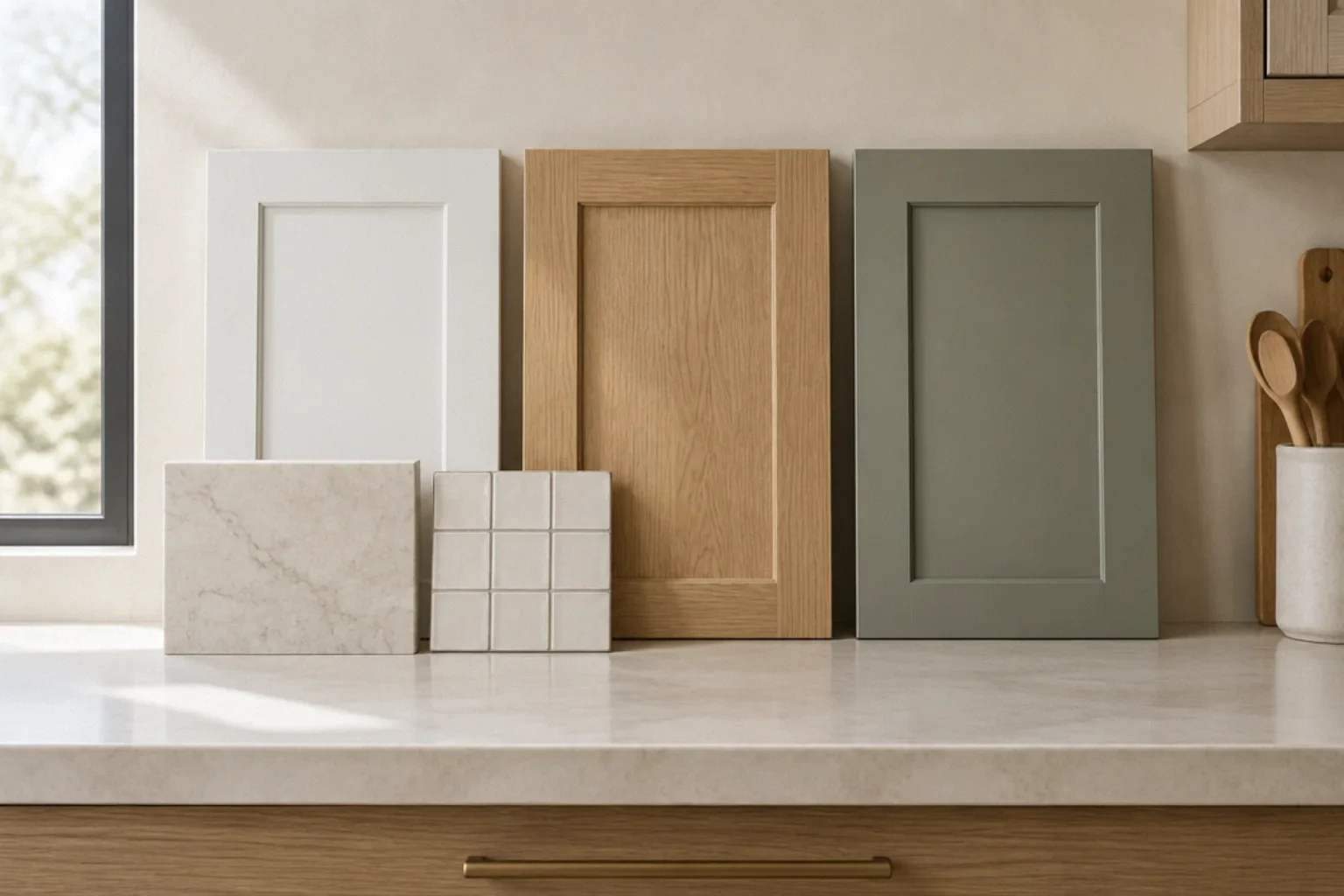
| Flooring | Durable, water-resistant, repairable; buy extra boxes | Products get discontinued and lots vary, so keep spares from the original lot for patch repairs |
| Countertops | Durable surface with simple care | Leave a care sheet; avoid finishes that depend on regular sealing tenants may not do |
| Cabinets | Solid boxes and hardware over decorative doors; standard sizes | Hinges and slides take the abuse |
| Fixtures | One widely available model with replaceable cartridges across units | Fewer parts to stock; faster repairs |
| Paint | Washable finish; documented colors | Easier touch-ups between tenants |
| Appliances | Reliable, serviceable models | Plan for the 2026+ stove and refrigerator provisions |
| Bathroom | Exhaust fan with humidity control; robust waterproofing | Moisture damage is costly and hard to see in occupied units |
| Condo units | Check association rules | Many associations regulate hard flooring and sound underlayment, plus work hours |
Manufacturer instructions matter for warranties; Mohawk's vinyl instructions state that installation must follow them so as not to void warranties (Mohawk SolidTech installation instructions). For engineered quartz, Caesarstone's care tips advise trivets and cutting boards and avoiding harsh chemicals (Caesarstone care tips). Note that normal wear and tear is generally not chargeable to tenants; durable choices reduce turnover costs you would otherwise absorb.
Working in an occupied unit: process, not pressure
- Entry. Entering a tenant's unit for repairs or improvements requires following California Civil Code § 1954, including its notice rules and exceptions, and applicable lease terms; it is not a matter of the landlord's convenience.
- Temporary relocation. Some cities regulate temporary displacement for remodeling. San Francisco's Rent Board, for example, describes temporary evictions for capital improvements: permits must be obtained before the notice is served, notices must be filed with the Rent Board, tenants have a right to reoccupy at the prior rent plus allowable increases, and relocation payments are due for longer displacements, with additional amounts for certain households (SF Rent Board: Temporary Eviction for Capital Improvements). Other cities differ, and some have no comparable rules.
- Wanting cosmetic upgrades does not by itself authorize forcing a vacancy. Where local rules allow temporary relocation, they set strict conditions. Get legal advice before serving any notice.
- Safety devices. Landlords have smoke and carbon monoxide alarm duties under state and local law, and permits can trigger alarm requirements; see smoke and CO alarm requirements and confirm the requirements with your building or fire department.
Lead-safe work in older rentals
EPA's Renovation, Repair and Painting rule covers renovation that disturbs paint in housing built before 1978 and requires certified firms and lead-safe practices for covered work (EPA: RRP program rules). A landlord performing paint-disturbing work in their own rental is not exempt simply because no outside contractor is paid; check EPA's guidance on who must be certified before your crew starts. See lead-safe renovation rules.
Permits
Rentals need permits for permitted work, and what is required depends on building type (single-family, duplex, multifamily), occupancy and local rules, which can add requirements beyond those for an owner-occupied house. When you hire a licensed contractor, the contractor should pull the permits for the work they perform. See when a Bay Area remodel needs a permit.
A maintenance-first plan
- Inspect and list habitability items, known leaks, failing fixtures and safety devices.
- Schedule required repairs promptly, whether or not you remodel.
- Group elective upgrades for vacancy, using a standard specification for all units.
- Record products: flooring lot numbers, paint colors, fixture models, appliance models and warranty dates.
- Keep spares of flooring, tile and cabinet hardware.
- Leave care sheets for tenants.
Walkthrough (hypothetical)
A small landlord owns a 1960s duplex with one occupied and one vacant unit. In the vacant unit, they hire a licensed contractor who pulls permits, hire an RRP-certified firm for paint-disturbing work because the building predates 1978, install a water-resistant floating floor and keep two spare boxes from the same lot, use one faucet model across both units, and add a humidity-controlled bath fan. In the occupied unit, a leaking supply line under the sink is a required repair, scheduled promptly with proper notice; the cosmetic kitchen refresh waits for the next vacancy. They record products and plan to provide a working stove and refrigerator under the 2026 provisions for the next lease.
Mistakes to avoid
- Treating required repairs as optional upgrades to schedule later.
- Entering or displacing tenants without following legal process.
- Disturbing old paint without RRP compliance, including with your own crew.
- Not keeping spare flooring from the same lot.
- Ignoring condo association flooring and sound rules.
- Charging tenants for normal wear and tear.
Checklist
- Habitability items inspected and required repairs scheduled
- Stove and refrigerator provisions reviewed for 2026+ leases
- Entry notices and any relocation handled under state and local law
- RRP compliance for pre-1978 buildings
- Permits for your building type; contractor pulls permits for their work
- Standard specification and spare materials kept
- Care sheets for tenants
- Scope in the contract (BPC § 7159)
Questions that come up next
What finishes hold up best in a rental?
Durable, easy-to-clean, repairable finishes you can buy again: water-resistant flooring with spare boxes from the same lot, solid cabinet boxes and hardware, simple-care countertops, and one fixture model across units.
Do California landlords have to provide a stove and refrigerator?
Civil Code § 1941.1, as currently written, addresses a working stove and refrigerator for leases entered into, amended or extended on or after 1 January 2026, with refrigerator provisions that include a voluntary tenant opt-out. Read the statute or consult an attorney for your lease.
Can I make tenants move out for a remodel?
Only within state and local law. Some cities, such as San Francisco, allow temporary displacement for capital improvements under strict conditions, including permits before notice, filing with the Rent Board, relocation payments and a right to return. Get legal advice first.
Does the lead RRP rule apply to work I do myself in my rental?
EPA's RRP rule covers paint-disturbing renovation in pre-1978 housing. A landlord's own work in a rental is not exempt merely because no outside contractor is paid; check EPA guidance on certification before starting.
Are rental permit requirements the same as for my own house?
Not always. They depend on building type, occupancy and local rules. Ask your building department, and have your licensed contractor pull permits for the work they perform.
Sources and further reading
- California Civil Code § 1941.1 (untenantable dwelling conditions)
- San Francisco Rent Board: Temporary Eviction for Capital Improvements
- U.S. EPA: Lead Renovation, Repair and Painting Program Rules
- Mohawk SolidTech Uniclic Installation Instructions
- Caesarstone US: 4 Tips to Maintain Your Caesarstone Countertops
- California Business and Professions Code § 7159
- California Civil Code § 1954: landlord entry
Community questions behind this guide
These discussions identify homeowner concerns. Forum comments are personal accounts, not code or legal authority.